

Jan 13, 2026
Ben Josef Group Refines Biscayne Shores Plans
Traded Media

Traded Editorial
Key Points
- Expanded Workforce Focus: Plans now include 206 workforce units (up from 70), targeting households up to 120% AMI, tapping into a $1.8T national opportunity for affordable multifamily investments.
- Mixed-Use Efficiency: 550 total residences across two towers with 20,000 sq ft retail and ample parking, designed to maximize rental yields in a supply-constrained market.
- Prime Miami Positioning: Vacant 4-acre site in Miami-Dade, poised for growth amid Sun Belt demand and projected 3% annual rent increases through 2030.
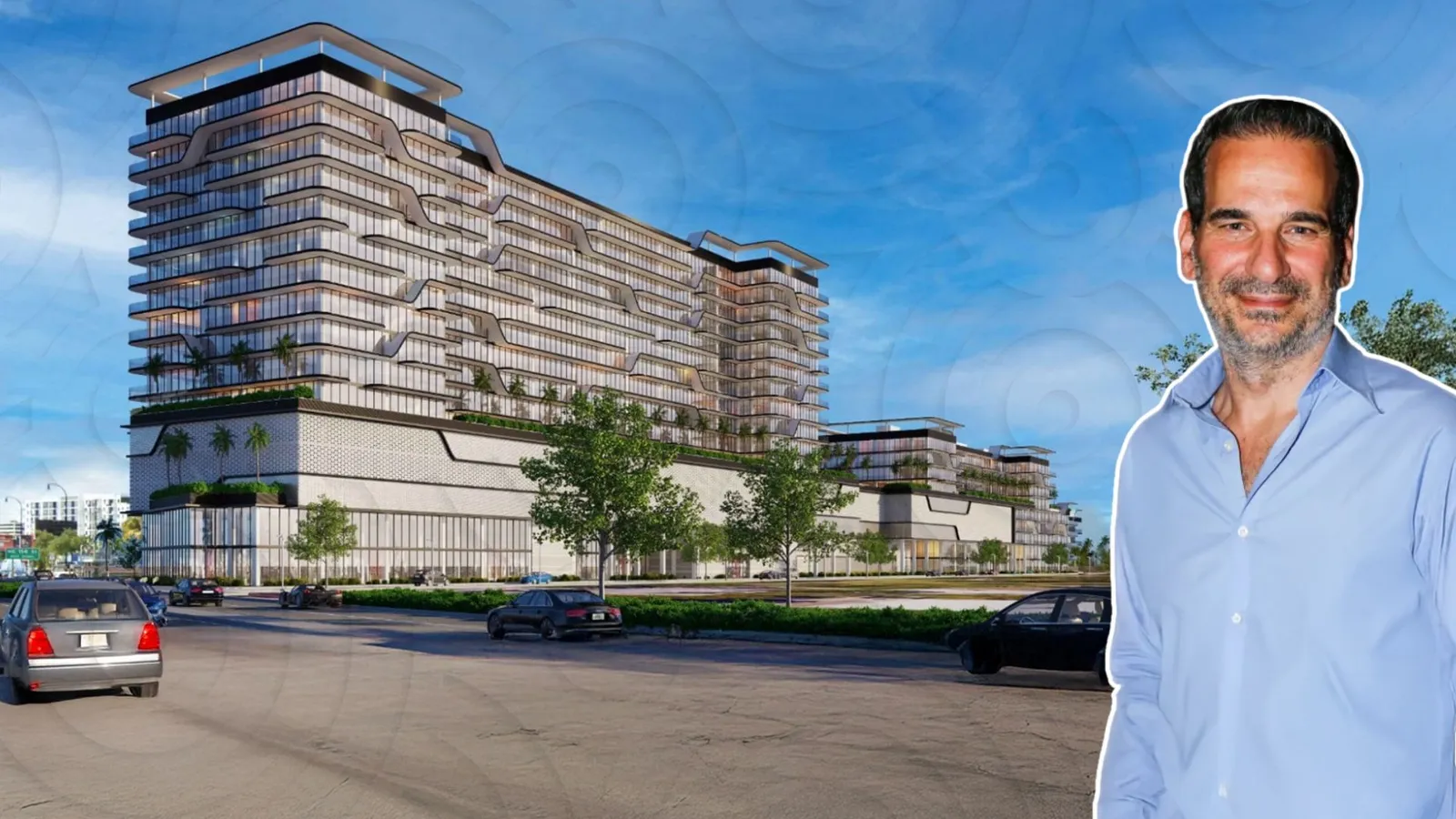
New York-based Ben Josef Group Holdings has refined its vision for Biscayne Shores, a mixed-use high-rise project in Miami that blends market-rate and workforce housing. This update aligns with South Florida's robust multifamily sector, where selective developments are prioritizing affordability and amenities to drive occupancy and returns.
Project Details
Set at 11400 Biscayne Blvd in Miami-Dade County, the development spans a 4-acre vacant site and features two buildings—a 15-story tower reaching 127 feet and an 11-story companion—on a shared podium. It offers 550 units, including studios to three-bedrooms, with 344 market-rate and 206 workforce homes for incomes up to 120% of the $87,200 area median. Amenities include a swimming pool, 520 parking spaces, 292 bike spots, and ground-floor retail totaling 20,000 sq ft, enhancing tenant retention in a competitive market. Kobi Karp Architecture leads the design, ensuring a modern, functional layout.
Key Plan Revisions
Compared to the September 2024 proposal of 561 units (including just 70 workforce), the new iteration trims to 550 while boosting workforce allocation to 206 units. This shift reflects developer adaptability to regulatory incentives and market needs, potentially unlocking tax credits or financing perks for investors.
Miami Market Context
Miami ranks among top U.S. markets for 2026 real estate prospects, fueled by Sun Belt migration and steady demand despite moderating rent growth. Workforce housing emerges as a standout asset class, with Class B/C multifamily expected to outperform amid affordability gaps. Developers are focusing on acquisitions and value-add plays, with inventory trends supporting 4-5% supply growth in key areas like Miami.
Why This Matters for Investors / Landlords
For landlords, Biscayne Shores represents a balanced portfolio addition: the workforce component mitigates vacancy risks through stable, income-qualified tenants, while market-rate units capture premium rents in a market forecasting 3.1% annual growth. Retail integration adds diversified income streams, and the site's boom-time vacancy highlights untapped potential for appreciation. Investors should note incentives for affordable housing, positioning this as a resilient play against economic shifts.
In a selective 2026 landscape, Biscayne Shores underscores the value of adaptive, mixed-income strategies in Miami—offering landlords a blueprint for sustainable yields amid evolving renter demands.