

Jul 9, 2026
Bartlett Crossing Phase Two Breaks Ground in Brooklyn, Part of a $71.5M Development
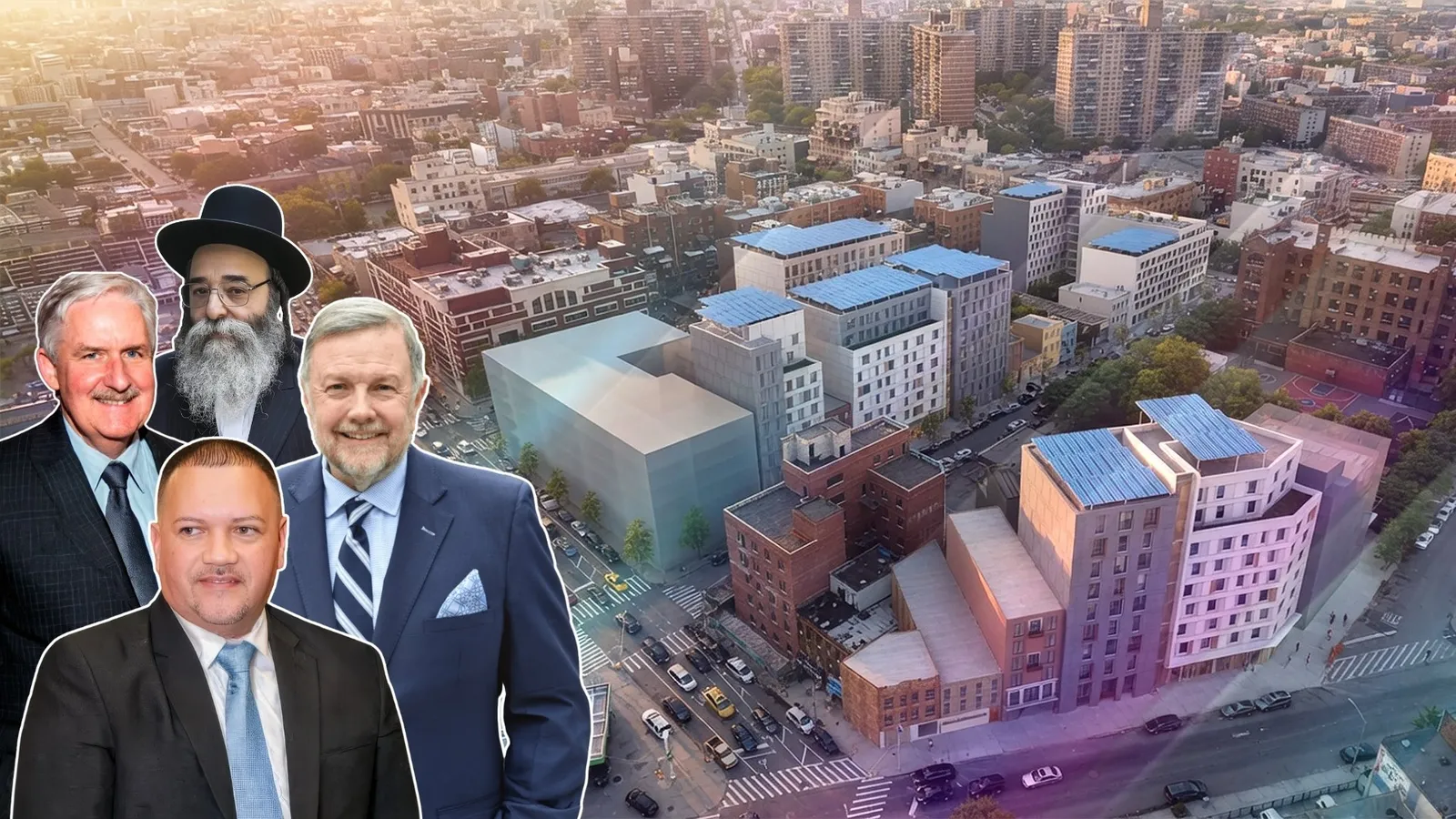
Construction is underway on the $71.5 million second phase of Bartlett Crossing, which will provide 78 affordable apartments in Brooklyn across two nine-story buildings.

Traded Editorial
- Construction has started on the $71.5 million second phase of Bartlett Crossing at 667 Flushing Ave. and 31 Bartlett St. in Brooklyn.
- The project will deliver 78 permanently affordable apartments across two nine-story buildings.
- Apartments will range from studios to four-bedroom units and serve households earning up to 80% of the area median income.
- Bartlett Crossing is part of a larger redevelopment plan expected to create 390 permanently affordable homes on formerly vacant city-owned land.
- The all-electric buildings will include energy-efficient systems, photovoltaic canopies and accessible apartments.
What Bartlett Crossing Phase Two Includes
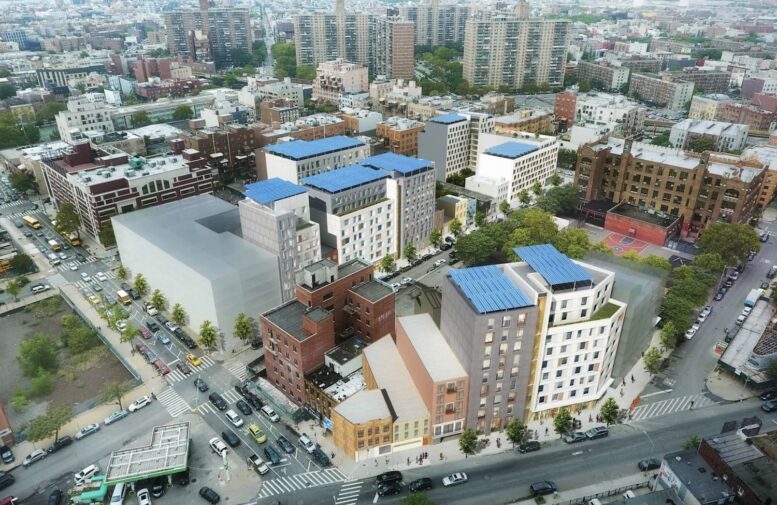
The second phase of Bartlett Crossing is now under construction at 667 Flushing Ave. and 31 Bartlett St. in Brooklyn’s Broadway Triangle neighborhood. The properties are located between Throop and Harrison avenues. The $71.5 million development will include 78 affordable apartments across two nine-story buildings. Magnusson Architecture and Planning PC designed the project, while Unified Neighborhood Partners is leading the development. Unified Neighborhood Partners is a joint venture involving St. Nicks Alliance, Southside United HDFC–Los Sures, RiseBoro Community Partnership and United Jewish Organizations of Williamsburg.
What the Affordable Housing Plan Provides
The development will offer studios and one-, two-, three- and four-bedroom apartments for households earning up to 80% of the area median income. Eight apartments will be reserved through referrals from the New York City Department of Housing Preservation and Development’s Homeless Services unit. Another 16 apartments will receive project-based rental assistance. Five homes are designed for residents with mobility disabilities, while two apartments will accommodate residents with sensory disabilities.
What the Two Buildings Will Look Like
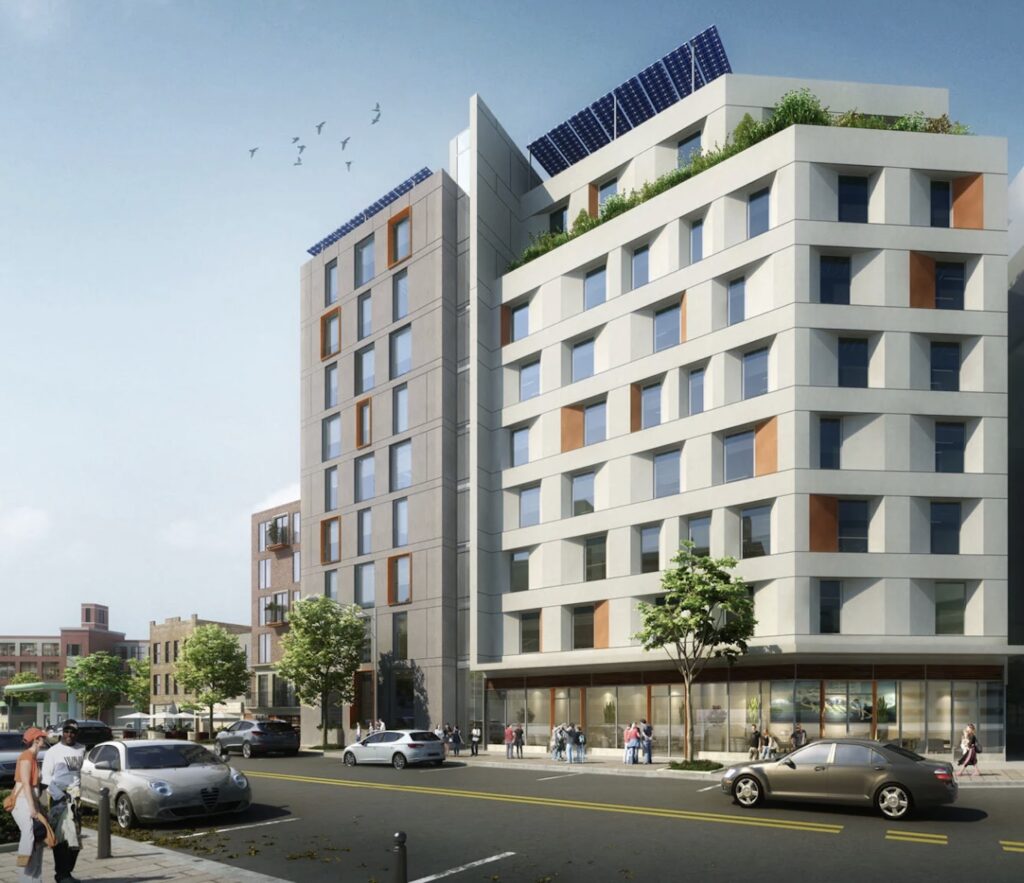
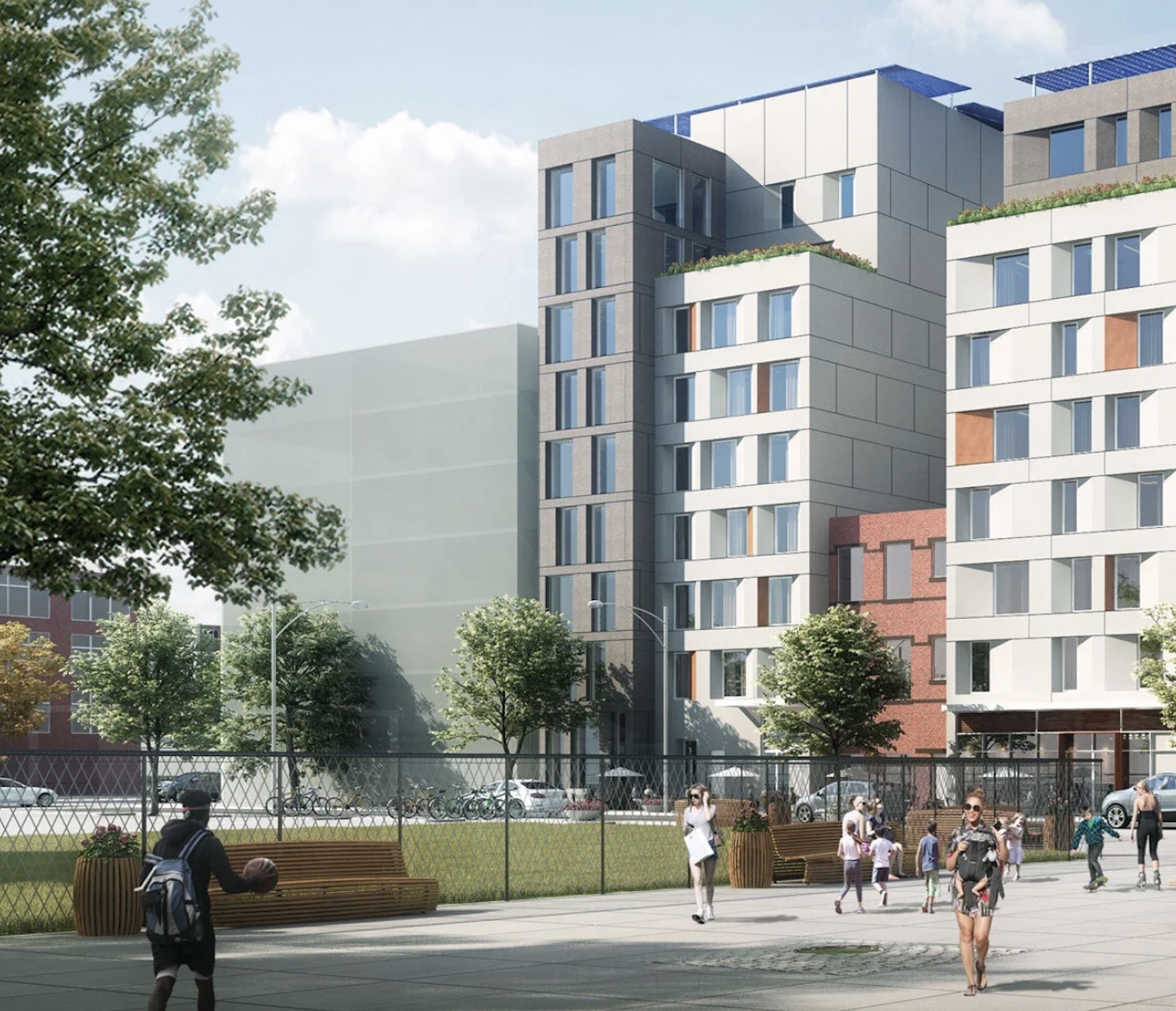
The buildings will share a coordinated design featuring white and gray exterior panels surrounding recessed windows with beveled frames. The larger building at 31 Bartlett St. will wrap around an existing three-story property on the north side of Bartlett Street. The smaller structure at 667 Flushing Ave. will rise at the intersection of Flushing Avenue and Whipple Street and feature a landscaped setback on the eighth floor. Both buildings will be topped with photovoltaic canopies to support on-site renewable energy generation.
What the Sustainability Features Include
Bartlett Crossing will be an all-electric development designed to meet Enterprise Green Communities Plus standards. Energy-efficient features will include variable refrigerant flow systems for heating and cooling, energy recovery ventilators, highly insulated building envelopes and high-performance windows. The project is also designed to meet ENERGY STAR Multifamily New Construction and EPA Indoor airPLUS standards.
What the Larger Redevelopment Will Deliver
Bartlett Crossing is part of a broader master plan expected to create 390 permanently affordable apartments on formerly vacant city-owned land. The development follows the completion of Throop Corners, the first phase of the redevelopment. Throop Corners opened in May 2025 with 140 affordable apartments. Funding for the second phase includes support from New York State Homes and Community Renewal, the New York City Department of Housing Preservation and Development, the New York State Energy Research and Development Authority, Brownfield Tax Credits and local elected officials.
What Transit Options Are Nearby
Residents will have access to several nearby subway stations. The Flushing Avenue station provides G train service, while the Lorimer Street station is served by the J and M trains. The transit connections provide access to other parts of Brooklyn and the broader New York City subway network.