

Apr 2, 2026
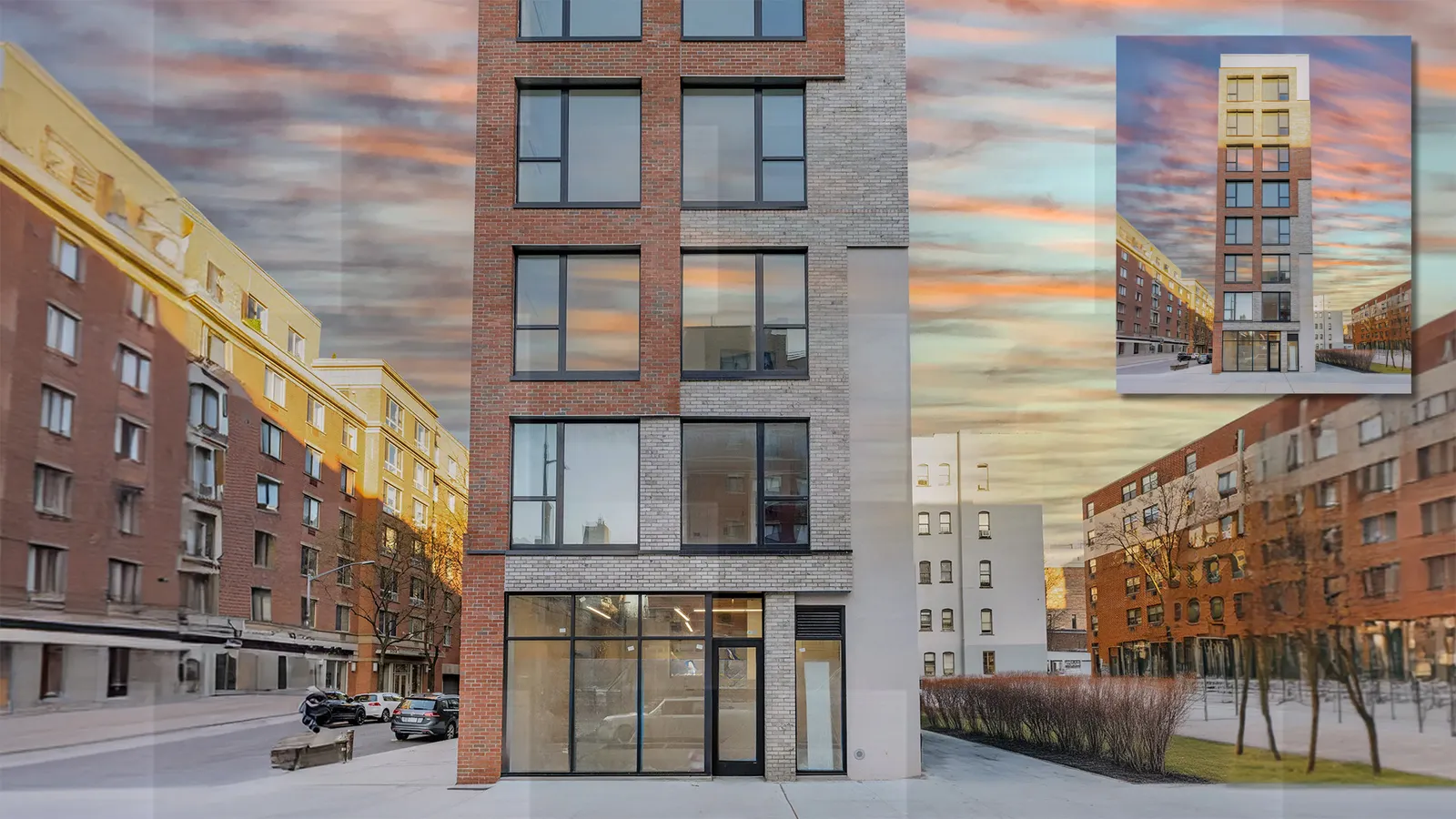
B Plus Realty Delivers Harlem Mixed-Use Project At 2171 Frederick Douglass Boulevard
Traded Media

Traded Editorial
- Eight-story mixed-use building delivers 14 residential units in Harlem
- Three units released through housing lottery at 130 percent AMI
- Project combines market-rate positioning with a limited affordable component
What the project means for Harlem infill development
The completion and lease-up of 2171 Frederick Douglass Boulevard adds another small-scale mixed-use project to Harlem’s growing residential pipeline. Developed by B Plus Realty, the eight-story building replaces a smaller site with a higher-density structure, contributing incremental supply in a constrained Manhattan submarket. These types of boutique infill projects continue to play a steady role in neighborhood growth without requiring large-scale development footprints.
What the affordability level means for targeting renters
Unlike many affordable housing projects, this development targets tenants earning up to 130 percent of the area median income, placing it closer to workforce housing than deeply affordable units. Rents exceed $3,400 for one-bedroom units and over $4,100 for two-bedroom units, reflecting Harlem’s continued rent growth and positioning within the broader Manhattan market. This approach allows developers to meet affordability requirements while still capturing higher rental income.
What the building features say about modern product
The project includes standard modern amenities such as in-unit washers and dryers, dishwashers, and air conditioning, along with building features like package lockers and elevator access. While not a large luxury development, the building aligns with current renter expectations for convenience and functionality in urban housing. This level of finish is increasingly expected even in smaller mixed-use properties.
What this means for developers and investors
The project highlights the continued viability of small-scale multifamily development in New York City. For developers, boutique buildings offer a more manageable path to entry while still benefiting from strong rental demand. For investors, these assets can provide stable income with less exposure to large-scale construction risk. As Harlem continues to evolve, projects like this will remain a key part of the neighborhood’s housing supply growth.