

Feb 13, 2026
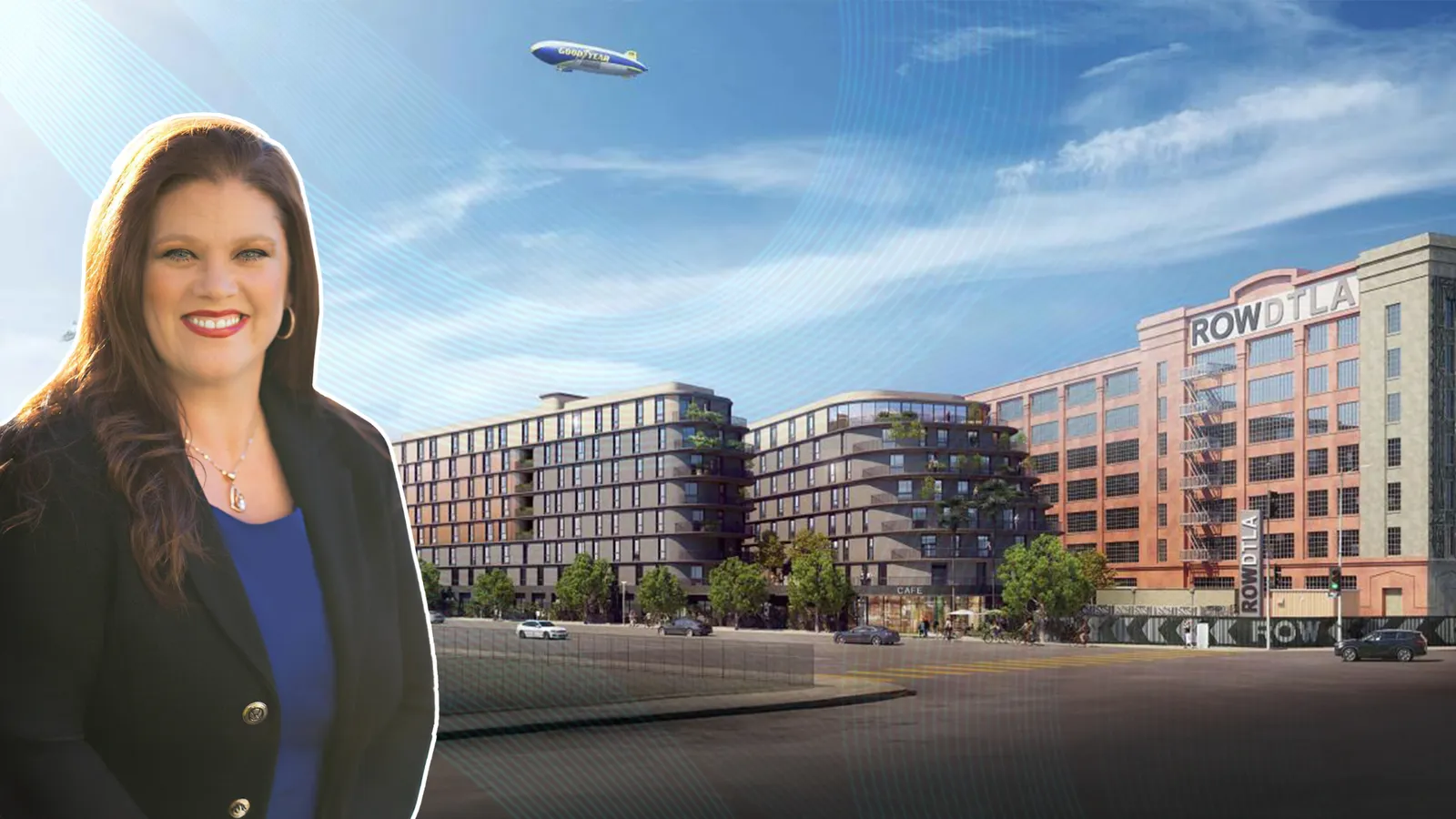
Atlas Capital Group Wins Approval for 1,000 Unit Apartment Project at Row DTLA
Traded Media

Traded Editorial
Key Points
- Atlas Capital Group secured approval for a 1,000-unit apartment project at 787 S. Alameda Street in Downtown Los Angeles.
- The three eight-story buildings will total nearly 900,000 square feet with 6,547 square feet of retail and 1,092 parking spaces.
- 114 units will be reserved for very low-income renters in exchange for density bonus incentives.
The Los Angeles City Planning Commission has approved Atlas Capital Group’s plan to replace surface parking on the east side of the Row DTLA campus with housing.
The proposal at 787 S. Alameda Street calls for three eight-story buildings containing approximately 1,000 apartments. The development will add nearly 900,000 square feet of new floor area to a 30-acre mixed-use campus that has steadily evolved since Atlas acquired the property more than a decade ago.
Project Scope and Density
The unit mix includes studios, one bedrooms, and two bedrooms, aligning with Downtown LA renter demand. In total, the project will provide 1,092 parking spaces and 6,547 square feet of ground-floor retail. To unlock the project’s scale, Atlas sought density bonus incentives. In return, 114 apartments will be set aside for very low-income households. That equates to roughly 11 percent of the total unit count, allowing the developer to significantly increase overall density. KFA Architecture is designing the project with upper-level setbacks that create cascading terrace decks and multiple shared courtyards throughout the complex.
Strategic Expansion of Row DTLA
Row DTLA, formerly known as Alameda Square, spans roughly 30 acres at 7th and Alameda and currently contains 1.7 million square feet of commercial space across nine buildings. The site was once the headquarters of American Apparel before Atlas repositioned it into a creative office and retail campus. This housing addition marks a continued shift toward mixed-use density in the Arts District and southern Downtown core. Surface parking conversion into multifamily aligns with broader city policy goals of infill development near transit and employment centers. Atlas has also secured approvals for a production studio across Alameda Street at the former Los Angeles Times printing plant and a 725-unit apartment project near Metro’s Chinatown Station, signaling a broader long-term play in Downtown LA.
Investor Takeaway
For multifamily investors, this approval reinforces that Downtown LA remains entitled to large-scale housing despite market volatility. Replacing parking with nearly 1,000 units dramatically increases land productivity on a campus already anchored by commercial uses. With a meaningful but manageable affordability component and strong adaptive reuse context, Atlas is positioning Row DTLA as a true live-work environment. The message is clear. Large infill density plays tied to established mixed-use campuses continue to win approvals in Los Angeles, especially when affordable units are built into the capital stack.