

Jan 30, 2026
Ari Rastegar on Risk and Long-Term Real Estate Strategy
Traded Media

Traded Editorial
Key Points
- Ari Rastegar prioritizes capital preservation over short-term upside
- Independent due diligence plays a central role in underwriting and risk management
- Long-term value is driven by people, migration patterns, and neighborhood-scale growth
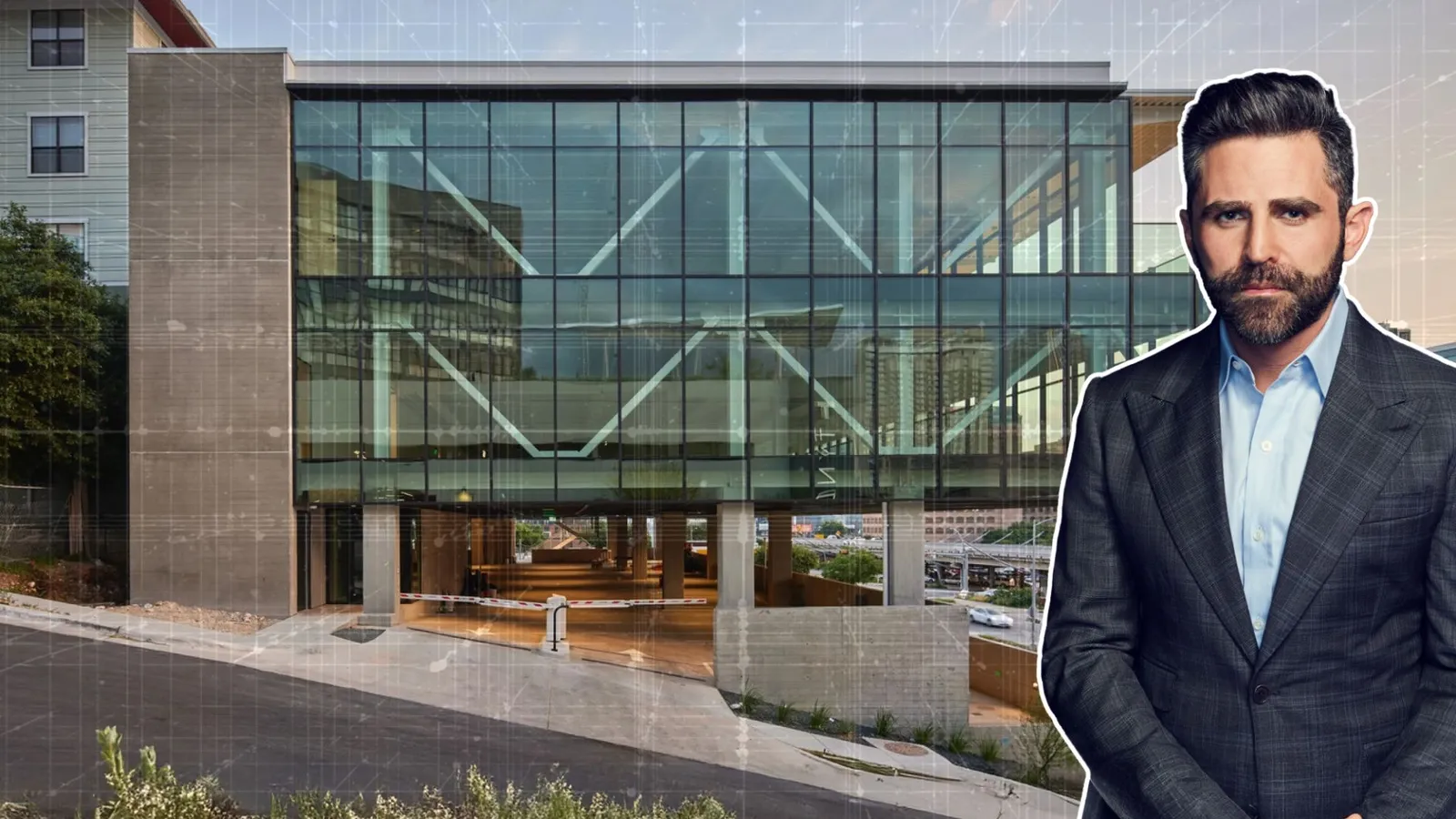
Ari Rastegar, founder and CEO of Rastegar Capital, has built his real estate platform around a simple principle: protect capital first, then let returns compound over time. In an interview conducted with Ari and Traded, we discussed a market defined by higher interest rates and tighter liquidity. Rastegar argues that success is less about chasing yield and more about avoiding mistakes that permanently impair capital. His approach blends institutional discipline with a human understanding of how cities evolve.
Capital Preservation Comes First
Rastegar views real estate investing as a long-duration exercise where losses are far more damaging than missed upside. Large drawdowns, he says, force investors into riskier behavior just to get back to even. Rather than optimizing for headline returns, his firm focuses on risk-adjusted performance, favoring durability and downside protection. In his view, consistent compounding ultimately outperforms strategies dependent on aggressive assumptions or short-cycle wins.
Why Outside Perspectives Matter
A core pillar of Ari Rastegar’s investment philosophy is independent due diligence. “Entrepreneurs are inherent optimists. Lawyers are trained to see everything that could go wrong. Those two people are always fighting inside my head.” Rather than resolve that tension, Rastegar institutionalizes it. He intentionally brings in third-party voices with no financial incentive to push a deal forward—lawyers, brokers, appraisers, accountants, and investors—and encourages them to challenge assumptions and stress-test underwriting. The objective is not certainty, but clarity. By forcing multiple perspectives into the process, the firm reduces the risk of optimism being mistaken for conviction.
Real Estate Is a People Business
Rastegar emphasizes that buildings do not exist in isolation. Markets are shaped by how people live, work, and interact within broader economic and cultural systems. He pays close attention to employment trends, lifestyle preferences, affordability, and social infrastructure. These human factors, he argues, are what give markets resilience during volatility and explain why certain places recover faster than others. That same mindset carries into entitlements and zoning. Rastegar views approvals as relationship-driven processes that reward patience, trust, and long-term engagement with communities.
Investing Near the Path of Growth
Rather than competing in fully priced core markets, Rastegar prefers investing adjacent to growth. As cities expand and costs rise, demand naturally spills into surrounding neighborhoods. Those areas often lag in pricing but benefit over time from population growth, infrastructure investment, and rising land values. The strategy relies less on prediction and more on patience, allowing fundamentals to surface over years rather than quarters.
Pocket Economies and Neighborhood Scale
Rastegar’s concept of “pocket economies” reflects changing consumer behavior. Renters and buyers increasingly favor walkable, self-contained neighborhoods where daily needs are met within a short distance. These environments function as demand engines of their own, particularly among younger residents who value flexibility, experience, and community. When supported by broader regional growth, such pockets become repeatable investment themes.
A Long View on Value Creation
From his first small deal in law school to building a vertically integrated platform, Rastegar credits long-term thinking and relationship building for sustained growth. For him, real estate success comes from aligning financial rigor with human insight.
“If you give enough value—to people, to communities, to your assets—the returns take care of themselves. When value is created for communities, partners, and residents, returns tend to follow.”
Bottom Line
Rastegar’s philosophy is a reminder that real estate rewards patience. In an era of compressed margins and heightened risk, disciplined underwriting, independent thinking, and a long-term view remain the most durable edge.