

Apr 30, 2025
An Interview with John Tashjian: Inside the Bold Moves Shaping Luxury Living from Beverly Hills to the Upper West Side
Traded sat down with Centurion Real Estate Partners Managing Partner John Tashjian for a conversation that ranged from brand strategy to interest-rate chess games.
Traded Media

Traded Editorial
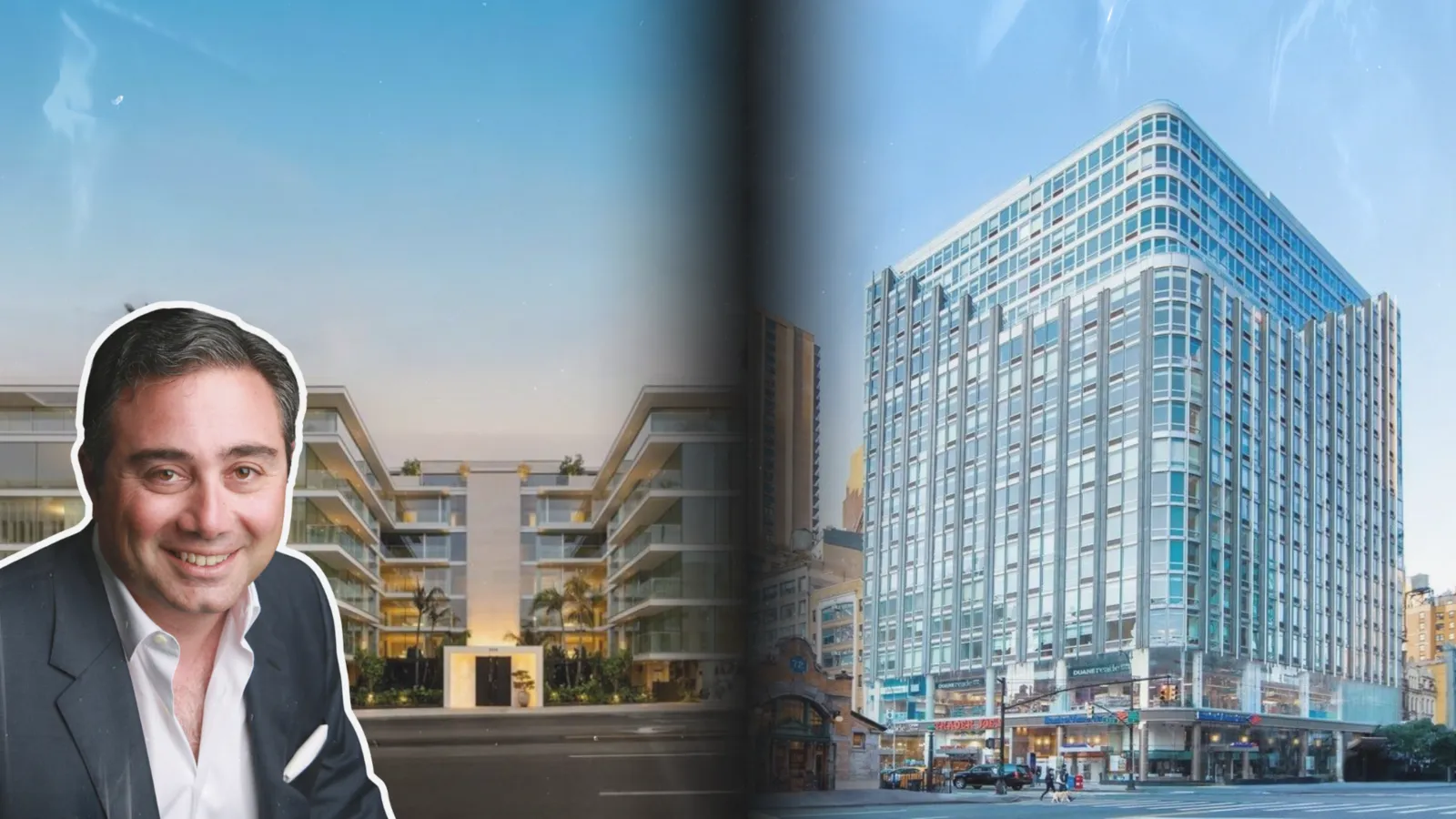
Centurion Real Estate Partners has always favored audacity over caution, but its latest one-two punch feels downright cinematic. In February, the Manhattan-based firm quietly closed on the Mandarin Oriental Residences, Beverly Hills—Mandarin Oriental’s first stand-alone residential tower in the United States—just as it was hitting stride at 212 West 72nd Street, the glass-curved icon it transformed from a trophy rental into one of New York’s fastest-selling condominiums.
To understand why Centurion chose these two very different, very expensive canvases—and how the team intends to ride them into 2025—Traded sat down with Managing Partner John Tashjian for a conversation that ranged from brand strategy to interest-rate chess games.
A Golden-Triangle Jewel
Ask Tashjian what drew Centurion three time zones west, and he answers without hesitation: “True scarcity.”
The Mandarin Oriental Residences occupies a whole block on Wilshire Boulevard’s Golden Triangle, wrapped in limestone and glass with lines that evoke a private members’ club more than a condo tower. Inside, British design studio 1508 London soaked every surface in calm: textured travertine, champagne-tinted mirrors, millwork that conceals appliances with watchmaker precision.
But marble alone doesn’t close deals in Beverly Hills; privacy does. Unlike branded residences tethered to active hotels, Mandarin Oriental Beverly Hills offers owners five-star service—valet, housekeeping, a 24-hour concierge trained by Mandarin—without transient guests or lobby foot traffic.
“Buyers want the fantasy,” Tashjian explains, “but they’ll pay a premium to keep paparazzi and party-scene energy outside their elevator bank.”
Negotiations were anything but turnkey. Centurion had to align three powerhouses—seller SHVO, Mandarin Oriental Hotel Group, and the City of Beverly Hills—on a framework that would protect service standards while giving the new owner leeway to release inventory gradually.
That phased rollout matters; fewer than two dozen new-development condos above five million dollars trade in Beverly Hills yearly. Flooding the market would dull the tower’s glow. Centurion intends to debut homes in curated tranches, saving two jaw-dropping duplex penthouses—each boasting rooftop pools and six-car garages—for the finale.
Centurion’s other marquee project in New York sits literally atop the 72nd Street express stop at Broadway. Once known as The Corner, the rental tower’s scalloped glass façade had grown familiar—and under-leveraged in Tashjian’s view. Centurion bought the building during the pandemic lull, emptied every unit, stripped the systems to steel, and invited architecture firm CetraRuddy to reinvent the interiors.
The result is 212 West 72nd Street Version 2.0: 106 condos ranging from efficient one-bedrooms to sprawling sky homes with 360-degree terraces.
Sales momentum surprised even the sponsor. By spring 2025, the building was more than seventy percent sold, including fifty million dollars in contracts signed in a single thirty-day sprint.
“The Upper West Side chronically lacks brand-new product,” Tashjian notes. “Add immediate occupancy, direct subway access, Trader Joe’s downstairs, and you get velocity.” A final penthouse collection—four oversized residences perched above the 18th floor—launches this summer, promising to push the sell-out across the finish line.
Beneath the marketing fireworks lies careful capital choreography. Centurion refinanced the inventory with a sizable loan in early 2024, taking chips off the table while preserving runway to time price releases. “Luxury real estate is a momentum play,” Tashjian says. “Our financing gives us the patience to wait for the right buyers rather than chasing volume.”
The Hunt For The Next Frontier
Both projects arrive at what many call an inflection point for luxury housing. Mortgage rates remain elevated, yet demand for turnkey, best-in-class homes continues to outstrip supply. Tashjian expects a split market: trophy assets with compelling stories will keep rising, while middling projects may languish or reprice. Centurion’s hedge is disciplined scarcity—dialing unit releases to match appetite and preserve comps.
The firm is already hunting for the next frontier. In Los Angeles, it sees fertile ground in hospitality-backed residential concepts that deliver five-star experiences without hotel density. In New York, value-add conversions in transit-rich corridors—think Midtown South or the Brooklyn waterfront—could replicate 212’s success, provided developers respect neighborhood fabric and buyer desire for instant gratification.
The Human Payoff
For all the spreadsheets and zoning battles, Tashjian admits the real thrill comes later, when residents step into lobbies that once buzzed with construction dust and now exude calm.
“Transforming stagnating assets into places that elevate daily life—that’s the reward,” he says. The lessons travel with every deal: recruit cross-disciplinary teams early, guard brand integrity like oxygen, and never underestimate the power of phased scarcity in a high-price market.
Centurion’s Beverly Hills jewel will unveil its remaining residences by year-end; its Upper West Side tower will soon crown new owners in sky-level penthouses. Two coastlines, one guiding principle: luxury lives where vision meets execution. And if Tashjian’s track record holds, the next chapter is already drafting itself in the margins of a term sheet somewhere between Wilshire and Broadway.