
Oct 2, 2025
Amazónico Plants Flagship at 800 Brickell, Adding Global Hospitality to Miami’s Financial Core
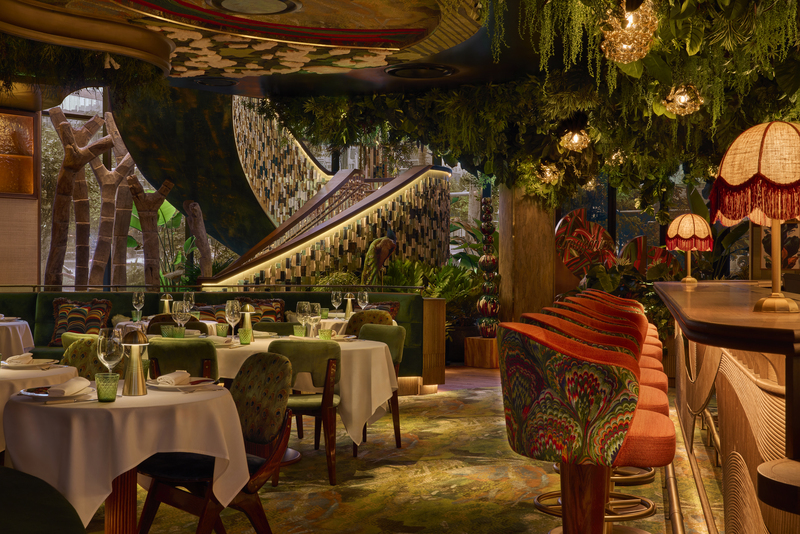
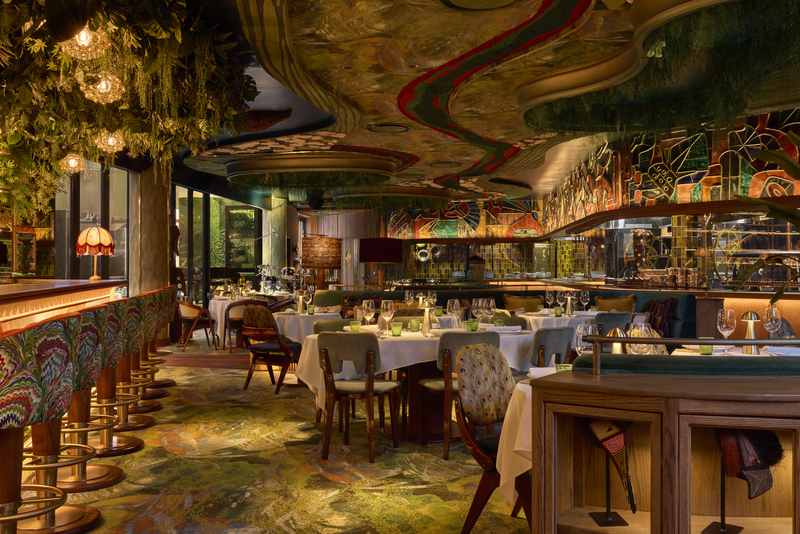
Amazónico opened its U.S. flagship at 800 Brickell Avenue, introducing a three-level destination featuring a restaurant, bar & lounge, as well as a rooftop designed by Lázaro Rosa Violán. The multimillion-dollar project…
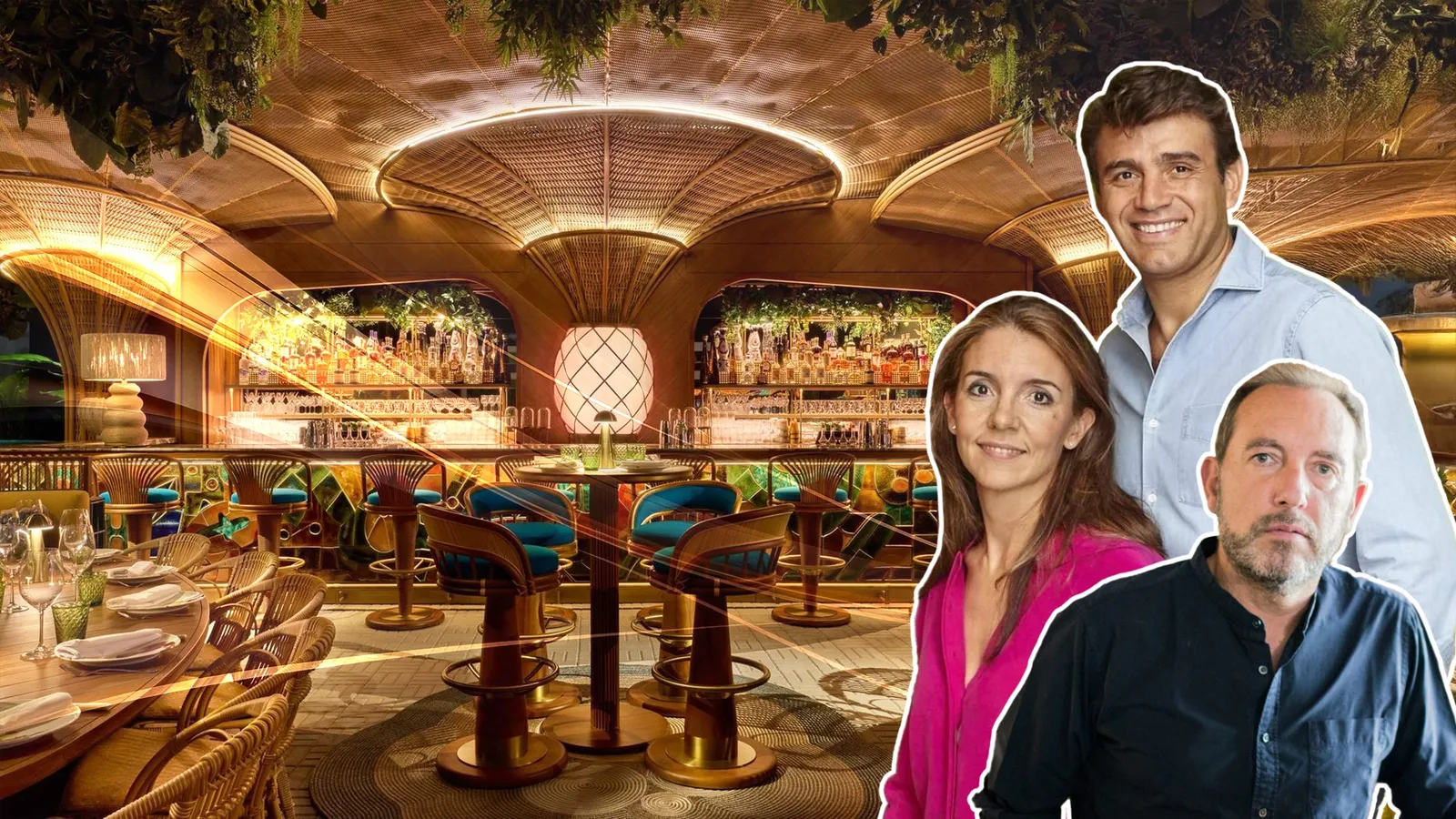
Traded Media

Traded Editorial
The Highlights
- Amazónico opened its U.S. flagship at 800 Brickell Avenue, one of Miami’s premier office and mixed-use corridors.
- The three-level venue encompasses a restaurant, bar & lounge, and rooftop, seamlessly integrating high-end dining with entertainment.
- Designed by Lázaro Rosa Violán, the buildout reflects a multimillion-dollar investment in activating Brickell’s nightlife and hospitality scene.
- The project adds a global luxury brand to Brickell’s evolving identity as both a financial hub and lifestyle destination.
Real Estate Deal & Location Significance
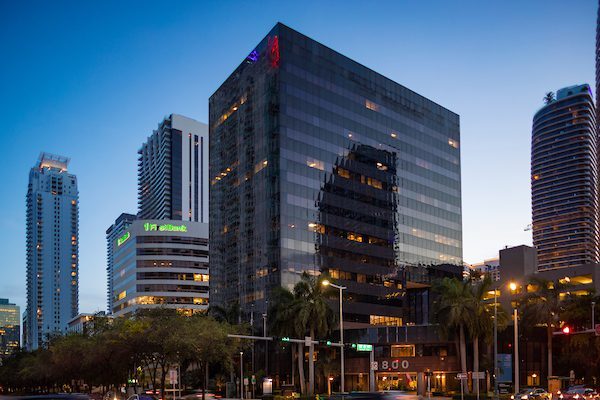
Amazónico’s debut at 800 Brickell Avenue represents more than just a new restaurant — it’s a hospitality anchor for one of Miami’s busiest office and residential districts. Brickell, long known as the city’s financial center, has seen an influx of new residential towers, hotels, and high-end retail. The addition of Amazónico enhances the property’s positioning as a mixed-use asset that bridges daytime office activity with evening cultural and social life.
By choosing Brickell over Wynwood or Miami Beach, the brand is staking a claim in the core of Miami’s urban expansion, betting on density, walkability, and a high-spending residential base. The site’s proximity to top office towers, luxury condos, and the Miami Riverwalk ensures steady demand from both locals and international visitors.
Venue & Redevelopment Vision
Spanning three floors, Amazónico Miami is structured as a vertical lifestyle destination:
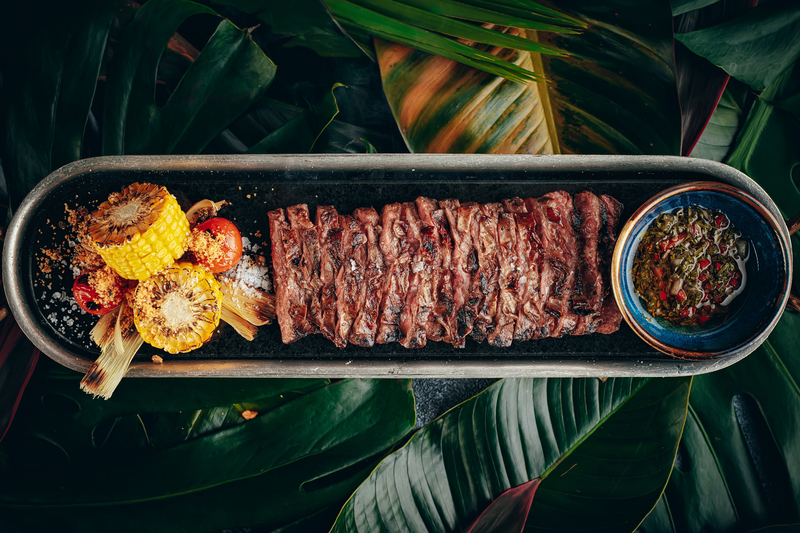
- Ground Floor Restaurant: Indoor and open-air seating with live music and an open kitchen.
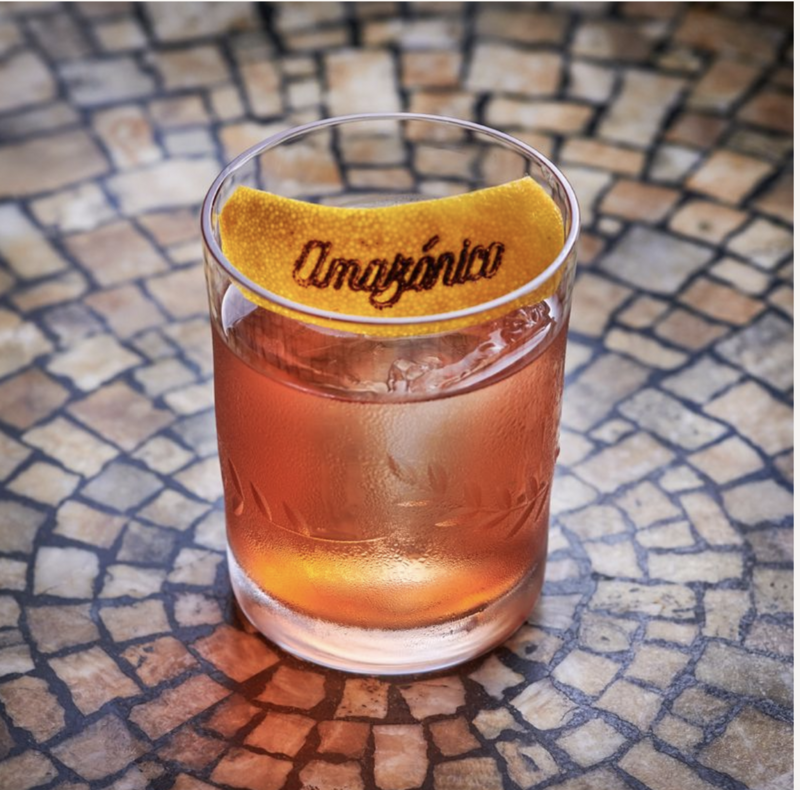
- Second Floor Bar & Lounge: Cocktails, sushi counter, DJs, and private dining.
- Third Floor Rooftop: Opening in October 2025, offering panoramic views over Brickell’s skyline.
The adaptive design brings new nightlife density to Brickell, complementing residential towers and office assets with late-night activation. Its footprint (nearly 400 seats across restaurant, terrace, and lounge) transforms the property into a landmark experiential tenant.
Market Implications
From a real estate perspective, Amazónico’s entry validates Brickell’s transition from a 9-to-5 banking district into a 24/7 global neighborhood. The project illustrates how experiential tenants are driving value for office landlords and surrounding residential assets. Similar to how Zuma anchored EPIC Hotel & Residences on the river, Amazónico at 800 Brickell is poised to elevate the street’s appeal to both tenants and investors.
The investment also positions Brickell competitively against Miami Beach in attracting international hospitality concepts. With land constraints in South Beach and rising development costs, Brickell’s vertical mixed-use environment offers a natural alternative for global operators seeking long-term visibility.
A Landmark Opening
Amazónico Miami’s arrival underscores the interplay between real estate, hospitality, and cultural branding in Brickell. Beyond its role as a restaurant, it represents a strategic tenant that enhances asset value, creates placemaking, and fuels the live-work-play ecosystem that defines Miami’s growth story. Investors and developers will be watching closely how the concept performs, as it could shape future leasing strategies for high-profile urban properties.