

Feb 26, 2026
Albany Lawmakers Introduce Bill to Create Commercial Rent Guidelines Board in New York City
Traded Media

Traded Editorial
Key Points
- State lawmakers introduced the New York City Small Business Rent Stabilization Act in Albany
- Bill would create a Commercial Rent Guidelines Board to cap rent increases for non-chain retailers
- Brokers warn it could reduce property values and tighten lending
What the Bill Would Do to NYC Retail Leases
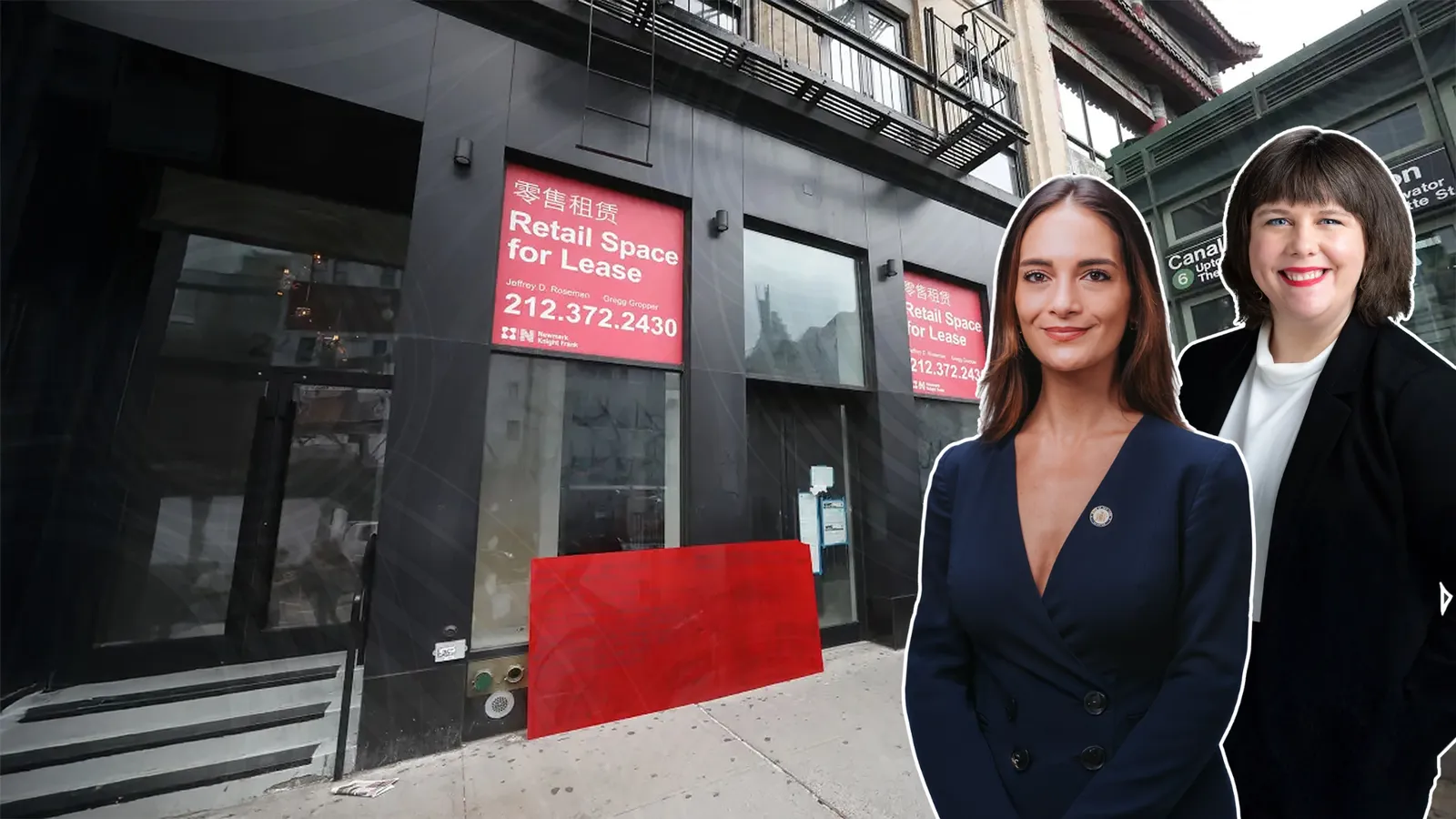
State Sen. Julia Salazar and Assemblymember Emily Gallagher have introduced state legislation that would effectively apply rent stabilization rules to certain small retail tenants in New York City. The proposal would amend the city’s administrative code and establish a nine-member Commercial Rent Guidelines Board appointed by the mayor. That board would regulate rent increases and renewal terms for qualifying non-chain retail tenants. Unlike residential rent stabilization, this framework would apply to direct tenants, subtenants, and sublandlords, meaning virtually anyone legally occupying a commercial space.
What This Means for Property Values and Lending
Commercial brokers are already raising alarms. Critics argue that capping rent growth and limiting lease flexibility would increase regulatory risk, weaken asset performance, and ultimately compress valuations. In a market still stabilizing from pandemic-era vacancies, lenders could respond by tightening underwriting standards for retail-heavy assets. For landlords, the concern is straightforward. If future rent growth is restricted, cap rates could expand, and refinancing becomes more difficult.
What This Means for Small Retail Leasing Strategy
The bill is modeled after the long-debated Small Business Jobs Survival Act, which failed repeatedly at the city level over the past three decades. Opponents warn of unintended consequences. Landlords may become more selective when leasing to mom-and-pop operators if replacing them at expiration becomes more difficult. That dynamic could ironically reduce opportunities for the very businesses the bill aims to protect. Supporters argue that small retailers are less resilient than national chains and need protection from sharp rent spikes, particularly as prime corridors like SoHo and Fifth Avenue continue commanding sky-high rents.
What This Means for NYC’s Retail Recovery
Retail fundamentals in Manhattan have improved, especially in luxury corridors. National leasing has been driven largely by luxury brands and discount chains, reflecting a “K-shaped” consumer environment. However, bankruptcies and store closures among even established brands show ongoing economic pressure. If passed, commercial rent stabilization would mark a dramatic policy shift for New York’s retail market. For landlords and investors, the proposal introduces a new layer of political risk at a time when capital is cautiously returning to urban retail. The bill is still moving through Senate committees, and its ultimate fate in Albany remains uncertain. But the conversation around commercial rent control is clearly back on the table.