

Mar 10, 2026
40,000 Affordable Homes Stalled Across California as Funding Gaps Freeze Development Pipeline
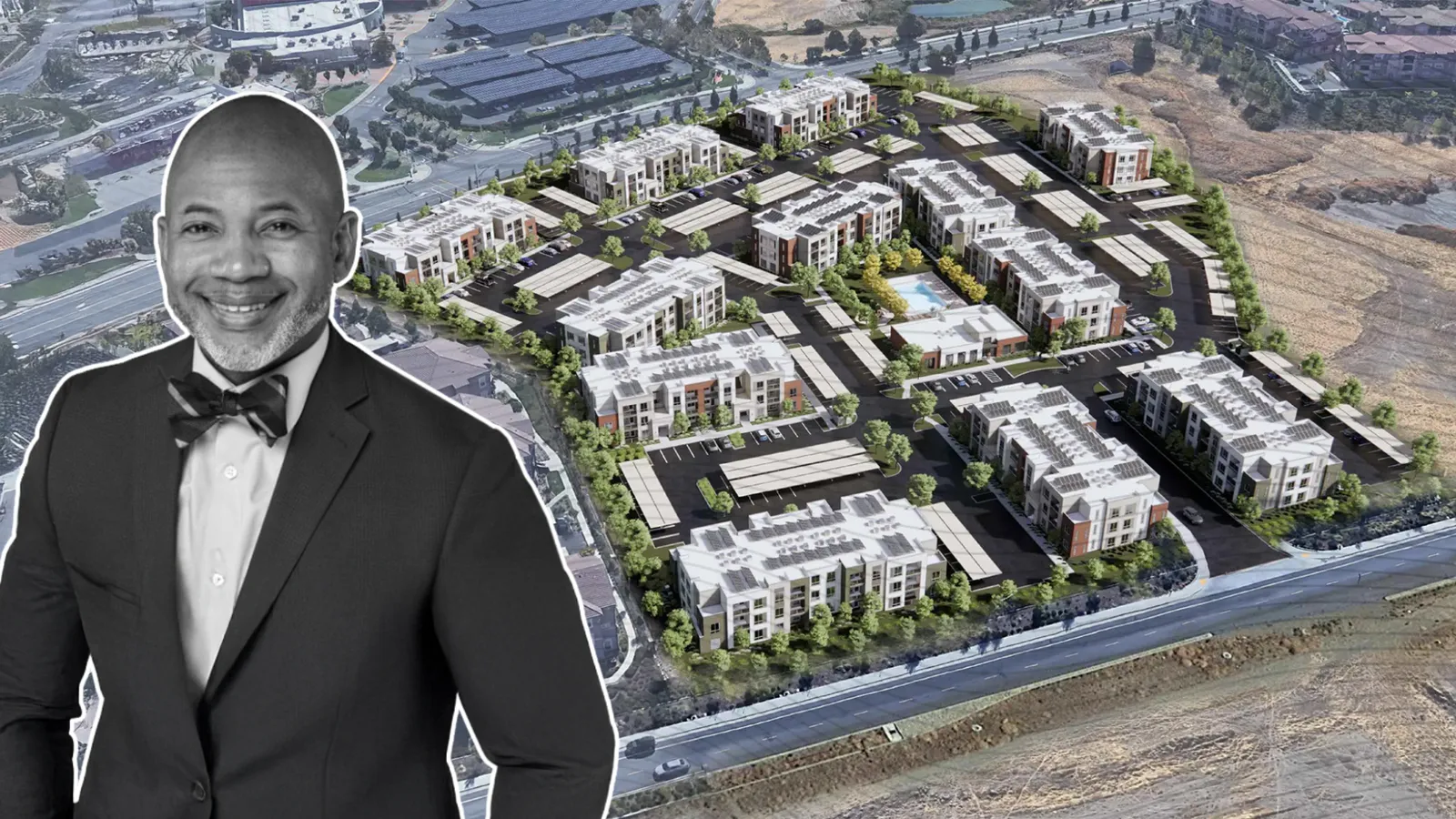
Traded Media

Traded Editorial
Key Points
• 40,000 affordable homes stalled across 461 projects
• $7.7B in outside capital at risk without state funding
• Most projects cleared approvals but lack final financing
What the Pipeline Freeze Means for Affordable Housing Supply
A new report shows nearly 40,000 homes across 461 developments are stalled in the near construction phase. Rental units make up the vast majority of the pipeline, with only a small share slated for homeownership. These projects have already cleared zoning, environmental review, and early capital stacks, meaning they are closer to groundbreaking than typical early-stage proposals. Without final funding layers, the shovel-ready supply remains locked on paper.
What the Funding Gap Means for Capital at Risk
More than two-thirds of the units have already secured at least one source of state financing, but still need additional subsidies to move forward. Developers require roughly $1.8 billion in state tax credits and $5.8 billion in tax-exempt bond allocations to close capital stacks. Without that support, California risks losing $7.7 billion in outside investment, including private equity and federal funding. Incomplete capital stacks are now the primary constraint, not entitlements.
What State Budget Decisions Mean for Development Timelines
Governor Gavin Newsom’s proposed 2026–2027 budget does not include new allocations for major affordable housing subsidy programs. Programs impacted include CalHome, the State Low Income Housing Tax Credit, and Homekey+. The absence of new funding creates uncertainty for developers waiting on final capital commitments. Policy gaps can delay starts by years, increasing carrying costs and weakening project feasibility.
What the Proposed Bond Measure Means for Future Financing
The proposed 2026 Affordable Housing Bond Act (AB 736) would authorize $10 billion in bond funding. Advocates say a permanent funding source is essential for California to meet its target of building 1 million affordable homes by 2030. Bond financing could unlock both new developments and preservation of existing affordable stock. Voter-approved bonds remain one of the few scalable capital solutions at the state level.
What Los Angeles Bottlenecks Mean for Local Supply
Los Angeles and Ventura counties account for more than 9,500 stalled units, making Southern California a major pressure point. Mayor Karen Bass’s Executive Directive 1 accelerated approvals but did not solve financing constraints. Faster entitlements alone have not translated into meaningful increases in construction starts. Streamlined approvals help, but capital availability ultimately determines delivery.
What This Means for Affordable Housing Investors
The hardest parts of development are often political approvals and entitlement risk. Many of these projects have already cleared those hurdles. Today’s bottleneck is capital stack completion. Until subsidy flows resume, affordable housing supply will lag demand, reinforcing long-term fundamentals for delivered assets while pipeline risk remains elevated.