

Jul 15, 2025
$175M Bet: Yellowstone to Transform Former Hotel Shelter into 249-Unit Midtown Resi Tower
Repurposing outdated hospitality properties into long-term residential spaces.
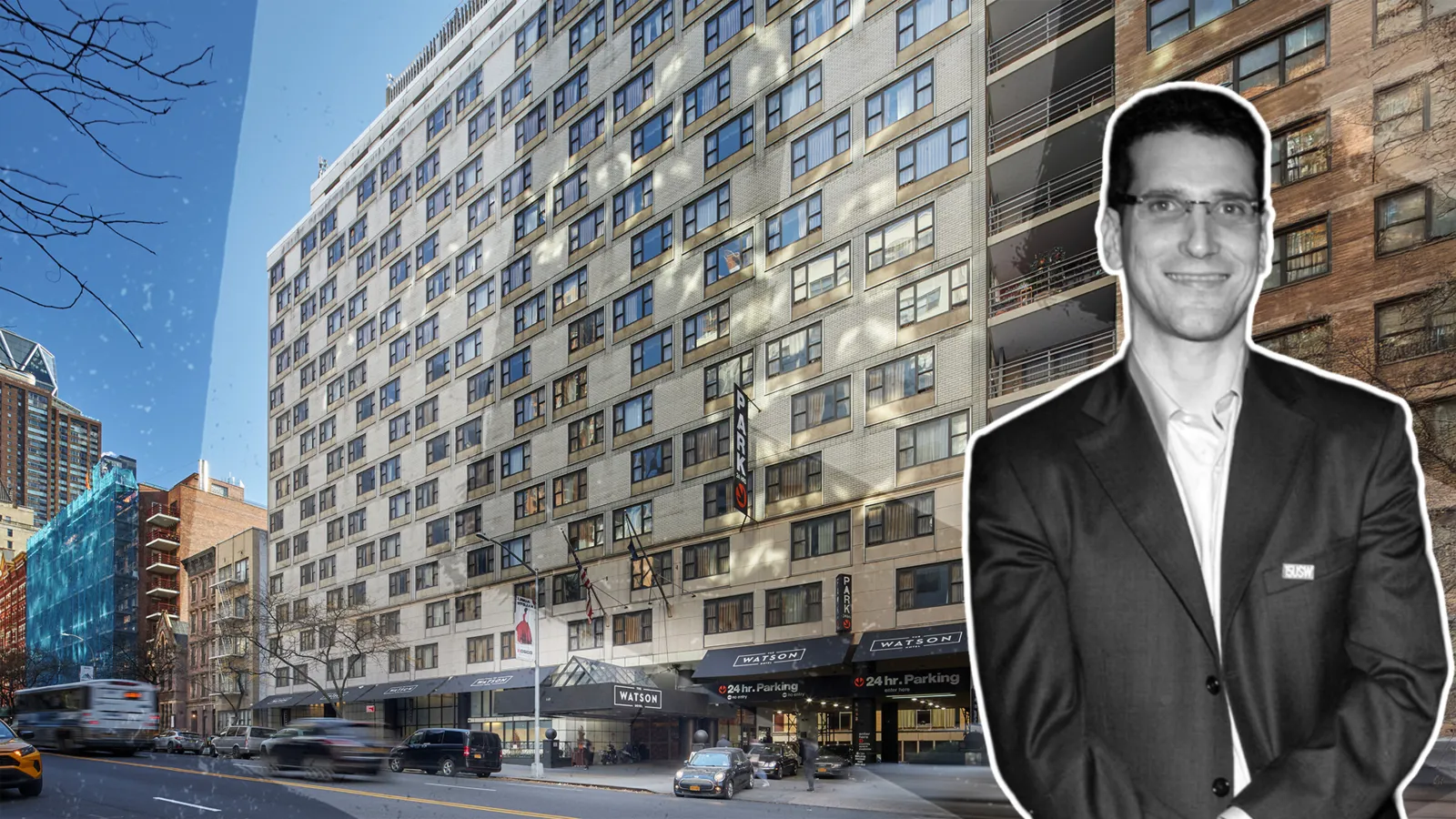

Traded Editorial
Key Points:
💰 Yellowstone Real Estate Investments is enhancing its focus on multifamily housing in Manhattan.
🏦 The firm has initiated plans to transform the defunct Watson Hotel into a residential complex with 249 units.
🏡 This shift is part of a larger movement to repurpose outdated hospitality properties into long-term residential spaces.
In the bustling landscape of Manhattan, a notable change is unfolding as Yellowstone Real Estate Investments amplifies its commitment to the multifamily sector.
The Transformation of the Watson Hotel
The transformation process has commenced for the Watson Hotel located at 440 W. 57th St. Historically a vibrant hub for travelers, this establishment has recently been repurposed during its idle phase, first serving as a shelter for migrants. Now, Yellowstone envisions a shift from short-term stays to creating a permanent residential community. The proposal outlines the development of 249 living spaces, aligning with the trend of converting underutilized hospitality venues into enduring housing solutions.
Investment Strategy and Opportunities
The Midtown investment firm, under the leadership of its CEO, has an ambitious vision following the acquisition of the Watson property for a notable sum of $175 million in 2021. The architectural redesign plans reveal an innovative approach, with adjustments made to accommodate between six to fifteen apartments on each level. This bold initiative not only aims to provide modern housing but also includes a wealth of amenities. Expected highlights of the redevelopment will feature a fitness center, both indoor and rooftop swimming pools, an entertainment lounge, a gaming room, and a pet play area, with parking facilities situated below ground level.
Shifts in City Shelter Policies
This project aligns with the changing policy landscape in New York City regarding emergency shelters. As Mayor Adams has announced the cessation of operations at the Watson Hotel as a Humanitarian Relief Center, the city is scaling back its emergency shelter program. Over the past year, many shelter sites have been shut down across various boroughs, creating opportunities to rethink the utility of such facilities and transition them towards residential living spaces.
A Growing Trend in Midtown Real Estate
Yellowstone’s strategic pivot is not limited to the Watson Hotel. The firm has also pursued the transformation of another property—1730 Broadway, a former office building previously owned by Blackstone. Plans are set in motion to convert this 26-story tower into 400 residential apartments after their 2023 acquisition for $185.9 million. This dual approach highlights an adaptive reuse mentality in real estate, where companies are finding innovative ways to utilize existing buildings in response to fluctuating market demands.
The Bigger Picture
The proactive measures taken by Yellowstone represent a broader trend in urban real estate strategies. As office vacancies remain elevated and tourism struggles to regain its footing post-pandemic, significant players in the real estate market, like Yellowstone, are capitalizing on opportunities to derive long-term value from historically underperforming assets. This shift towards adaptive reuse not only preserves resources but also enhances the housing landscape, offering fresh possibilities for urban living.
In summary, the evolution of the Watson Hotel into residential units signifies a transformative era in Manhattan’s real estate market. As companies embrace innovative solutions and capitalize on changing dynamics, the future holds vast potential for redefining urban environments.