

Aug 11, 2026
1,568-Unit Residential Conversion Underway at 111 Wall Street
111 Wall Street is being transformed from a office tower into 1,568 rental apartments, with 25% designated as affordable housing and amenities spanning over 100,000 square feet.

Traded Editorial
- 111 Wall Street is being converted from a office tower into approximately 1,568 rental apartments in Manhattan's Financial District.
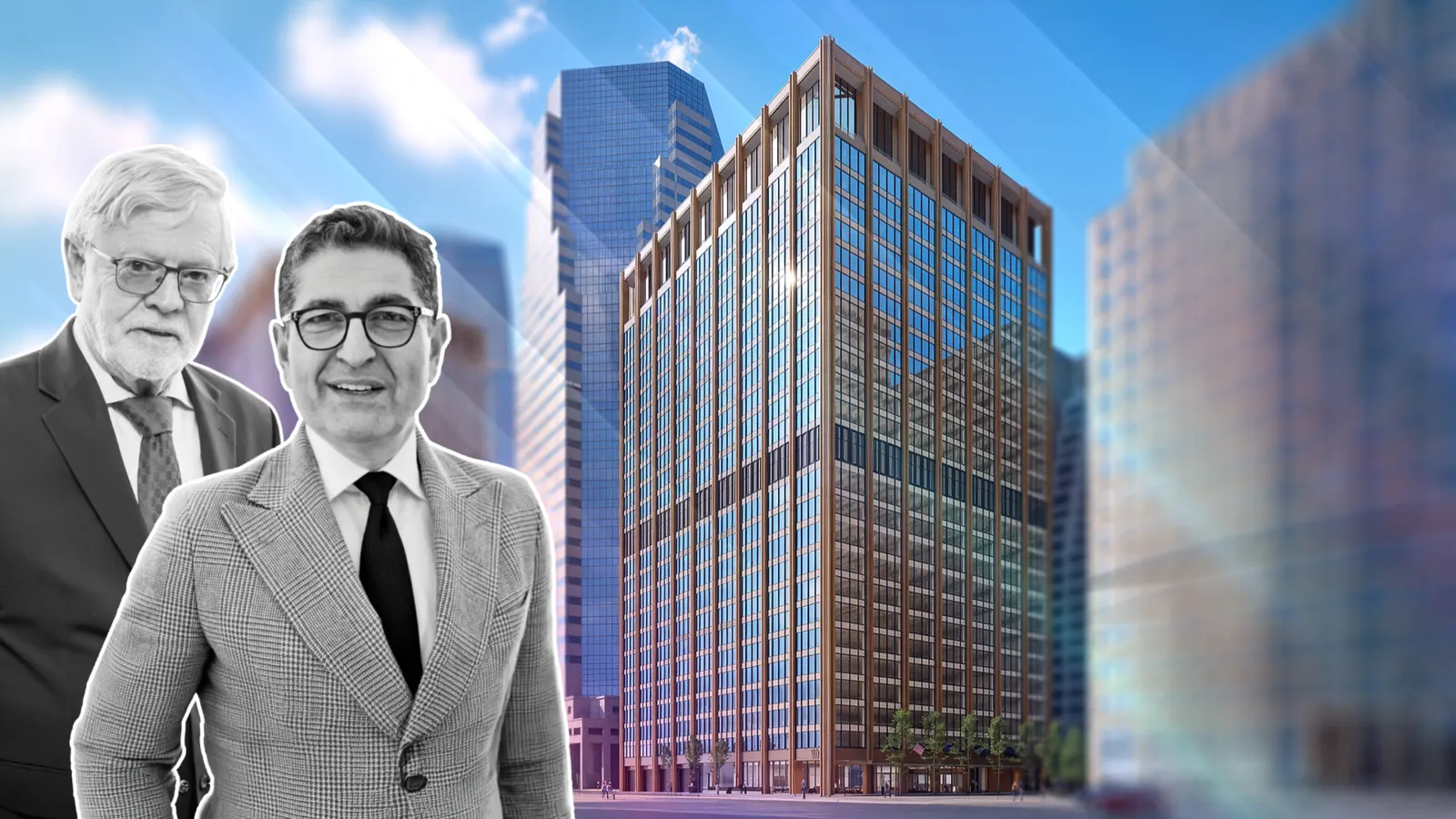
- InterVest Capital Partners and MetroLoft Development are leading the redevelopment, with Gensler serving as architect.
- The project includes 25% affordable housing, 7,000 square feet of ground-floor retail and more than 100,000 square feet of amenities.
- The team closed an $867 million financing package, including a $778.6 million construction loan arranged by Walker & Dunlop.
What Is Changing at 111 Wall Street
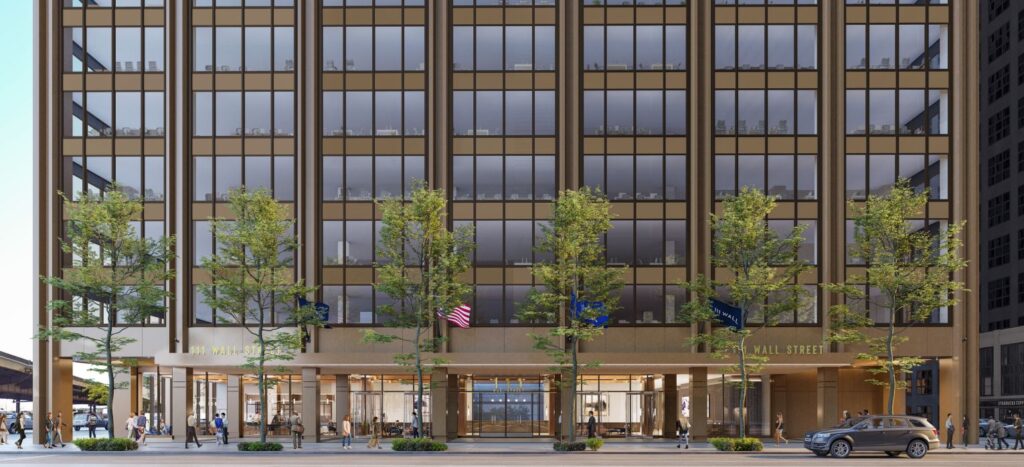
Construction is underway at 111 Wall Street as the long-vacant Financial District office tower undergoes a major conversion into housing. The project will transform the approximately 899,000-square-foot building into roughly 1,568 rental apartments. About 25% of the residential units will be reserved for affordable housing, with the affordable apartments targeted to households earning an average of 80% of area median income. The redevelopment also calls for 7,000 square feet of ground-floor retail space and more than 100,000 square feet of residential amenities, giving the project a much different use than the office building that previously occupied the site.
What The Redevelopment Looks Like
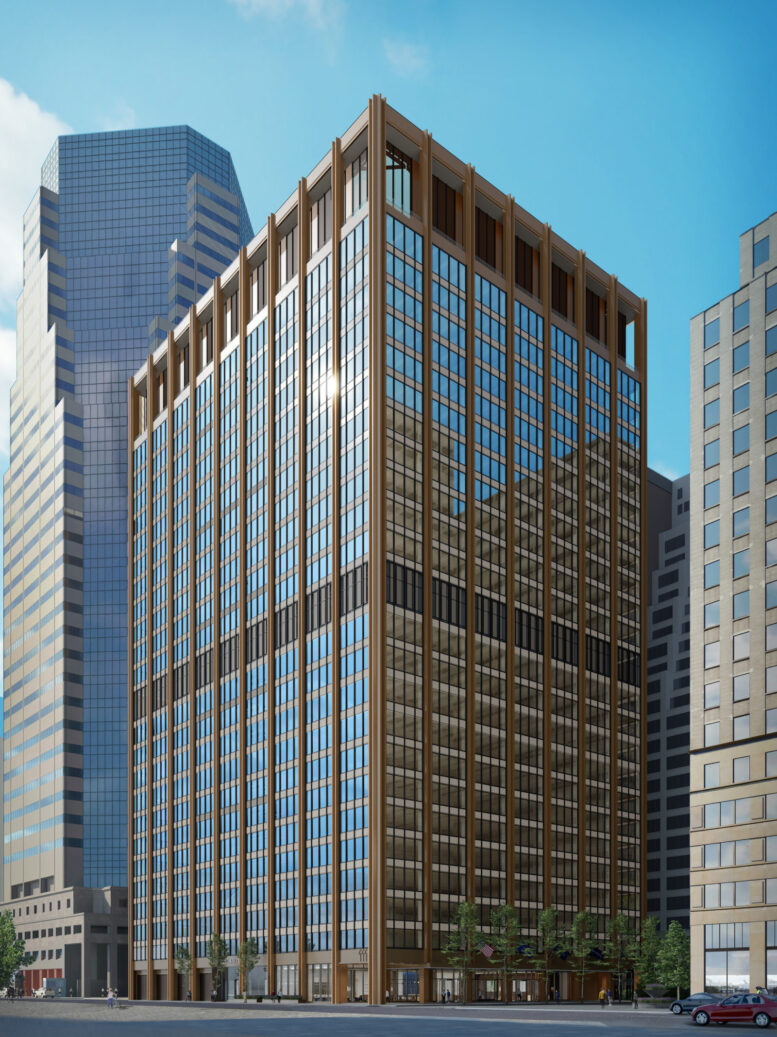
The conversion involves more than simply renovating the existing interiors. The development team is adding five stories above the existing 24-story structure, creating a 30-story residential tower. The lobby will also be completely redesigned as part of the residential conversion. Gensler is overseeing the architectural work, bringing the 1968-built office property into its next phase as a large-scale rental building. The project follows an earlier attempt to reposition 111 Wall Street as a modern office property. After Citigroup departed in late 2019, the owners invested heavily in a new glass curtain wall and other office upgrades. That strategy ultimately failed to stabilize the building as Lower Manhattan's office market weakened.
What Amenities Are Planned
The new 111 Wall Street is expected to offer a substantial amenity package spread across more than 100,000 square feet. Plans include a wellness and recreation area with a spa, golf simulator, bowling alley and social lounges, along with a fitness center, café and coworking spaces. The rooftop is planned to include climate-controlled basketball and padel courts, as well as a rooftop deck. Walker & Dunlop has described the project as including the city's only rooftop NBA regulation basketball court. Additional amenities are expected to include a pool, jogging track and outdoor fitness area, giving the development a strong focus on recreation and wellness.
What The Financing Means
The conversion received a major financial boost when the development team closed an $867 million financing package in December. Walker & Dunlop's Capital Markets Institutional Advisory team arranged a $778.6 million non-recourse construction loan, which represented the majority of the project's total capitalization. The financing makes 111 Wall Street one of the largest office-to-residential conversion financings in New York City. The scale of the financing reflects both the size of the conversion and the complexity of adding five floors to an existing office structure while creating more than 1,500 apartments and a large affordable housing component.
What The Project Means for Lower Manhattan
111 Wall Street is part of a broader shift in Lower Manhattan, where older office properties are increasingly being evaluated for residential conversion as office demand changes. The project is particularly notable because of its size. Delivering approximately 1,568 apartments from a former office building could add a significant amount of housing to the Financial District while putting a large property back into active use. The inclusion of affordable apartments also positions the project within New York City's effort to encourage office-to-residential conversions that create new housing. For the Financial District, the redevelopment adds another large residential population to a neighborhood that has increasingly evolved from a primarily commercial district into a mixed-use community.