
Sep 30, 2026
The Unspoken Standard of Miami Beach Luxury Home-Building
Inside the work of Bart Reines, Miami’s most discreet builder
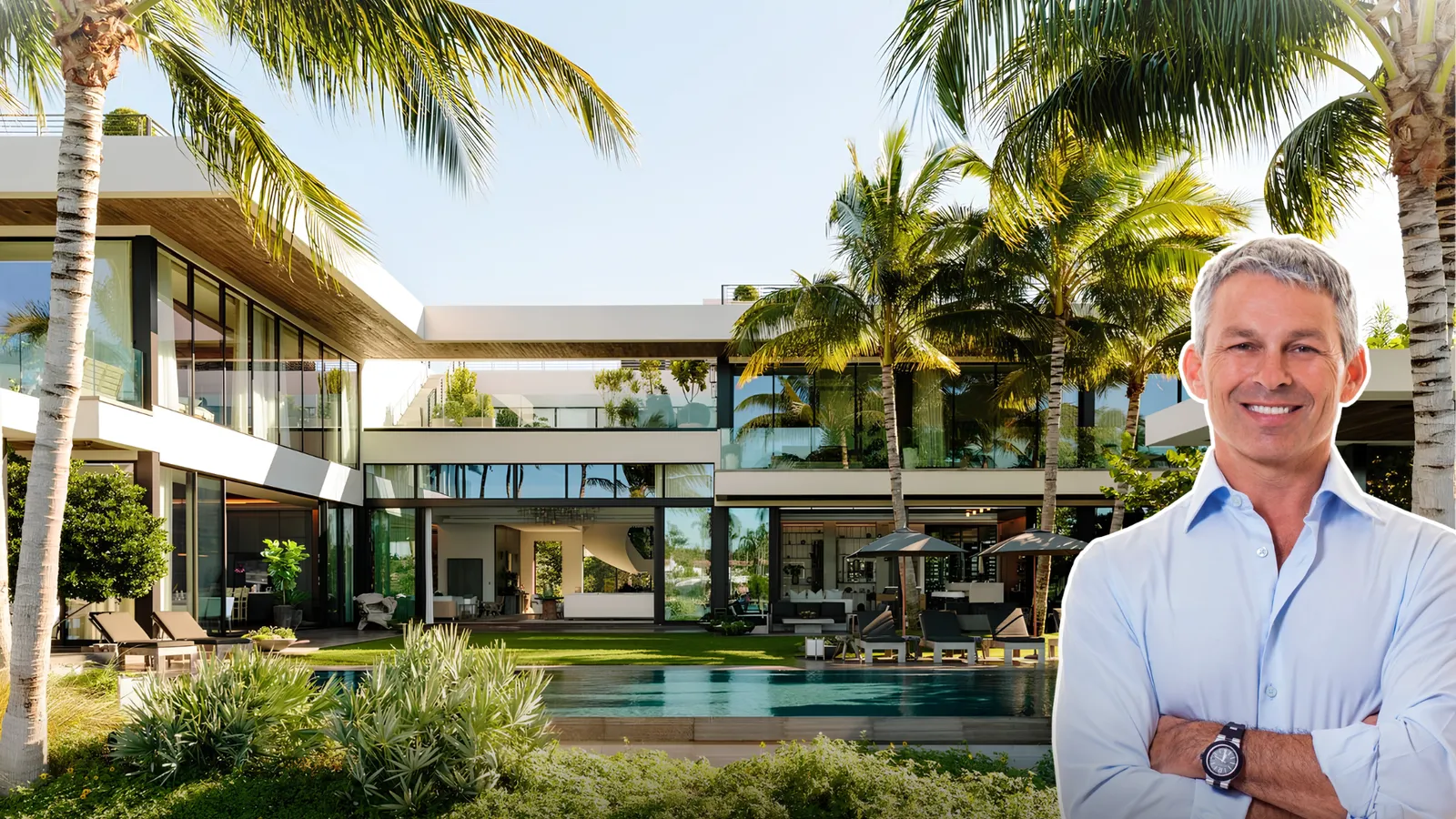
Image credit: Bart Reines Luxury homebuilder

Traded Editorial
A celebrity knocked on his door and asked how much he wanted for the house. Bart Reines had been living in it for less than a month.
That was 1997, on Sunset Island 3. Reines had been in construction since he was 18, but he had never built a luxury home. He bought the property, hired an architect and a builder, tore the house down, and put himself in the middle of every design and construction decision that followed. Then someone made him an offer he hadn’t been looking for.
“From that moment on, I was a developer and a builder,” Reines says.
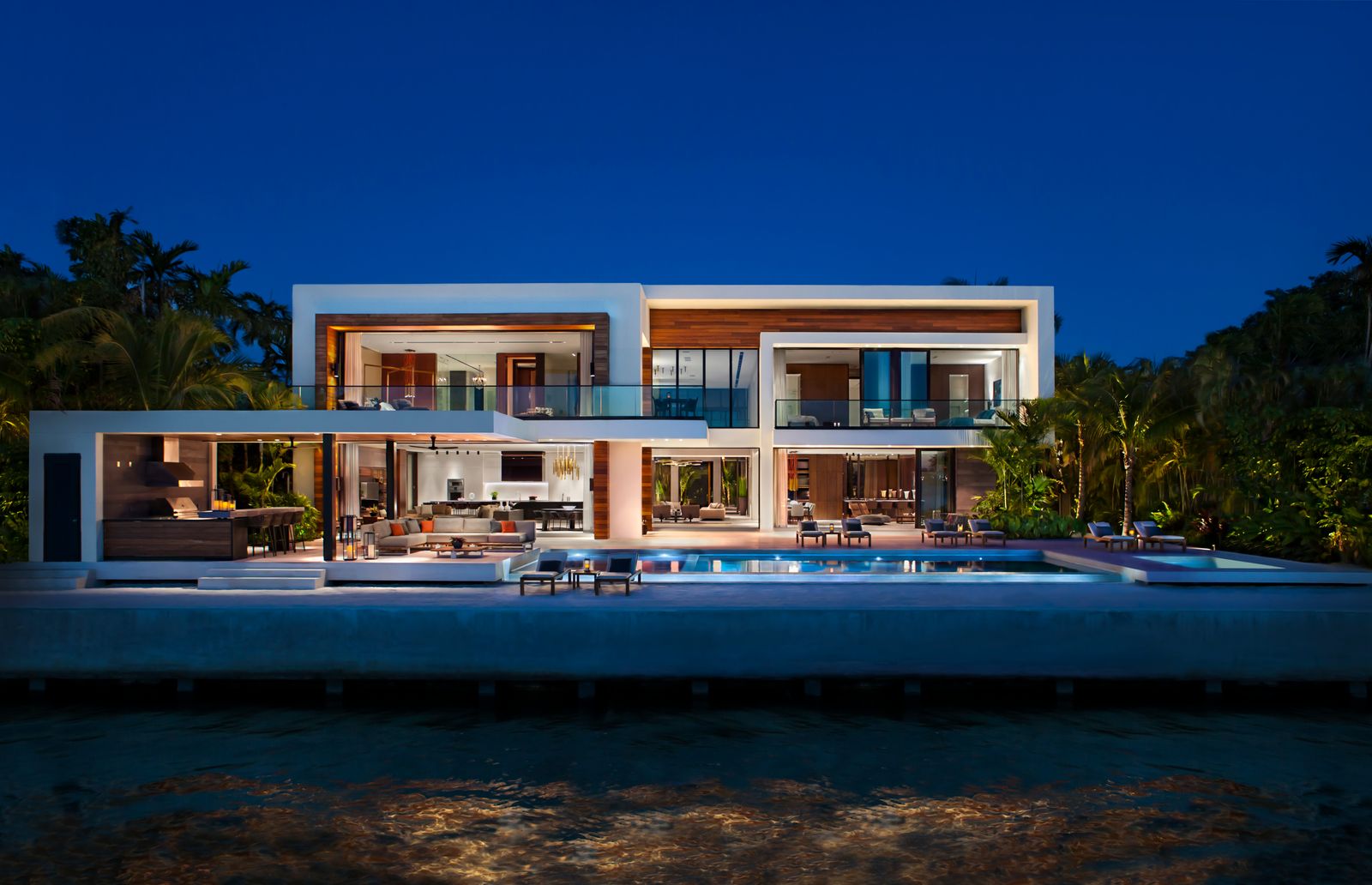
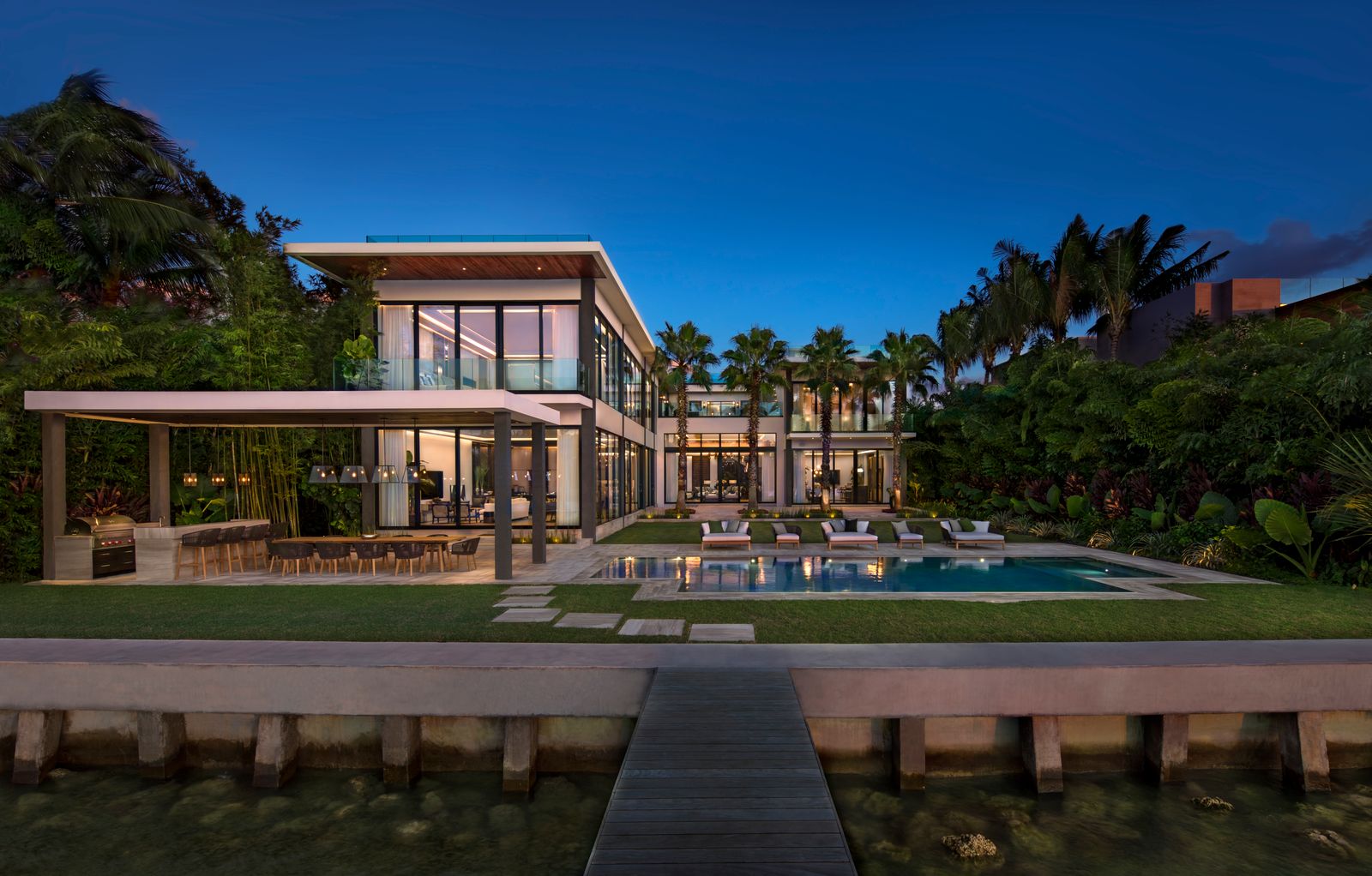
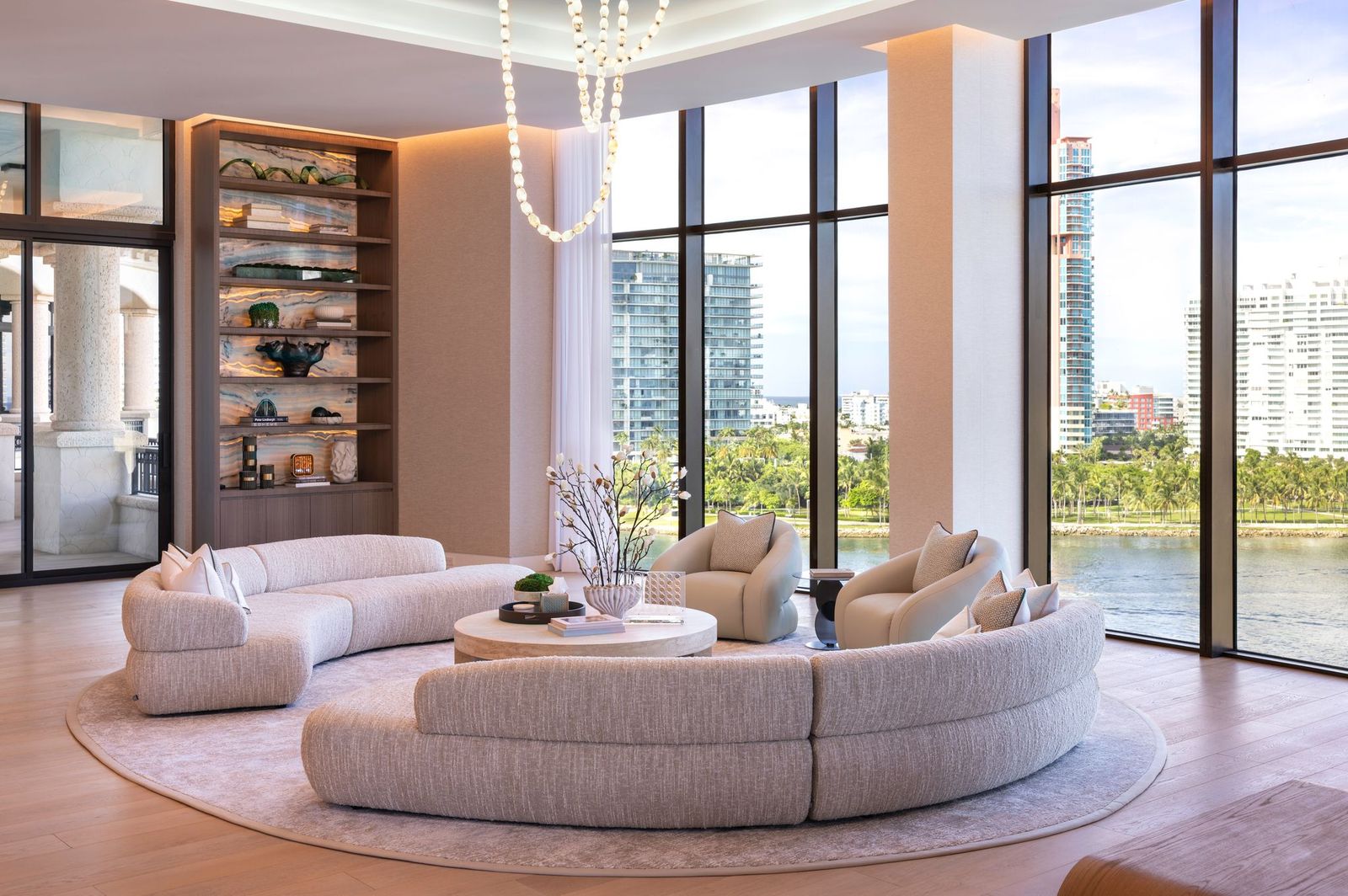
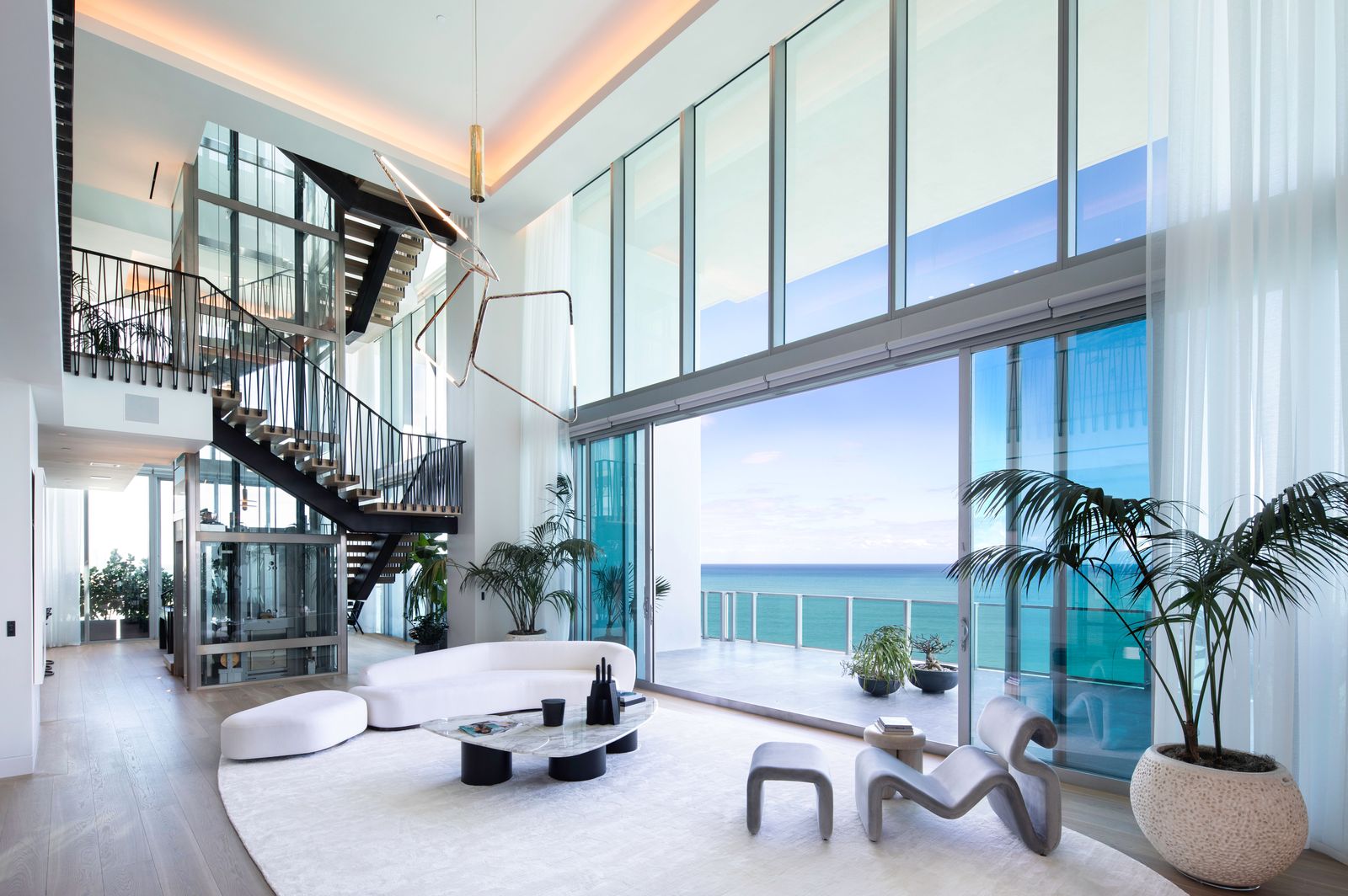
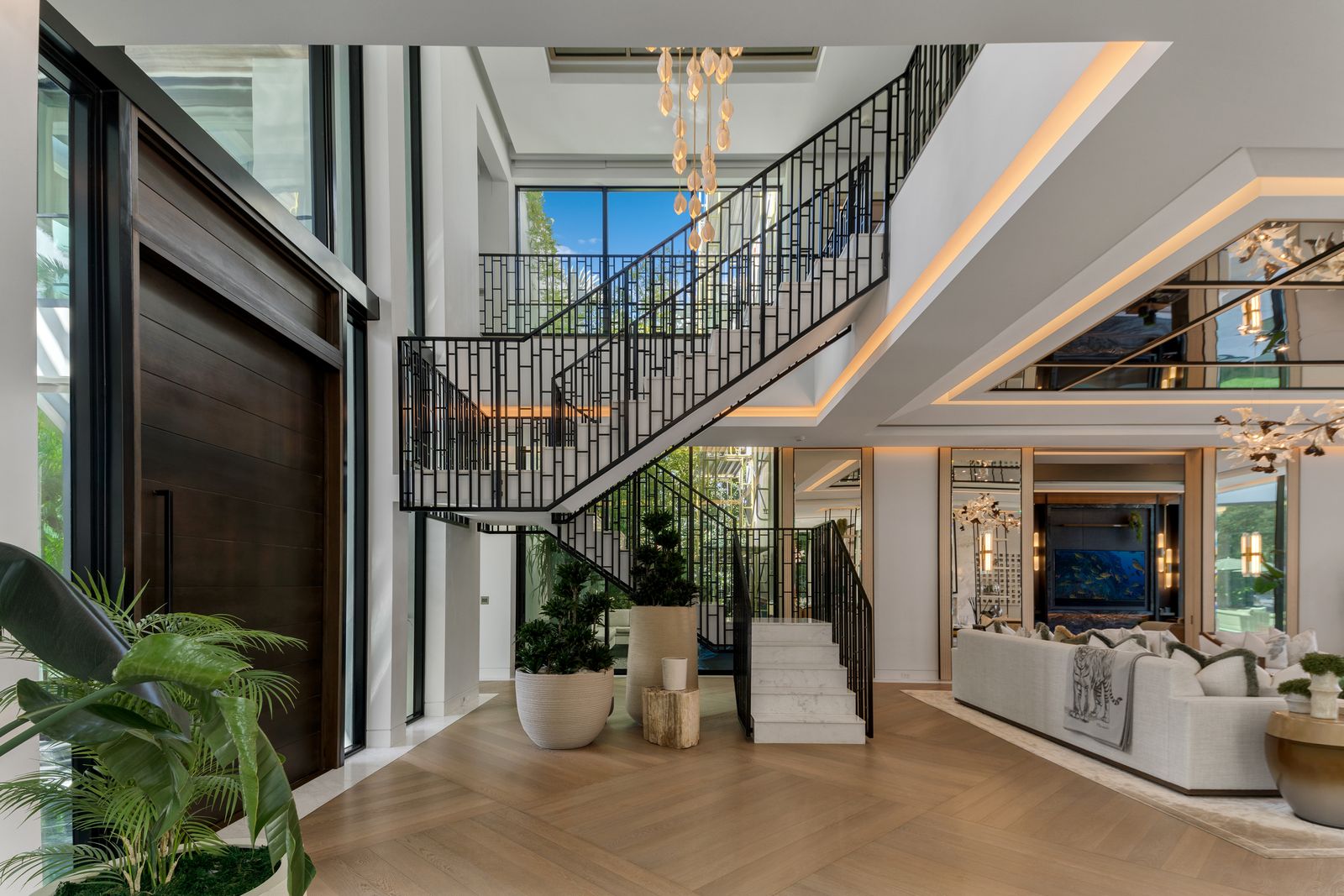
He has built 18 homes on the Sunset Islands alone since. Today, Bart Reines Luxury Homebuilder is the name behind some of the most expensive residential trades on Miami Beach, including the 14,270-square-foot North Bay Road spec estate that David and Victoria Beckham bought for $72.3 million in October 2024. Barry Sternlicht calls him “an artist who brings a new dimension to building,” while Lenny Kravitz calls him the “rockstar of construction.”
Almost none of this is spoken about publicly. Reines builds for clients who do not want their homes discussed, in a business where the builder is usually the last name mentioned and the first one blamed. He sat down with Traded for a rare interview about how the top of the Miami market actually gets built.
The reason his name does not circulate is structural. The overwhelming majority of what Reines builds is custom, commissioned by families who buy through trusts, who ask that an address never appear in a caption, and who treat a finished house as a private matter rather than a portfolio piece.
Many of those homes are never listed, toured, or photographed for a magazine. They are simply lived in.
A builder whose best work is invisible by agreement does not accumulate press, and Reines has never looked for it.
He has spent nearly three decades being recommended rather than discovered. Much of his business has grown through referrals from past clients, architects, designers, private bankers, and even neighbors who watched one of his homes take shape next door. That referral network has remained the foundation of the business, letting the work itself build the reputation.
The four-way table
Ask Reines what separates the projects that work from the ones that don’t, and he doesn’t talk about materials or budgets. He talks about who is in the room.
“It takes a village to build a home,” he says. “When you have the right team, you get a collaborative effort: the best design, the best construction techniques, and the best product for the client.”
His model is a four-way design team: the architect, the interior designer, the client, and himself. All four at the table, from the beginning. He prefers to be involved before the client has even bought the lot, advising on orientation, on what Miami Beach zoning will actually permit, on whether a different property down the street would serve them better.
In practice, the table is wider than four. Landscape architects, structural and civil engineers, lighting designers, systems and AV consultants, and the marine contractors who handle seawalls and docks all sit inside the same conversation, brought in early enough that their work shapes the design rather than being fitted around it afterward. The four principals set direction, with Reines coordinating the conversation from design through construction, his decades of experience setting the tone.
In Reines’ view, the best homes emerge when the architect and designer are supported by critical thinking from the client, builder, and broader project team.
“Having built so many luxury homes for so many clients, I have a deep understanding of what works for a homeowner in Miami Beach (the floor plans, the architecture), and being a master builder, I have deep expertise in the construction of the home and how to make it easy to care for and free of defects for the client.”
The hardest part of that job is not technical. It is human.
“A large part of my job is to have no ego, have no agenda other than to collaborate in the absolute best possible design for the client.”
“It’s a well-known fact that design professionals are artistic people, and artistic people are emotional and can hang on to their ideas even if it’s their first idea,” Reines says. “I try to take the ego out of the process and diplomatically work with the design team, so each home ends up original, rather than a repeat of something we’ve built before.”
It is also why Reines believes an experienced luxury home builder should be brought into the process early, while the major design decisions are still being made.
“Architects and builders naturally bring different perspectives to the process. A luxury home builder has the benefit of understanding construction costs firsthand and seeing the home through the entire process, from purchasing the property and design, through permitting and construction, to furnishing it and ultimately seeing how the homeowners live in and enjoy their new estate.”
Because Reines has developed and sold his own spec houses, he underwrites design decisions the way a buyer eventually will. “Having been a developer myself many times, I can offer advice that keeps the client from making a mistake about the floor plans, or just about any aspect of the home that might make it hard for them to resell.”
That is also where value engineering lives. “We can value engineer and give recommendations based on our knowledge of how much things cost,” he says. “We know where money is best spent and where it’s best not spent, where it doesn’t matter as much.”
What he builds
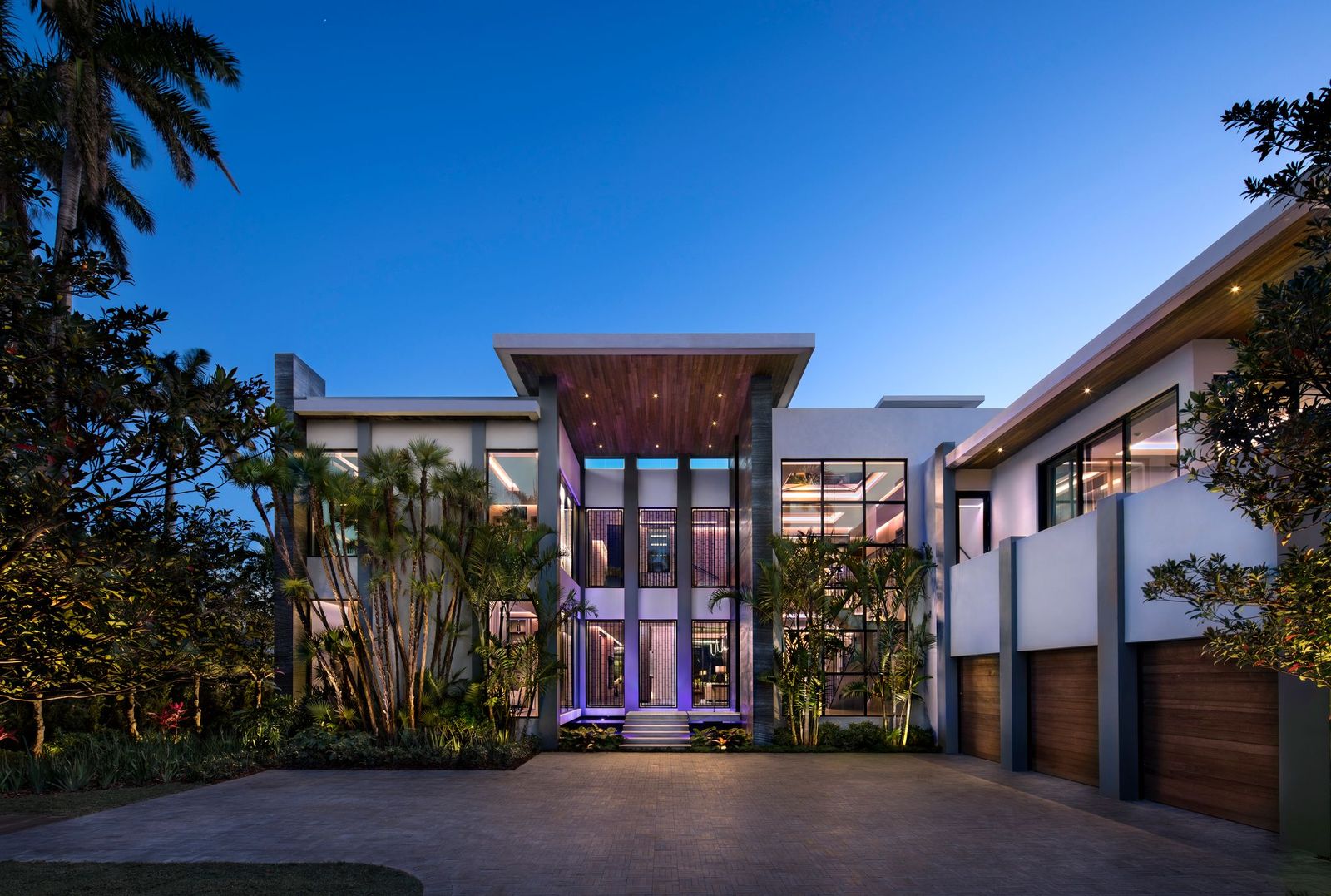
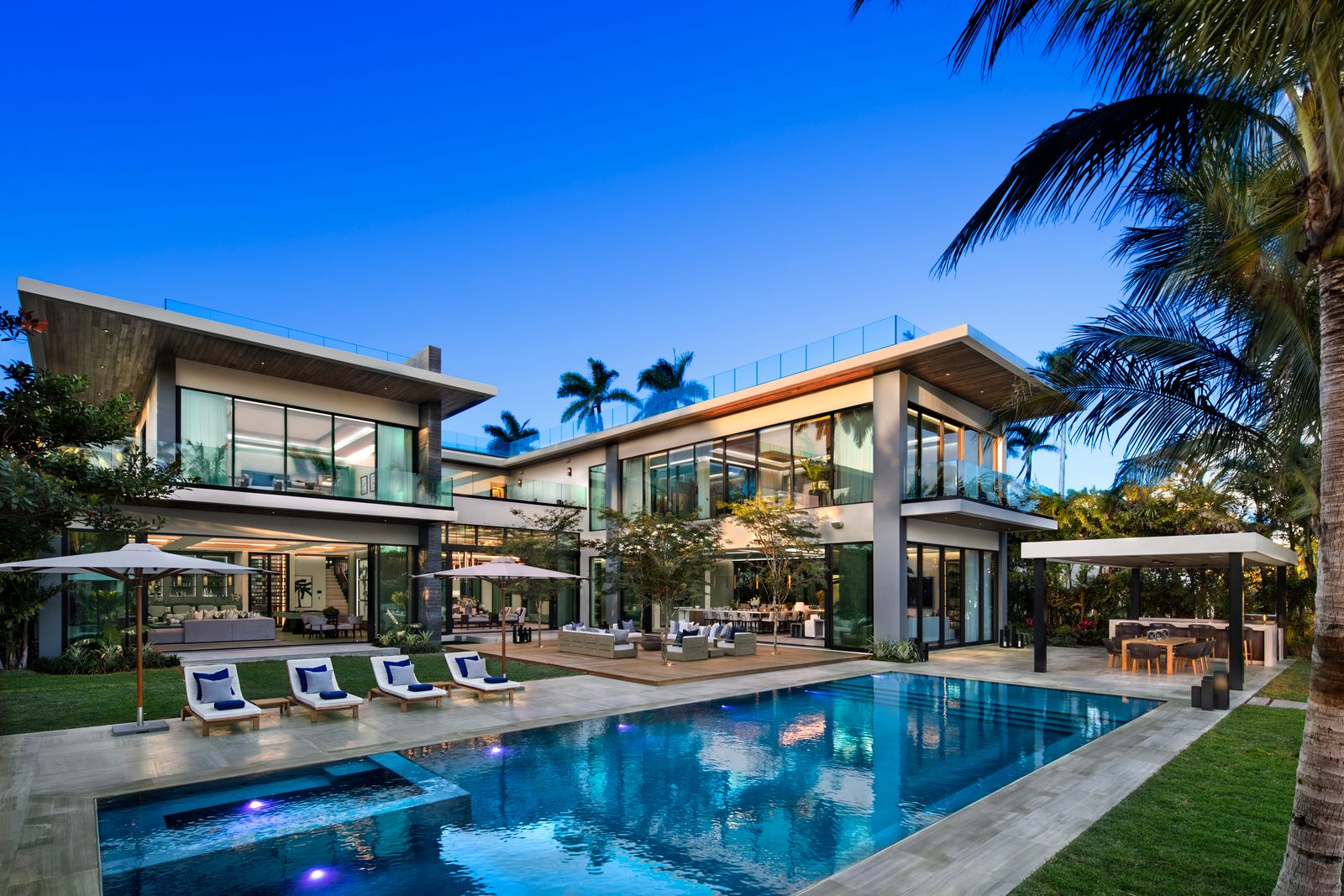
Today, Reines’ work is centered on ground-up luxury residences, alongside a steady book of high-end condominium renovations. His projects span many of South Florida’s most established luxury residential markets.
But the homes the public sees represent only part of the work. The majority are custom residences built for end users, homes designed to rival anything at the top of the market, but never intended to reach it. They are privately commissioned, privately occupied, and, in many cases, rarely seen outside the families and teams that created them.
He likes the condo work more than people expect. “You get to skip straight to the part I love most (the finishes that bring a luxury home to life) instead of spending a year building the concrete shell.”
Custom homes and spec homes are the same discipline, just pointed at different clients. On a custom project, the direction comes from the family, often several members of it. On spec, Reines imagines the buyer himself and designs for that person. “I have had multiple homes through the years, either as spec homes or as homes I’ve built for clients, that have sold for record-breaking prices.”
Every project, he says, is genuinely one-off. “No two details are ever the same throughout the entire project. It requires incredible attention to detail, and that’s our specialty.”
Outsiders underestimate the scale. Reines has numerous projects currently under construction, with more in the pipeline and many carrying total project values between $50 million and $150 million.
Construction costs vary widely depending on scope and finish level. On the upper end of the spectrum, one current project carries costs of more than $3,500 per square foot alone, before land, design fees, or furnishings. That figure isn’t typical (it reflects the extraordinary level of customization possible at the very highest end of the work), but it shows the ceiling of what’s achievable when a client wants no limits.
The market occasionally offers its own measure. On one condominium renovation currently underway, an unsolicited offer came in at more than $8,000 per square foot. The owner declined.
The public record offers only a glimpse of the homes Reines has built. Most are custom residences created for families with no intention of selling, and some of his most significant work has never appeared on the market at all.
When a Bart Reines-built residence does become publicly available, however, the numbers offer a rare window into the portfolio: 4736 North Bay Road, the estate the Beckhams bought, last asked $80 million in 2024. 1429 North Venetian Way last asked $65 million in 2025. This year alone: 6800 Fisher Island Drive, Residence 6802, at $85 million; 284 Bal Bay Drive at $78 million; and 58 La Gorce Circle at $68.5 million.
Five addresses, more than $375 million in last asking prices between them. And still only the visible fraction of nearly three decades of work.
Reines does not chase work or take on every project that comes his way. He prefers to become involved early, when his experience can have the greatest impact on the design, planning, and execution of the home, but the right project can enter his orbit at different stages. What matters more is the opportunity to contribute meaningfully and a shared commitment among the client and design team to getting the details right. His personal involvement remains central to the process, which means being selective about new work is essential.
Question every detail
Reines walks every job site every week, looking at every detail. His involvement peaks after the shell, when the concrete stops being abstract and the finishes have to land on it.
His stated method for managing construction risk is to question what the drawings show rather than build from them blindly.
“The risks are endless, and it requires that my team and I question every single detail we see on a plan,” he says. “Rather than just building per plan, we look forward to the finished project to ensure that what we’re building stays true to the final design.”
He is specific about what that catches. Was space allowed on the shell for the stone, the metal, the decorative elements that come later? Was the MEP set to accommodate the final interior design? “We never take a plan at face value. We confirm that every discipline is coordinated and stays true to the final design of the home.”
That discipline starts in preliminary design, not in the field. “We never design anything in the preliminary stages that can’t properly and expertly be built. In other words, we’re studying the constructability as the design evolves.”
On schedule, Reines’ answer isn’t what most people expect.
“You’d think the biggest threat to our schedule is keeping subs on track or having enough manpower on site. It’s not. In this business, delays almost always come down to waiting on answers: from the client, from the design team.”
His job, he says, is to hand the design team a calendar of decisions: the date the stone must be purchased, the millwork, the appliances. Deliverables in, schedule holds.
Changes are treated as inevitable rather than exceptional. “We attack the change with manpower, with critical thinking, with clear communication, so that it’s resolved quickly and reflected consistently across every discipline in the building plans.”
And in a market where salt, humidity, and sun do the quality control for you, material selection is not delegated. “We personally approve every material that is purchased for the project and stand behind its durability.”
The house as a resort
Most of Reines’ clients are building a second or third home. He designs and approaches every project accordingly.
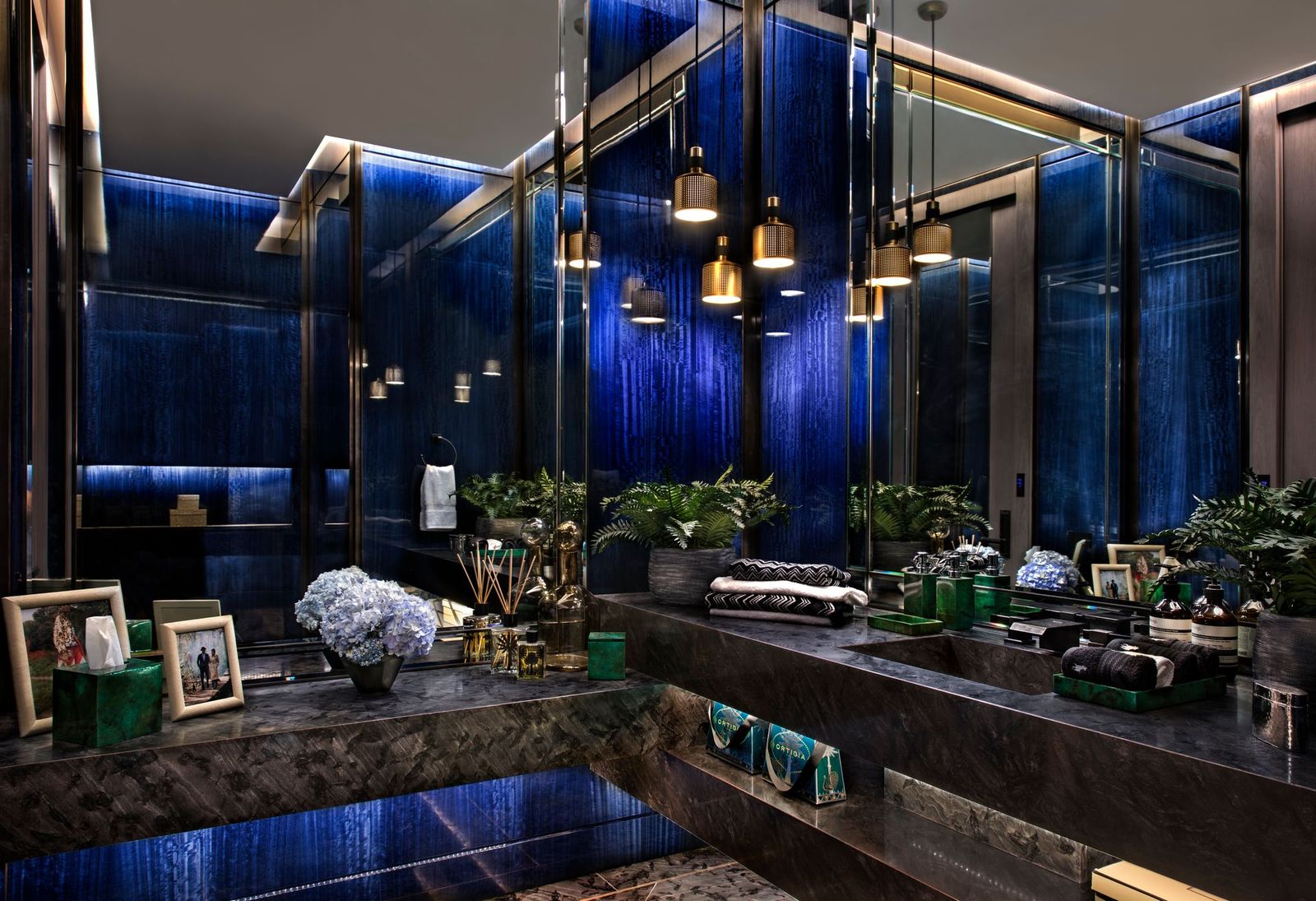
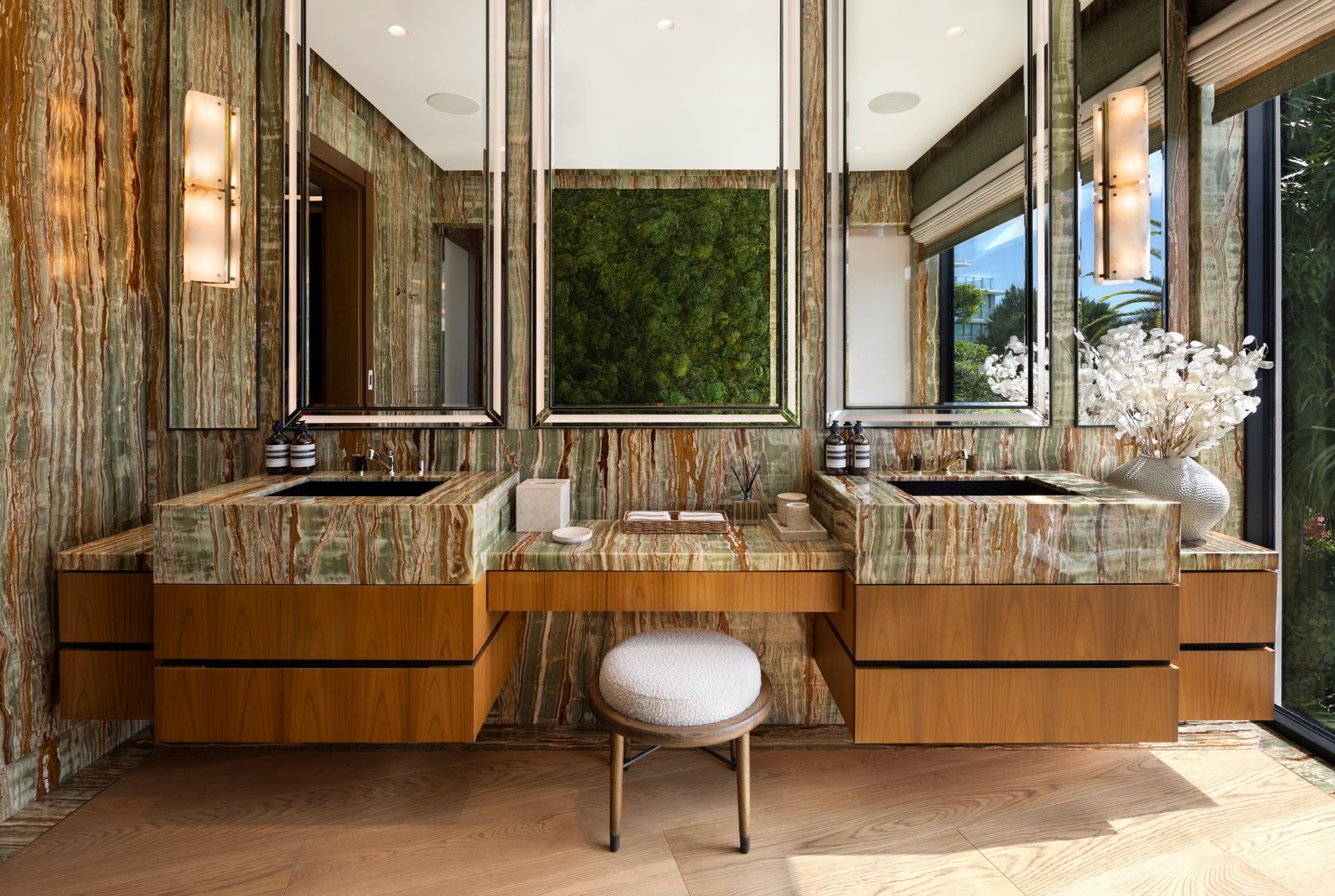
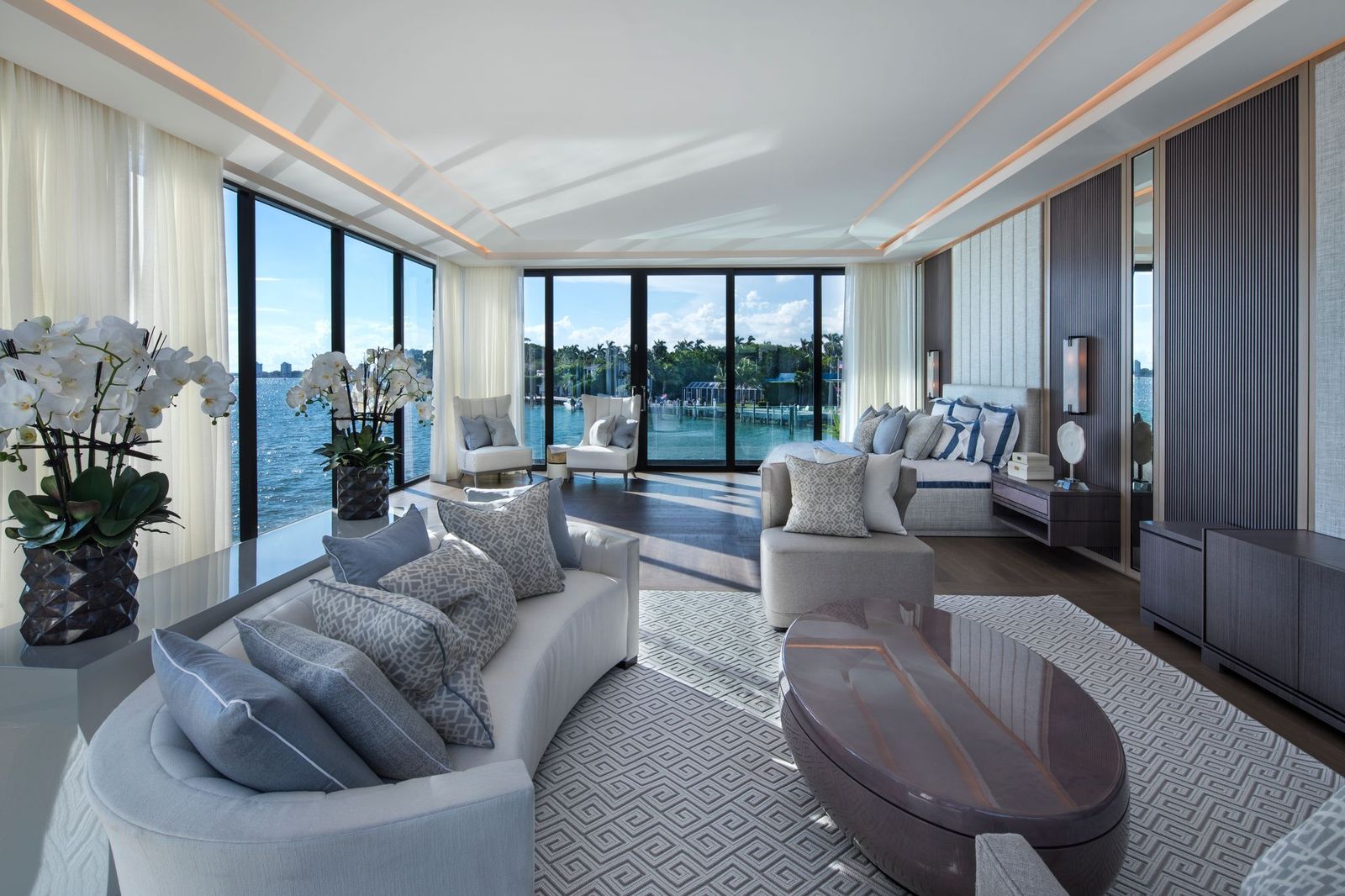
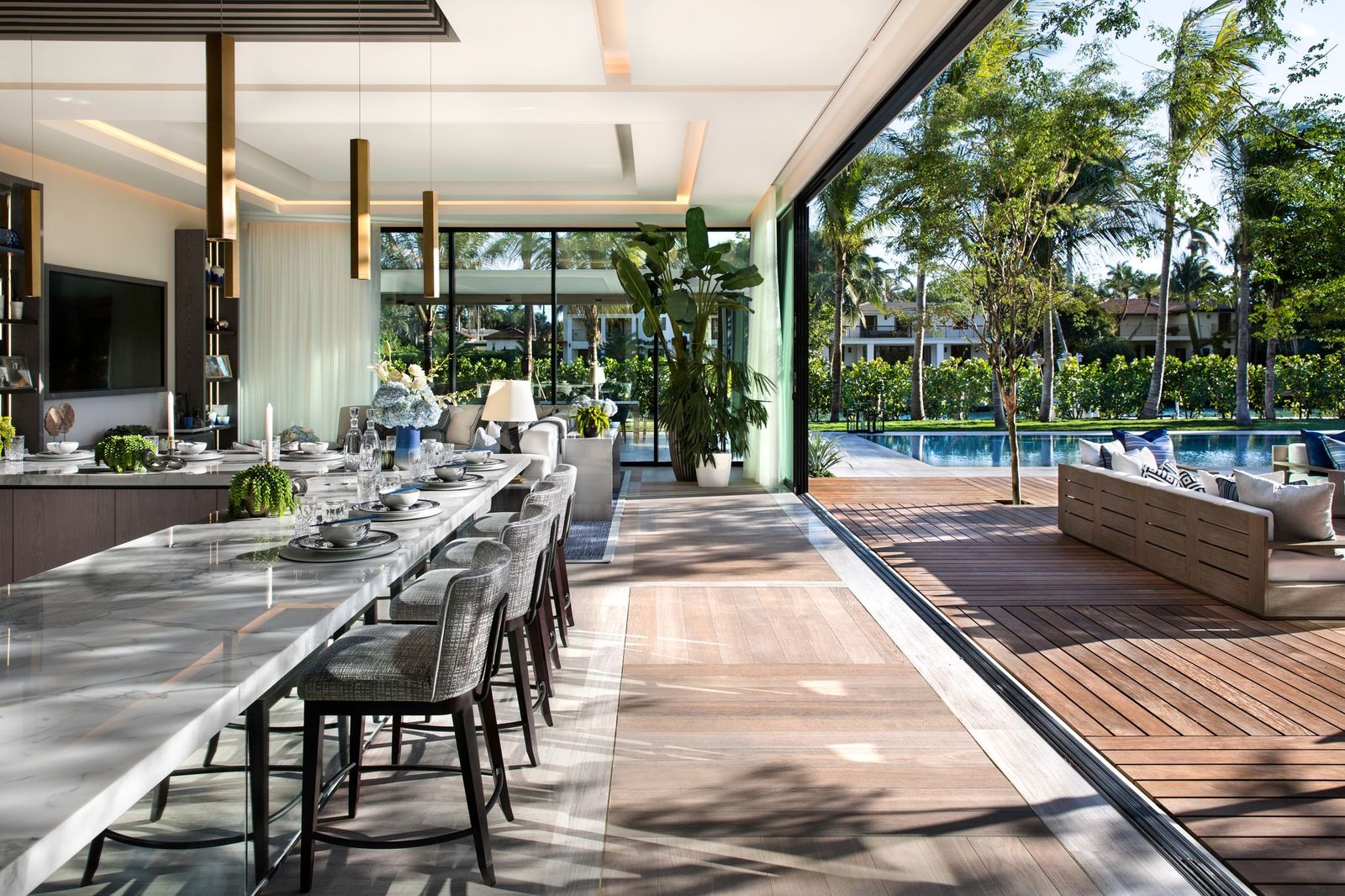
“I design the home like a resort, so that when they come to Miami they feel that they’re on vacation rather than in just another house that looks like all of their other homes,” he says. “They have an opportunity to create something entirely different from their main residence in New York, LA, or Chicago.”
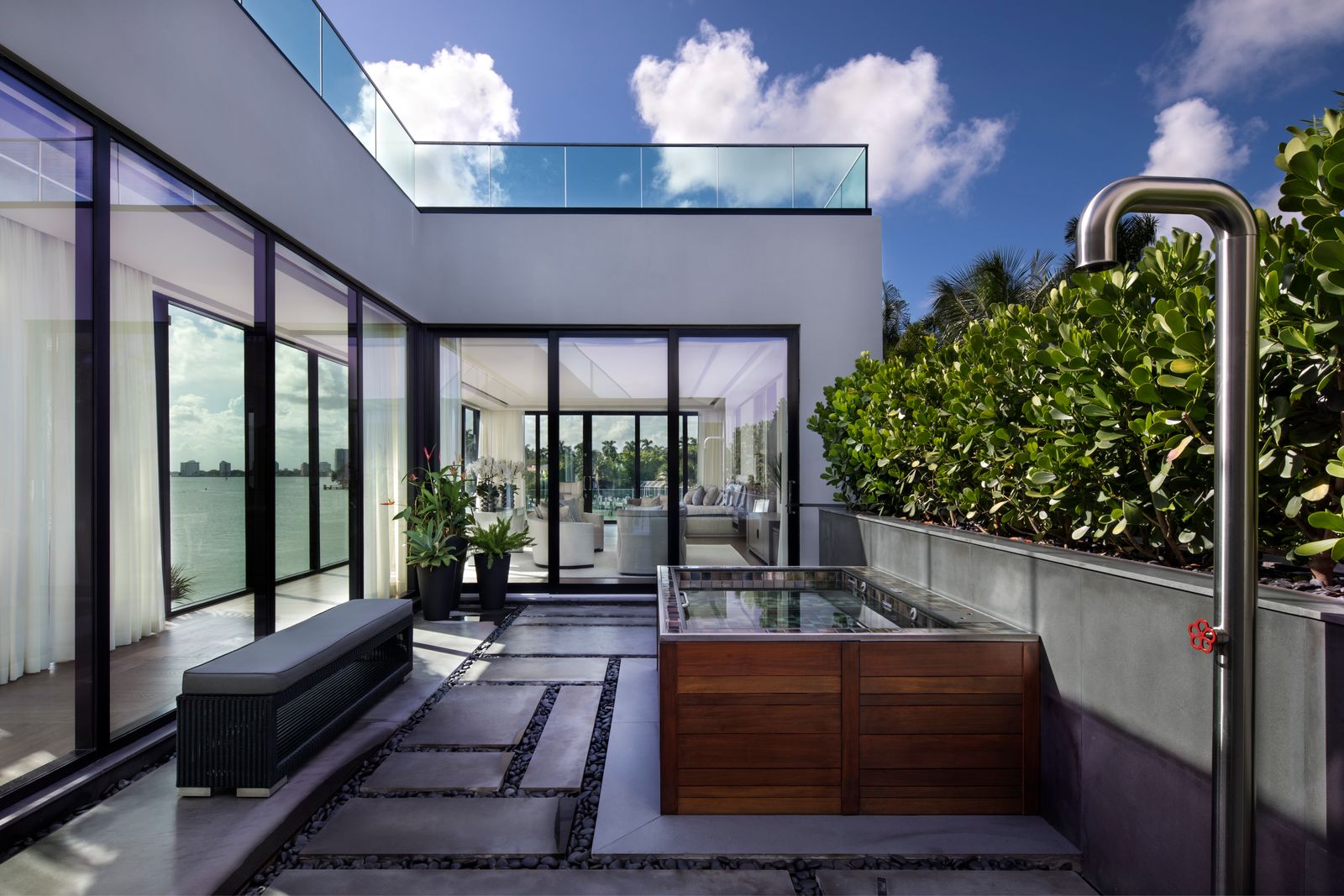
What they are asking for now is wellness, and they are asking for all of it: sauna, cold plunge, steam rooms, hammams, zen gardens. The less visible half matters as much. “Part of wellness is having the highest quality air filtration, water filtration, and lighting.”
Ask what most reliably adds long-term value, and the answer is not an amenity.
“The floor plan of the home and the site plan,” he says. “When we get the site plan and floor plan right, the home will have amazing resale value.”
That is also why he pushes clients toward new construction when the scope creeps. A light renovation of paint, millwork, wallpaper, a kitchen, or a bathroom makes sense. Changing windows and doors, moving rooms, adding square footage does not. “It requires a much larger part of the home to be demolished, only leaving the concrete shell. And the concrete shell is one of the cheapest parts of the home.”
The buyer at the other end of that decision is unforgiving. “Buyers in South Florida typically have multiple homes and are very well educated in high design. That buyer will find a home unattractive and will assume they’d have to gut the house.”
The market
Reines sees the forces driving Miami’s luxury market as more structural than cyclical.
“Miami is very attractive to people from all over the world. Not only because of our weather, but our quality of life and our favorable tax positioning,” he says. “As the world has been able to work remotely successfully for years, high-net-worth individuals no longer have to spend all their time in their offices and are happy to live in a beautiful place like Miami and work from home.”
The data is moving in the same direction at the top of the market. Miami Beach single-family sales rose 13% in the first quarter of 2026, the first increase since mid-2024, and the average price climbed 9% on the strength of ultra-luxury outliers, including a $170 million Indian Creek trade, according to Corcoran. Single-family inventory declined for the first time since 2023.
What is changing is the client. “They’re even more educated than ever, expecting and looking for the most amazing finishes, custom details, and the most striking design elements they can put in their homes.”
Asked what defines the next level of luxury, Reines does not hedge. “I like to think that all our homes now are the next level.”
His advice to anyone about to build at this level is to shop the advice itself. “Speak to various design professionals and don’t rely on any one opinion. I believe an experienced luxury home builder is uniquely positioned to advise on how to set up a successful custom project.”
Rapid fire
Most requested feature today
Cold plunge and padel court
One detail you never compromise on
The floor plan
One feature that consistently adds value
The floor plan
Build new or renovate
“Build new, for the long-term value and resale value of the home”
One element that defines an exceptional project
“My involvement”
Nearly three decades after a celebrity knocked on his door on Sunset Island 3, what keeps Reines at it is the opportunity to create something exceptional for each client.
“I really enjoy being able to build such beautiful works of art for my clients,” Reines says.
And when asked what separates his approach, Reines comes back to the same idea that runs through nearly every stage of his work: the builder’s involvement in design.
“What separates us from other builders is our experience in all aspects of custom home design and engineering. We’re deeply involved in every stage of design, not just the building of it. When you put together the designer and the builder, you really get the best product.”