

Oct 23, 2026
The 30-Second Site Test: How EPIRE’s Alessandro Bonati Is Betting on Luxury Condos and Disciplined Development
EPIRE founder Alessandro Bonati explains how a strict luxury-condo thesis, design-led architecture and practical amenities have carried the developer past 1 million square feet.
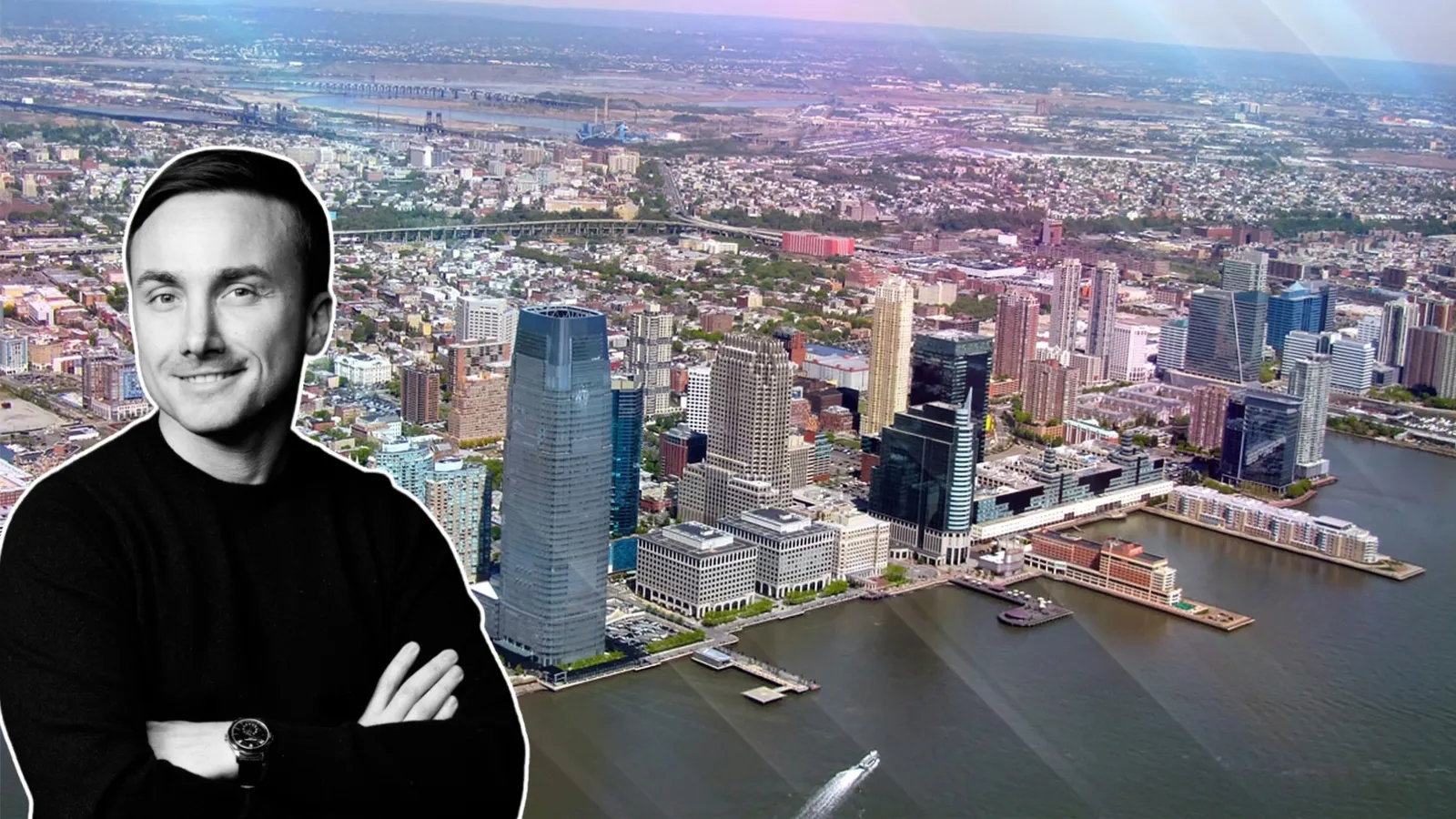

Traded Editorial
EPIRE founder Alessandro Bonati on crossing 1 million square feet, surviving COVID-era construction chaos, why parking still matters to luxury buyers, and the roughly 100-unit Hudson River condominium now moving toward approval.
For Bonati, real estate development starts with knowing what not to buy.
The EPIRE founder moved to New York from Italy after graduating around the time of the Lehman Brothers collapse. He saw the U.S. market recovering faster than Europe and decided to make the move. Fourteen years later, EPIRE has grown into a New York-based development and investment company. Since its founding in 2013, it has developed residential and commercial projects across the Tri-State area. Its Jersey City portfolio includes Galleria on Provost and One Jones Park, with sales led by Patrick Southern of SERHANT.
EPIRE has now crossed 1 million square feet when including projects currently underway. But despite that growth, the firm has no interest in chasing volume for its own sake.
The 30-Second Site Test
EPIRE sees plenty of opportunities, receiving two or three deals a day, but only seriously considers a handful each year.
"It takes me about 30 seconds right now to say yes or no as a first look"
The reason is a highly specific investment thesis centered around luxury condominiums, location, scale and architecture.
"We have a very specific investment thesis. So the location, the product, the architecture itself is very important"
That selectivity is clear in Jersey City, one of several Tri-State markets where EPIRE is active. There, the firm has completed projects in neighborhoods including Hamilton Park and the Powerhouse Arts District. One Jones Park, its 75-unit project in Hamilton Park, was completed in December 2025 and includes 90 parking spaces.
Galleria on Provost: A Project That Started Before COVID
The project the company is most proud of was also one of the company's toughest.
EPIRE purchased the land for Galleria on Provost, its first Jersey City project, in January 2020, just before the pandemic disrupted the entire development industry. Construction financing that had been around 4.5% climbed close to 10%, according to Bonati, while shipping costs tripled and materials became increasingly difficult to source.
Banks also pulled back from lending just as investors became increasingly nervous about New York's future.
"It was a lot of challenges and we came up on top at the end"
The experience on Galleria on Provost reinforced EPIRE’s preference for disciplined underwriting and strong relationships with capital partners. BHI, which financed Galleria on Provost, went on to provide a $38.7 million construction loan for One Jones Park.
Why Jersey City Needs to Offer More
Bonati's Jersey City thesis comes down to a simple question: Why would someone leave New York City?
For EPIRE, the answer is more space, parking and a high-end product at a lower price point.
The firm's average one-bedroom apartment in Jersey City is close to 800 square feet, compared with roughly 620 square feet in its New York projects
"What are the extras that we're gonna deliver for? Bring them here"
Parking is another major part of that strategy. the firm believes buyers leaving Manhattan often want a car, making dedicated parking a meaningful differentiator even in a market built around public transportation.
The strategy fits Jersey City's broader positioning as a Manhattan alternative. CityRealty reported that Downtown Jersey City condos were selling in the roughly $880,000 to $945,000 range in 2025, still offering a significant value proposition compared with comparable Manhattan product.
The Biggest Risk Is Execution
Today, EPIRE's biggest development challenge isn't necessarily equity or debt - It's finding the right contractor.
"The challenging part is finding the contractor that can do the execution"
The founder says even a contractor that performed well on one project can become a different risk depending on its personnel, superintendent or project manager.
For developers, that makes construction execution one of the biggest variables between a good acquisition and a successful development.
Italian Design Meets New York Expertise
Bonati has also carried his Italian background into EPIRE's design philosophy.
The company has imported Italian materials including kitchens, faucets, flooring and doors, while working with designers and architects who understand both Italian design and the realities of building in New York.
Bonati points to architect Stefano Pasqualetti as an example of that combination, with Italian roots and years of experience working in New York.
"You want that kind of local expertise as well"
The goal isn't to let architecture run unchecked. The firm believes developers need to give architects room to create while maintaining control over the budget.
Buyers Want Practical Luxury
EPIRE is also skeptical of the idea that every luxury condo needs an endless list of amenities.
For condo buyers, storage and parking tend to be more useful than elaborate facilities that look impressive in marketing materials. Gyms help sell buildings, but actual usage can be surprisingly limited.
Renters are different, he says. Rental residents tend to be more amenity-driven, with services such as gyms, doormen and concierge offerings carrying more weight.
That distinction can have a major impact on development economics. Developers may spend heavily on amenities to help sell or lease units, but the features that actually create value for residents aren't always the most expensive ones.
A New Hudson River Bet
EPIRE's next major focus is a new luxury condominium project along the Hudson River, with approximately 100 apartments and Manhattan views.
The firm is not yet disclosing the precise location, but the project is expected to include 150 parking spaces and residences ranging from one to four bedrooms.
The project is now moving toward site-plan approval, after which EPIRE expects to make a public announcement.
The project also reinforces the strategy that has defined Bonati's Jersey City work: create a luxury product that gives buyers something they cannot easily get at the same price across the Hudson.
Charleston Is Still on the Radar
Bonati isn't limiting his ambitions to the New York metro area.
EPIRE previously purchased a building in Charleston with plans to redevelop it, but the project was ultimately abandoned after the company was unable to secure demolition approval.
Bonati hasn't given up on the market.
"It's one of the towns where I definitely want to put my mark on it"
He sees Charleston as a walkable city with a European character and believes there is room for a more refined boutique residential product.
For now, however, the focus remains firmly on the Hudson River project.
The Developer's Biggest Lesson
After more than a decade in the business, Bonati's advice to first-time developers is blunt - know what's underground.
"Until you dig, you don't ever know what's hidden over there"
But his bigger lesson is about preparing for what can go wrong.
"Never ever think that things will go well"
Bonati says developers should always build their business plans around the worst-case scenario. From his own experiences, including COVID-era financing complications, construction delays, and more, you always have to anticipate trying situations and get ahead of them. This has made EPIRE more nimble over the years.
The company is perpetually looking for land and opportunities that make sense for the future, knowing things can change in the blink of an eye.
Past experience, both positive and negative, has shaped the business and paved the way for continued growth and success.