

Aug 7, 2026
St. Petersburg Breaks Ground on First 3D-Printed Affordable Home
St. Petersburg, Florida, has begun construction on its first 3D-printed home as part of an initiative to develop 150 affordable single-family homes using robotic concrete-printing technology.
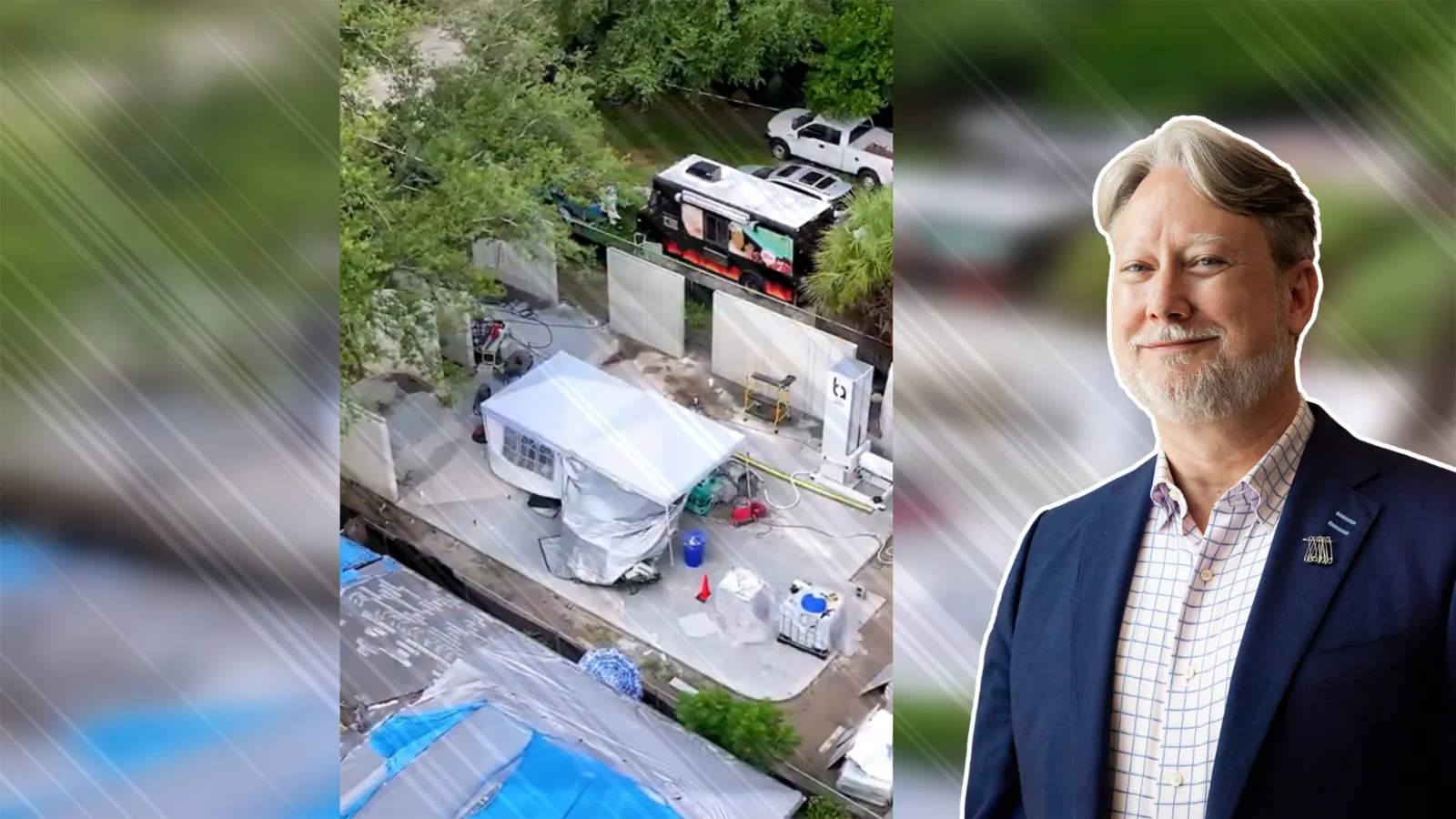

Traded Editorial
- St. Petersburg, Florida, has officially broken ground on its first 3D-printed home as part of the city's affordable housing initiative.
- Bright Community Trust is constructing the home using robotic concrete-printing technology, with the city aiming to develop 150 affordable single-family homes on city-owned land.
- While supporters say 3D printing can significantly reduce construction time, experts note the technology still faces challenges related to cost, scalability, and construction limitations.
What the Affordable Housing Project Includes
The City of St. Petersburg has launched construction on its first 3D-printed affordable home, marking a new step in its effort to expand homeownership opportunities for moderate-income residents. The project is being developed by Bright Community Trust, which is using a robotic arm to print the home's exterior walls by layering liquid concrete. Once completed, the home will be sold to a qualified buyer earning up to 120% of the Area Median Income (AMI), while the city leases the land at a reduced cost to help keep housing more affordable. The initiative is part of a broader plan to eventually develop 150 affordable single-family homes on city-owned lots throughout St. Petersburg.
What Makes 3D-Printed Construction Different
Unlike traditional homebuilding, the robotic printer constructs the home's exterior shell in continuous layers of concrete, dramatically reducing the time required to complete the structural walls.
According to Nick Bradford, owner of Structures Group, the technology has the potential to speed up construction considerably.
"You're talking something that might be a two- or two-and-a-half-week process can be squeezed down into a day and a half, maybe two days."
Despite those efficiencies, the home still requires traditional construction methods for roofing, plumbing, electrical systems, windows, insulation, drywall, and interior finishes. The project must also comply with Florida's building codes and standard permitting requirements like any conventional home.
What Experts Say About the Technology
Although 3D-printed homes continue attracting attention nationwide, many industry professionals believe the technology is still in its early stages. Large concrete printers remain expensive to purchase and transport, and they cannot complete every aspect of home construction. Experts also point to challenges involving multi-story construction, environmental concerns tied to concrete production, and long-term repair flexibility. Several high-profile projects across the United States have also experienced delays or cancellations, suggesting that widespread adoption will likely require further technological and regulatory advancements.
What This Means for Affordable Housing
St. Petersburg's pilot project demonstrates how cities are exploring innovative construction methods to help address housing shortages while reducing construction timelines. If successful, the initiative could become a model for future affordable housing developments that combine new technology with publicly owned land. While 3D printing is unlikely to replace traditional homebuilding anytime soon, it may become another valuable tool for delivering housing faster and more efficiently as the technology continues to evolve.