

Sep 29, 2026
Russell Galbut Pitches 70-Story Tower Beside Historic Miami-Dade Courthouse
Russell Galbut's GFO Acquisitions proposes a 70-story residential tower next to Miami-Dade's historic courthouse, aiming to fund preservation through property-tax revenue from the new development.
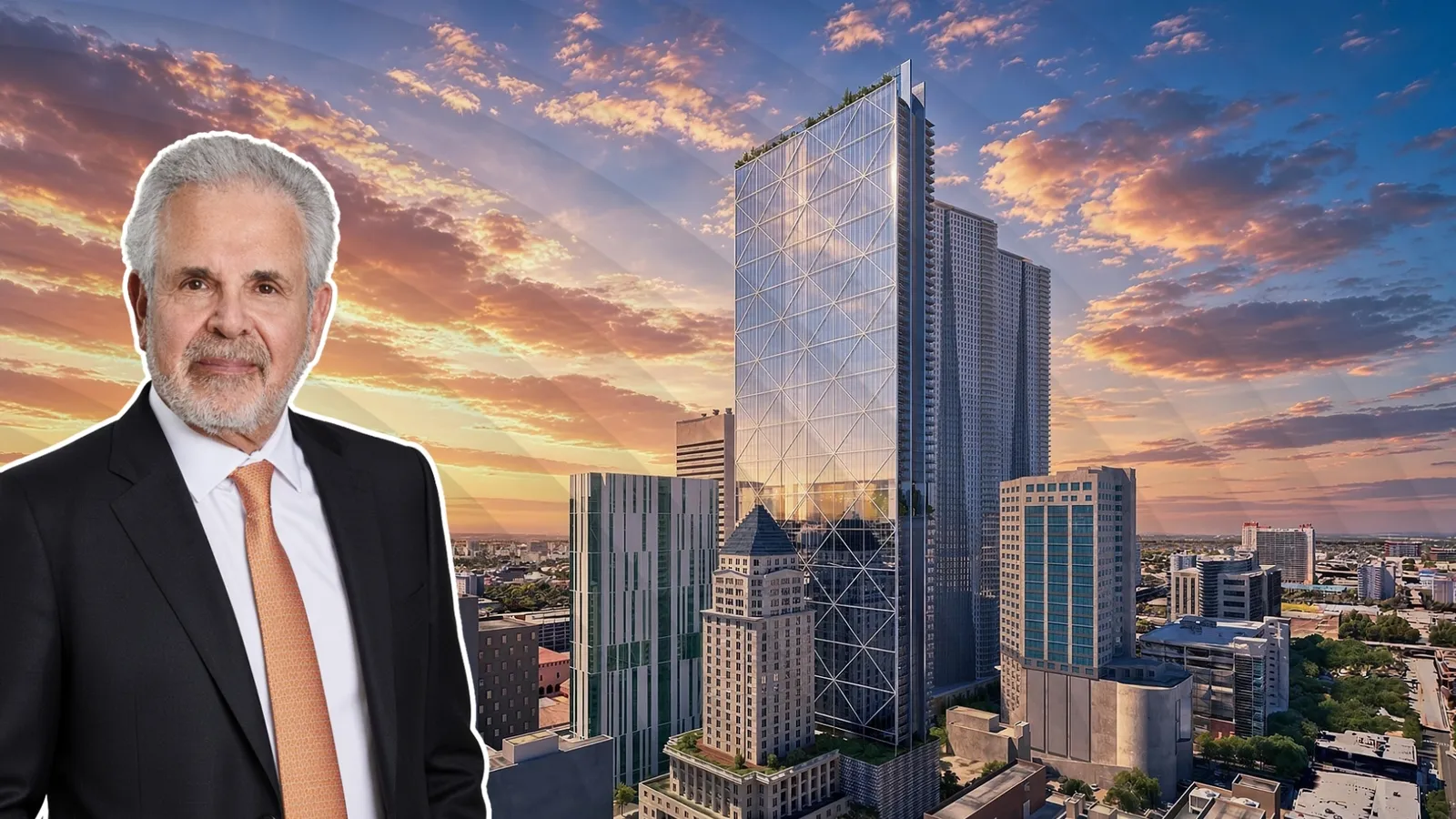
Image by GFO Acquisitions

Traded Editorial
- 73 W. Flagler Street, Miami, FL: Russell Galbut’s GFO Acquisitions is pitching a 70-story residential tower next to Miami-Dade’s historic 1928 courthouse as part of a plan to preserve and reactivate the landmark.
- The proposal would pair the new tower with restaurants, cafés, hotel rooms, offices and retail inside the existing courthouse, while using property-tax revenue from the new development to fund long-term preservation.
- Miami-Dade’s courthouse auction has received no bids, despite a minimum price of $35.41 million, putting renewed attention on alternative redevelopment proposals.
What Galbut Is Proposing
Russell Galbut, chairman of GFO Investments and a prominent South Florida developer, has submitted a new proposal through GFO Acquisitions to acquire the courthouse and build a narrow 70-story apartment tower immediately alongside it. The concept would add new residents and street-level activity to Flagler Street while creating an income-producing component capable of helping offset the cost of maintaining the historic structure. Galbut previously pursued a courthouse redevelopment deal with Miami-Dade, but county negotiations ended before the property went to auction.

What The New Tower Would Add
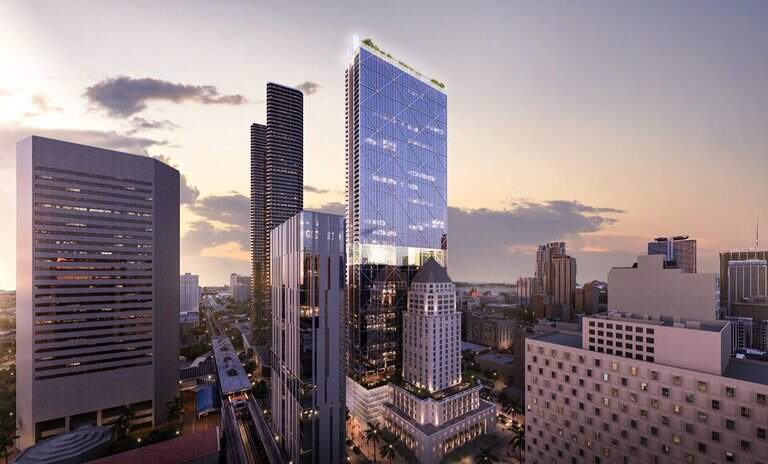
The proposed tower would be approximately 70 feet wide, extending from Northwest First Street toward the rear entrance of the courthouse. Galbut envisions apartments above a ground-floor connection that would link residents and visitors with the historic building. The proposal would also introduce restaurants and shops at street level, with the goal of bringing more pedestrian activity to a portion of downtown Miami that typically becomes quieter after business hours.
What Happens To The Historic Courthouse
Galbut's plan calls for converting the existing courthouse into a mix of hotel rooms, office space and restaurants, along with a speakeasy-style bar in the former jail area near the top of the building. The proposal would also restore the building's distinctive pyramid roof illumination. Some portions of the northern entrance and courthouse steps would temporarily be removed for construction and reconstructed as part of the new complex. The courthouse was completed in 1928, designed by A. Ten Eyck Brown and August Geiger, and is listed on the National Register of Historic Places. Miami-Dade expanded its historic protections in 2020 to cover significant interior areas including the lobby, atrium and six courtrooms.
What The Tax Strategy Looks Like
The most unusual part of Galbut's proposal is the financing mechanism. GFO would pay $35 million for the property and continue paying taxes on the existing courthouse and land. For the new tower, however, Galbut proposes directing the county portion of property taxes generated by the project toward maintaining the historic courthouse instead of sending those dollars to the county's general purposes. City, school board and state-related taxes would continue to be paid normally. The approach is designed to create a long-term preservation funding stream without requiring Miami-Dade to carry the full maintenance burden.
What The Failed Auction Means
Miami-Dade moved court operations to the new Osvaldo N. Soto Miami-Dade Justice Center across the street in 2025, leaving the historic building available for adaptive reuse. The county subsequently launched an online auction with a minimum bid of $35.41 million, but multiple auction extensions have produced no successful bidder. Galbut is not the only developer interested in the property. Moishe Mana, through Fortuna Group Enterprises, separately proposed paying $5 million and converting the courthouse into a cultural destination with art galleries, design studios, fashion showrooms and event space. For Miami's development community, the competing proposals highlight the challenge of making a century-old landmark financially viable while preserving its historic character.