

Sep 3, 2026
Miami Dade College Takes Over Historic Tower Theater Set to Reopen Dec. 10
Miami Dade College will resume management of the historic Tower Theater on November 1, 2026, with a reopening planned for December 10, following necessary facility upgrades.
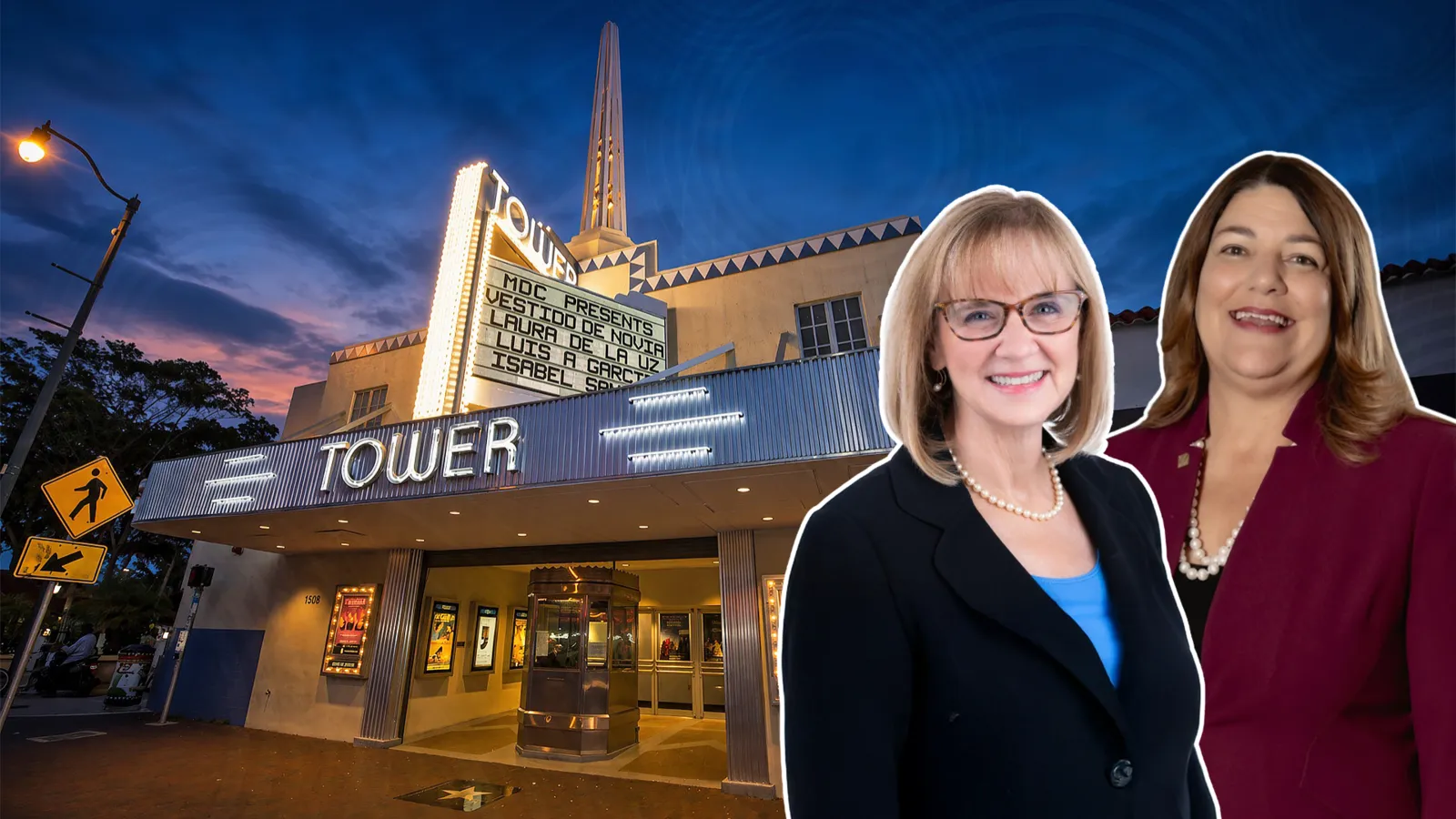
Image courtesy of Miami Dade College

Traded Editorial
- Address: 1508 SW 8th Street, Miami, FL 33135, in Little Havana.
- Miami Dade College is scheduled to resume responsibility for the historic Tower Theater on November 1, 2026, ahead of a planned December 10 reopening.
- The college is planning improvements to projection and screening technology, electrical systems, air conditioning, roof conditions and other building systems.
- The theater dates to 1926 and remains one of Miami's best-known cultural landmarks, with a long connection to film and the Cuban-American community.
What Is Planned for the Tower Theater
The historic Tower Theater in Little Havana is preparing for another chapter as Miami Dade College (MDC) gets ready to take over its management on November 1. MDC has been working with the City of Miami on the transition and has completed a comprehensive walkthrough of the property. The college is now developing a maintenance and enhancement plan focused on bringing the theater's facilities and technology up to modern standards. The planned work includes upgrades to projection and screening equipment, electrical systems, air conditioning and roof conditions, along with other facility improvements.
What the December Reopening Means
The public reopening is scheduled for December 10, 2026, giving the college a short window between assuming responsibility for the property and welcoming audiences back. MDC also plans to launch a new Tower Theater website and visual identity in October. Bookings for 2027 are expected to reopen around the same time, signaling that the venue is being prepared for continued programming rather than simply preserved as a historic building. The theater currently features two auditoriums with capacities of 250 and 93 seats, and its programming has historically included independent and international films, cultural events and educational programs.
What Makes the Historic Theater Important
The Tower Theater opened in December 1926 and was redesigned in 1931 by architect Robert Law Weed, giving it the Art Deco appearance that remains one of its defining features. The building was designated a City of Miami historic site in 2013. Its importance extends beyond architecture. During the 1960s, as Cuban immigration transformed the surrounding Calle Ocho neighborhood, the Tower became an important gathering place for the growing Cuban-American community. The theater began showing English-language films with Spanish subtitles and eventually Spanish-language films, helping generations of newcomers connect with American culture through cinema.
What Miami Dade College Will Bring Back
MDC has a long relationship with the Tower Theater. The college previously managed and operated the venue, and the city approved a new management arrangement that will return responsibility to the institution. MDC's existing connection to the Miami Film Festival also gives it an established platform for film programming. The Tower Theater has served as a year-round home for the festival and has supported independent, international and culturally focused cinema. While the full programming schedule for the reopened theater has not yet been announced, the planned reopening and 2027 booking schedule suggest the venue is intended to remain an active part of Miami's cultural scene.
What Happens Before the Doors Reopen
The next two months will focus on the transition from the City of Miami back to Miami Dade College. The city will remain the owner of the historic property, while MDC is expected to assume responsibility for its operation on November 1. With the theater approaching its 100th anniversary, the December reopening will be more than a return to regular screenings. It will mark the next stage for one of Little Havana's most recognizable landmarks, combining preservation of its historic character with improvements intended to support contemporary film and cultural programming.