

Oct 15, 2026
Holder-Pankow-TEC Delivers $1.3B Burbank Airport Terminal in 33 Months
Hollywood Burbank Airport's new terminal, named Elevate BUR, is a $1.3 billion project spanning 355,000 square feet with 14 gates, operational since October 13, 2026.
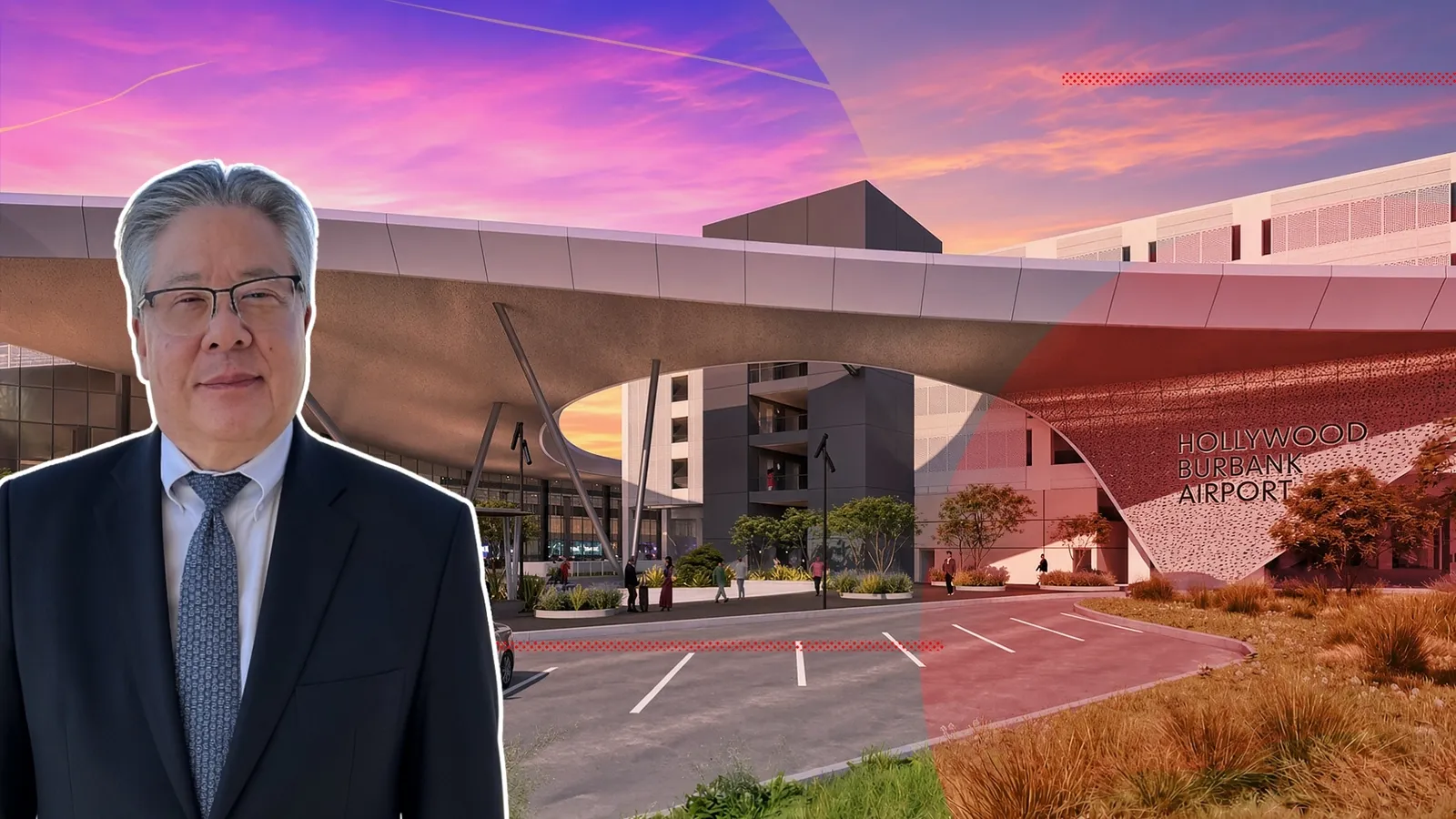
Image courtesy of Hollywood Burbank Airport's website

Traded Editorial
- $1.3 billion project: Hollywood Burbank Airport's new terminal spans 355,000 square feet and began passenger operations on October 13, 2026.
- 33-month construction timeline: The Holder-Pankow-TEC joint venture delivered the terminal from groundbreaking to opening.
- 14 passenger gates: The facility replaces the airport's aging 1930s-era terminal with modernized passenger facilities.
- Major infrastructure upgrade: The project includes a parking structure with more than 2,000 spaces, new roadways and airfield improvements.
What Did Holder-Pankow-TEC Deliver at Hollywood Burbank Airport?
Holder Construction, Charles Pankow Builders and TEC Constructors & Engineers have completed the new passenger terminal at Hollywood Burbank Airport, delivering a $1.3 billion infrastructure project in approximately 33 months. Known as Elevate BUR, the 355,000-square-foot terminal officially began serving passengers on October 13, replacing the airport's outdated terminal with a modern facility designed to improve safety, accessibility and passenger circulation. The Burbank-Glendale-Pasadena Airport Authority owns and operates the airport. The project team includes architects Corgan and CannonDesign, with Burns & McDonnell providing additional design and engineering services.
What Does the New Terminal Include?
The replacement terminal maintains 14 passenger gates while introducing updated facilities designed to handle modern travel demands. Key features include expanded ticketing and security areas, upgraded baggage systems, retail and dining options, and improved passenger circulation. The broader project also includes a concrete parking structure with more than 2,000 spaces, new access roads, airfield paving and stormwater management improvements. The new terminal sits farther from the runways than the former building, addressing longstanding aviation safety concerns. It is also designed to meet current earthquake-resistance and accessibility standards. The airport has said the facility is designed to accommodate up to six million passengers annually, positioning it to support regional travel demand while retaining Burbank's appeal as a convenient alternative to larger Los Angeles airports.
How Was the $1.3B Project Funded?
The terminal is one of Southern California's major recent transportation infrastructure investments. Its funding structure relies on airport resources rather than direct contributions from the cities of Burbank, Glendale and Pasadena. Funding sources include federal airport improvement grants, passenger facility charge revenue, airport funds and general airport revenue bonds. Airport revenues, including parking fees and concession income, also play a role in supporting project financing. Official project materials previously estimated the total cost at approximately $1.2 billion. The more recent $1.3 billion figure reflects the reported project value as the terminal reached completion. For investors, the project illustrates how major public infrastructure can be financed through a combination of grants, user fees and debt backed by operating revenues.
What Does the Project Mean for Southern California Real Estate?
Airport infrastructure can influence surrounding commercial property markets by improving regional connectivity and supporting business activity. Modern passenger facilities, parking capacity and transit access can make nearby locations more attractive to employers, hotel operators, retailers and other businesses. The new terminal also demonstrates the value of coordinated design-build delivery on complex infrastructure projects. Bringing construction, engineering and design teams together under one delivery structure can help align project execution, although performance depends on project scope, procurement and risk management. For commercial real estate investors, the completion of Elevate BUR is a significant regional infrastructure milestone. Its long-term economic impact will depend on passenger growth, airport revenue performance and continued demand for nearby commercial properties.