

Nov 14, 2026
Fortec’s Pablo Barreiro on Building a Nationwide School Real Estate Platform
The Miami-based developer has completed 40 projects across 15 states, betting that America’s shortage of preschool and school facilities creates a major opportunity for investors.
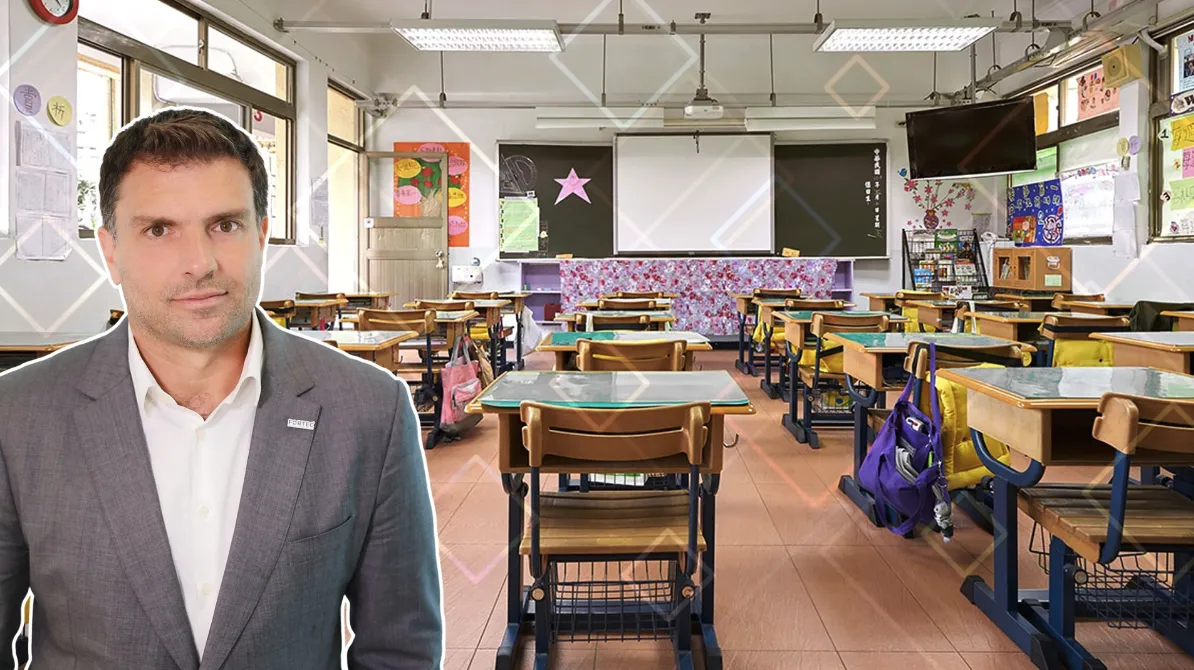

Traded Editorial
While much of commercial real estate capital remains concentrated in multifamily, industrial, and office, Pablo Barreiro is building Fortec around a less conventional asset class: educational real estate.
The company develops purpose-built preschools and private school facilities, partnering with operators that need space to expand. What began with a preschool property in Hollywood, Florida, has grown into a national platform with 40 completed projects across 15 states, according to Barreiro.
The opportunity, he believes, is hiding in plain sight. Communities need more schools, operators need facilities, and institutional investors have not fully recognized the real estate opportunity behind the demand.
From Traditional Real Estate to Educational Development
Barreiro entered the U.S. real estate market in 1999 and worked across multifamily, office, and retail before focusing on educational properties. He pursued a law degree because he saw legal expertise as another important tool for becoming a better developer.
The shift began when he and his business partner, Martin Saidon, identified a preschool property in Hollywood. While underwriting the asset, they became interested in the tenant and the broader industry.
“We start talking to a tenant and say, do you want some developer to keep you growing?” Barreiro recalled.
The response was yes. As they researched the sector, they found a market with substantial demand but relatively few developers specializing in purpose-built educational facilities.
That discovery became Fortec’s business model. The company now focuses on developing schools and preschools across the country rather than spreading its resources across multiple property types.
The Investment Thesis: Demand Without Enough Supply
Barreiro says the need for early education facilities extends well beyond South Florida. He cited an estimate that 46% of the U.S. population lives in what he described as preschool deserts, where demand is three times available supply.
The company has expanded beyond the Sunbelt into Illinois, Washington, Wisconsin, Kentucky, and other markets. Barreiro said projects in Illinois and Washington were especially important because they demonstrated that Fortec could successfully enter regions outside its original footprint.
External industry coverage has also highlighted the opportunity. A recent REJournals feature described educational real estate as an overlooked commercial property category, noting that school facilities require specialized planning around safety, outdoor space, traffic flow, and community needs.
For investors, Fortec's thesis is that demand for education space can support a distinct real estate investment strategy, particularly where traditional developers have not focused their attention.
How Fortec Reduces Development Risk
Fortec does not want to buy a vacant property and figure out the business plan afterward.
Barreiro explained that the company secures tenant leases and required entitlements before purchasing a property. That allows construction to begin once the acquisition closes and reduces the uncertainty investors face when backing a development project.
The company also works with operators early in the design process, bringing architects and general contractors into discussions before plans are finalized. That collaboration creates opportunities for value engineering and cost reductions.
The objective is to deliver a school at the lowest sustainable cost, rather than build an expensive facility that forces the tenant to pay rent it cannot comfortably afford.
“We're going to try to always try to charge the least amount of rent,” Barreiro said, referring to the need to cover project costs while preserving the operator's economics.
That focus on tenant financial health is central to the model. A school may have strong demand, but its ability to pay rent depends on enrollment, payroll, and operating expenses.
A $100 Million Fund Focused on Early Education
The firm is also building an investment platform around the asset class. The company has launched Fortec Fund I, a $100 million vehicle focused exclusively on early childhood education real estate. Barreiro announced a $30 million commitment to the fund in 2026.
The company says it has completed more than $270 million in education real estate transactions and developed over 398,800 square feet of early education projects. Its website identifies 14 states in its development footprint, while Barreiro cited 15 states during the interview, reflecting the platform's continued expansion.
Fortec has also worked with established operators, including Higher Ground Education. In Hollywood, the company developed a 17,000-square-foot facility housing Guidepost Montessori and Academy of Thought and Industry under a 20-year lease.
The Next Phase of Fortec’s Expansion
Barreiro sees opportunities across the country and does not plan to move into unrelated property types while educational real estate remains underserved.
The biggest lessons from 40 projects have been the importance of securing durable land-use approvals and keeping rent sustainable for operators. Both can determine whether a development remains viable over the long term.
His ambition is to take the firm well beyond its current footprint. For investors, the larger takeaway is that specialized real estate platforms can emerge by addressing needs that conventional developers overlook.
Fortec is betting that America's school shortage is not just an education issue. It is a real estate opportunity.