

Nov 16, 2026
Former Spofford Juvenile Detention Center Site Delivers 359 Affordable Apartments in $297M Phase
Gilbane Development Company, The Hudson Companies, and MHANY Management have completed Phase Two of The Peninsula adding 359 affordable apartments in the Bronx, including 54 homes for formerly.
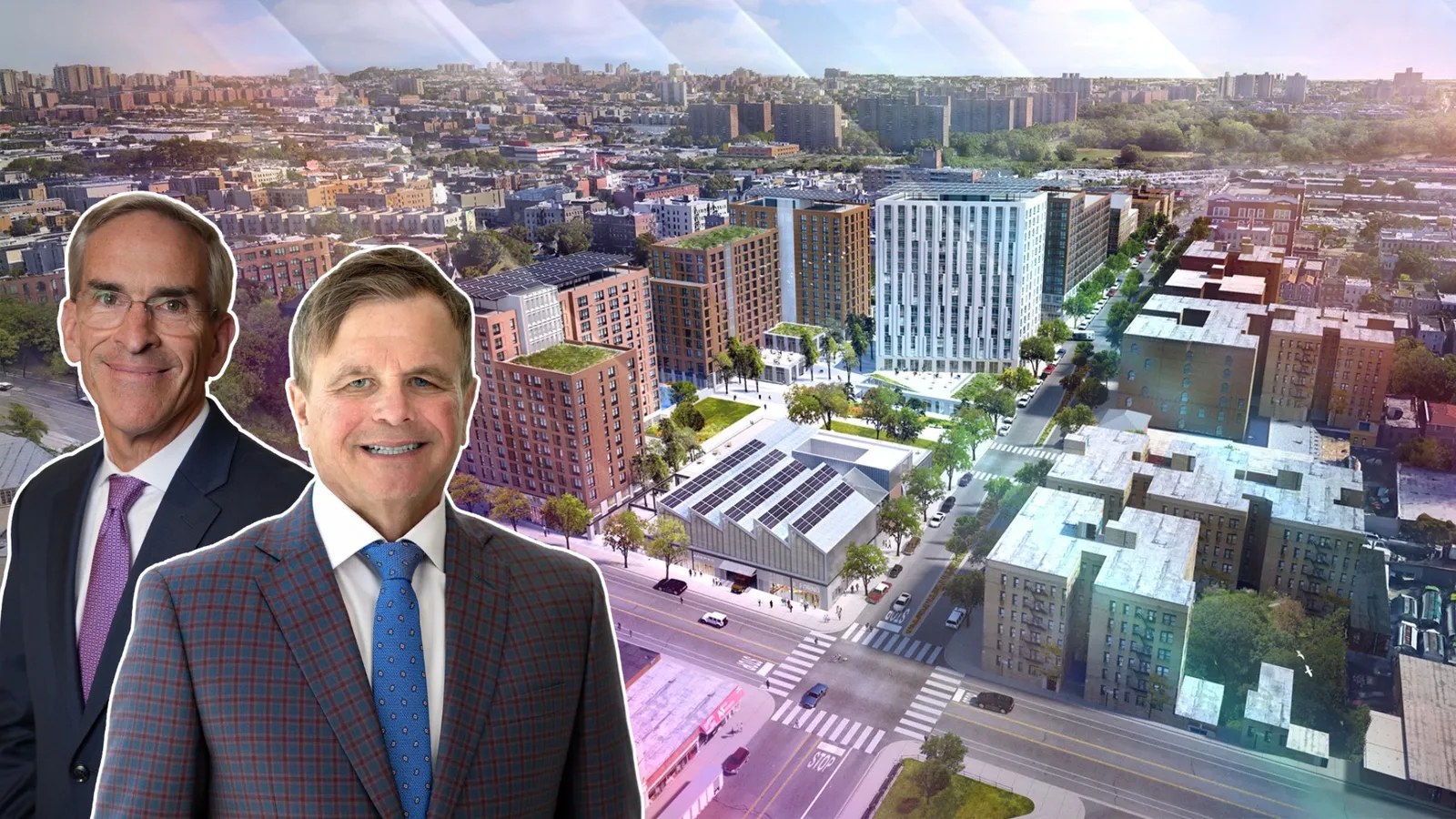
Image by The Peninsula

Traded Editorial
- Gilbane Development Company, The Hudson Companies, and MHANY Management have completed Phase Two of The Peninsula at 1221 and 1225 Spofford Avenue in Hunts Point, the Bronx, New York.
- The $297 million development delivers 359 affordable apartments across two 14-story buildings, with 54 homes reserved for formerly homeless households.
- The project adds community facilities, an early childhood center, and a 45,000-square-foot public pedestrian plaza to the former Spofford Juvenile Detention Center site.
What the Developers Have Delivered in Hunts Point
A major affordable housing milestone has been reached in the South Bronx as the development team behind The Peninsula celebrates the opening of its second phase. Gilbane Development Company, The Hudson Companies, and MHANY Management have completed two 14-story residential buildings at 1221 and 1225 Spofford Avenue. The $297 million phase delivers 359 rental apartments, ranging from studios to four-bedroom layouts, as part of the broader redevelopment of the former Spofford Juvenile Detention Center. The project represents another step in transforming the former institutional property into a mixed-use neighborhood campus combining housing, community services, commercial space, and public amenities.
What the 359 Affordable Apartments Include
The second phase provides 305 affordable apartments, with another 54 homes designated for formerly homeless households. Approximately 73% of the apartments are affordable to households earning at or below 60% of area median income, while 15% of the total units are reserved for formerly homeless residents. The residential buildings include fitness rooms, laundry facilities, resident lounges, Wi-Fi-equipped common areas, outdoor terraces, and bicycle storage. The apartment mix, which ranges from studios through four-bedroom homes, is designed to accommodate a broad range of household sizes. The development also incorporates an early childhood center and approximately 21,777 square feet of community facility space, expanding the campus beyond residential use.
What the $297 Million Development Adds to the Neighborhood
The two buildings frame a 45,000-square-foot landscaped pedestrian plaza featuring lawns, trees, seating areas, and outdoor gathering spaces. The design team includes WXY Architecture + Urban Design and Body Lawson Associates Architects & Planners. Sustainability is another component of the project. The buildings incorporate rooftop solar canopies and rainwater harvesting systems, while the public spaces create pedestrian connections across the campus. Phase Two builds on the first phase, which opened in 2022 with 183 affordable apartments, a cultural arts center, and a 57,000-square-foot light-industrial building. Together, the phases are turning the former detention center property into a community-oriented development with housing and employment opportunities.
What Comes Next for The Peninsula
The full Peninsula development is planned to deliver approximately 740 permanently affordable homes across four residential buildings, alongside light-industrial space, community facilities, retail, and publicly accessible open space. One of the next major additions will be a 20,000-square-foot municipal grocery store, selected by New York City for its N.Y.C. Groceries initiative. The store is expected to open in 2027 and will bring a new food retail option to Hunts Point. For affordable housing developers and investors, The Peninsula demonstrates how public-private partnerships can transform former institutional properties into large-scale mixed-use communities. Its combination of income-restricted housing, community services, employment space, and public amenities offers a model for redevelopment beyond traditional residential construction.