

Nov 10, 2026
Former Miami Seaquarium Could Reopen as a Mammal-Free Aquarium Under Terra Group’s $100M Plan
Terra Group's proposal for the former Miami Seaquarium includes an 83,000-square-foot aquarium, a marine research center, a marina with 295 wet slips, and a public waterfront promenade, with plans.
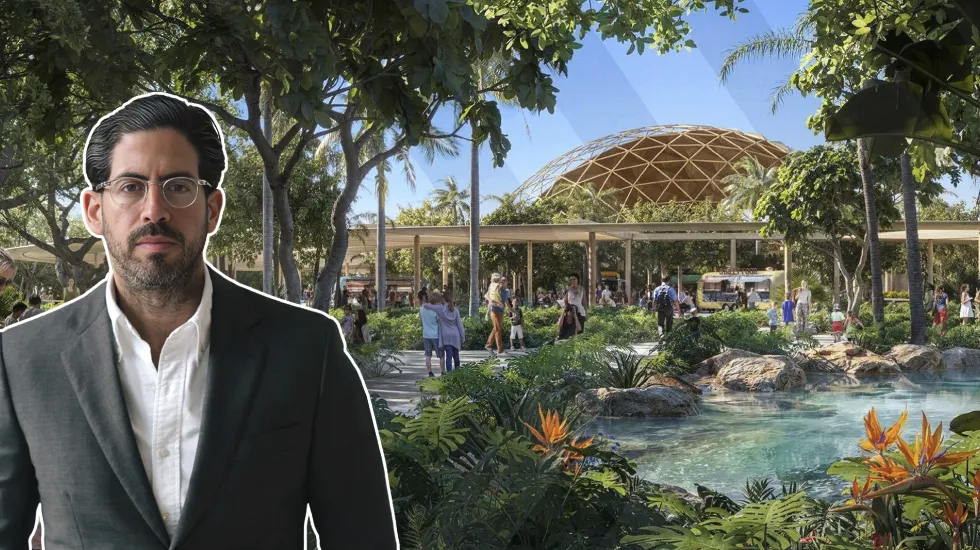
Photo by Terra Group

Traded Editorial
- Terra Group CEO David Martin is proposing a major transformation of the former Miami Seaquarium into a year-round waterfront destination, with an estimated $100 million investment.
- Plans include an 83,000-square-foot aquarium, a 118,000-square-foot marine research and education center, a public waterfront promenade and a marina with 295 wet slips.
- Miami-Dade commissioners advanced the land-use proposal in October, but a final vote is expected November 19, 2026, while a resident lawsuit and environmental concerns remain unresolved.
What David Martin and Terra Group Are Planning for Virginia Key
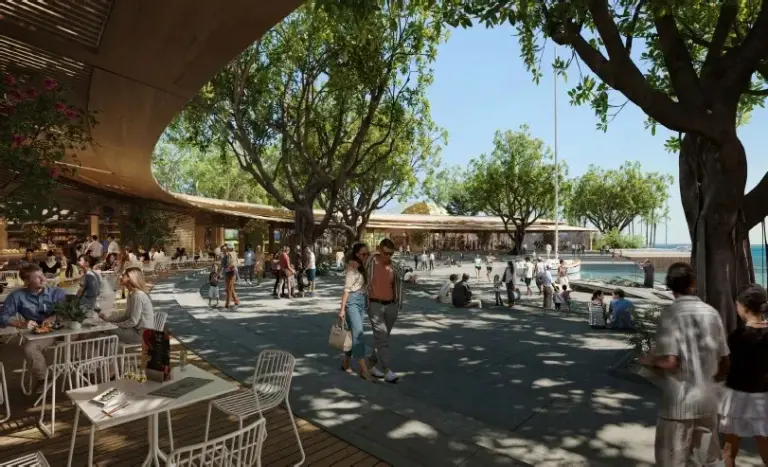
Miami's former Seaquarium property is being positioned for a major redevelopment that would replace the shuttered marine park with a mix of marine conservation, research, education, recreation and waterfront dining. Miami-based Terra Group, led by CEO David Martin, is advancing the proposal through its affiliate, Resilient Aquarium LLC, in partnership with Miami-Dade County, which owns the Virginia Key property. The master plan calls for an 83,000-square-foot, three-story aquarium without marine mammals and a 118,000-square-foot marine research and education center developed in collaboration with the University of Miami's Rosenstiel School of Marine, Atmospheric, and Earth Science. The project is also designed to restore public access to the waterfront through a free, three-quarter-mile promenade, restaurants, recreational attractions and educational experiences.
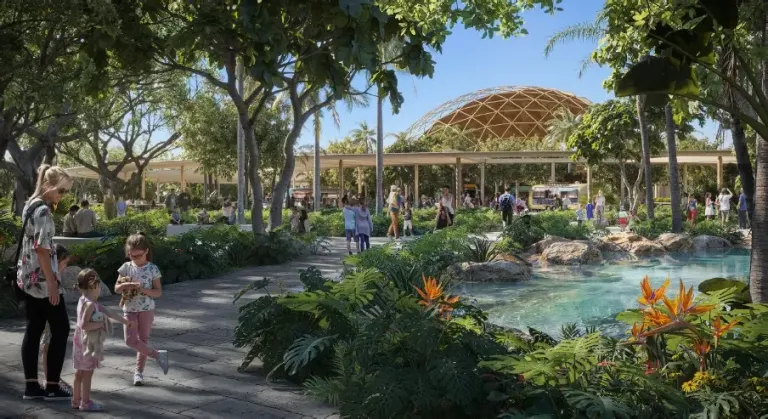 rendering by Terra Group
What the Aquarium, Marina and Waterfront Development Will Include
Beyond the aquarium and research facilities, the redevelopment includes a marina with 295 wet slips and dry storage for hundreds of additional boats. The latest proposal discussed publicly includes capacity for approximately 841 vessels when wet slips and dry storage are combined. The development plan also features a surf lagoon, underwater classroom, waterfront dining and restoration of the property's recognizable landmarks, including the Golden Dome and Flipper House. The Golden Dome, originally designed by architect Buckminster Fuller, is planned for restoration and reuse as an event venue. For commercial real estate investors, the marina and restaurant components are important parts of the business strategy. Terra has described marina operations as a key financial driver for the broader redevelopment, while dining and recreational uses are intended to generate activity throughout the year.
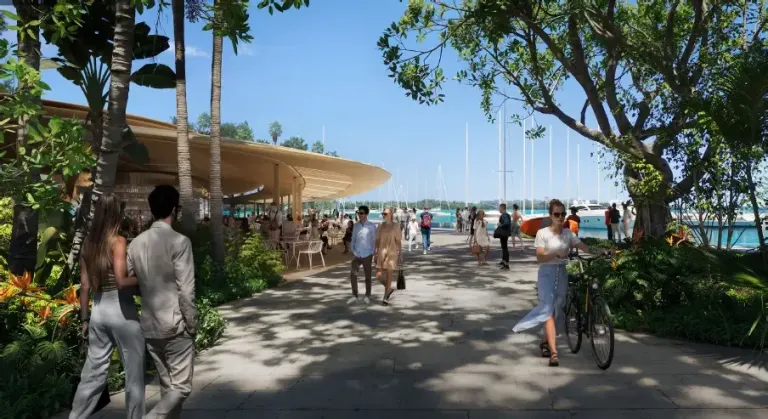
What Terra Group Is Proposing for Biscayne Bay
Environmental restoration is a central part of the development team's pitch. Proposed initiatives include coral, seagrass and shoreline restoration, natural water filtration systems and improvements intended to support Biscayne Bay's water quality. However, the marina has become one of the project's most debated components. Florida wildlife officials have raised concerns about potential impacts on manatees and recommended reducing the number of slips from an earlier proposal. Terra says the latest plan has already been reduced and disputes aspects of the environmental review. The debate is significant because the property sits alongside sensitive marine habitat. Environmental approvals and the final marina design could influence the project's timeline and scope.
What Miami-Dade County Approval Means for the Project
The redevelopment has cleared an important preliminary hurdle. On October 20, 2026, Miami-Dade commissioners unanimously advanced the land-use changes needed to move the proposal forward. But the project is not fully approved. Two county residents filed a lawsuit seeking a countywide referendum on the marina and redevelopment, arguing that the proposal requires voter approval under the county charter. Terra's position is that the plan complies with existing rules. The county is also pursuing zoning changes and negotiations over a proposed 99-year lease with Resilient Aquarium LLC. Final county consideration of the land-use changes is expected November 19, with separate lease approval still required.
What the Seaquarium Redevelopment Could Mean for Miami Investors
For Miami's commercial real estate market, the proposal represents a significant opportunity to reposition a prominent waterfront property into a diversified destination. The combination of marine research, public recreation, hospitality, dining and boating could create multiple sources of activity and revenue. It would also add a new attraction to Virginia Key while connecting private development with public waterfront access. The next major test is approval. Until the county, environmental regulators and legal challenges are resolved, the proposed redevelopment remains a plan rather than a construction-ready project.