

Oct 16, 2026
Fairstead and BRP Complete $636M Renovation of 1,696 NYCHA Apartments in Brooklyn
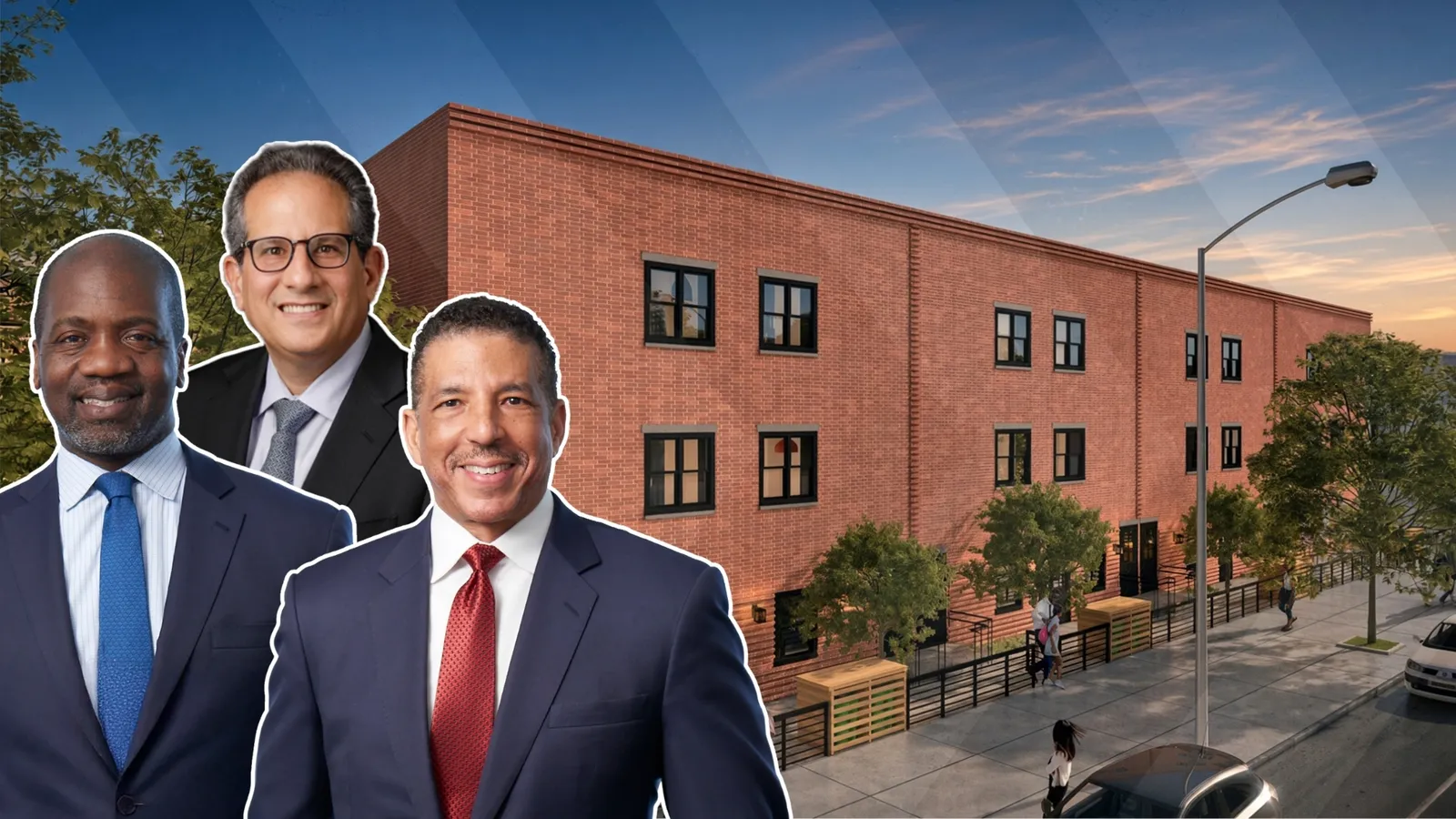
Fairstead and BRP Companies completed a $636 million renovation of Reid & Park Rock, modernizing 1,696 affordable apartments across 87 buildings in Brooklyn for nearly 3,000 residents.

Traded Editorial
- Fairstead, BRP Companies and their partners completed a $636 million rehabilitation of Reid & Park Rock in East New York and surrounding Brooklyn neighborhoods.
- The project modernized 1,696 affordable apartments across 87 buildings spanning 15 NYCHA developments, benefiting nearly 3,000 residents.
- The renovation upgraded apartment interiors, building systems, security, accessibility and community spaces while preserving long-term affordability through NYCHA’s PACT program.
What Fairstead and BRP Completed
Fairstead and BRP Companies, alongside Urbane, the Local Development Corporation of East New York and the New York City Housing Authority (NYCHA), have completed a $636 million rehabilitation of the Reid & Park Rock affordable housing portfolio in Brooklyn.
The project covers 87 buildings across 15 developments, bringing substantial improvements to nearly 1,700 homes. The October 15, 2026, ribbon-cutting marked the completion of one of NYCHA’s major affordable housing preservation efforts under its Permanent Affordability Commitment Together (PACT) program.
What The $636 Million Renovation Delivered
The rehabilitation addressed both apartment interiors and aging building infrastructure.
Apartments received renovated kitchens and bathrooms, new flooring, appliances, fixtures and finishes. Building-wide work included upgraded heating and ventilation systems, restored facades, elevator improvements, better lighting, enhanced security and accessibility upgrades.
The project also improved lobbies, common areas, storefronts, outdoor spaces and landscaping. Residents now have access to free community-wide Wi-Fi and additional spaces designed to support neighborhood activities.
What The PACT Partnership Means
NYCHA’s PACT program converts participating developments from traditional Section 9 public housing assistance to project-based Section 8, allowing additional public and private financing to fund comprehensive repairs and improve property management.
The program is designed to preserve residents’ rights and long-term affordability while addressing maintenance needs that traditional funding has struggled to cover.
For this project, Fairstead served as co-developer, general contractor and property manager. BRP Companies served as co-developer, Urbane contributed as co-developer and community partner, and LDC of East New York served as a community partner.
What Residents Gain Beyond Renovated Homes
The partnership expanded resident services alongside the physical improvements.
Black Veterans for Social Justice was selected by resident leaders to provide case management and connect households with food assistance, workforce development, youth programming and senior services. The project is the first completed PACT development where residents selected their own social service provider.
The Central Brooklyn Economic Development Corporation also provided leadership training for tenant association leaders across all 15 developments, helping strengthen their ability to organize events, raise funds and support residents.
What The Financing And Investment Partners Bring
The $636 million rehabilitation was financed through a combination of public and private sources, including support from the New York City Housing Development Corporation (HDC). The Vistria Group provided equity capital, while Merchants Capital served as a financial partner.
All 15 developments have also received Enterprise Green Communities certification, reflecting the project's sustainability commitments.
For affordable housing investors, Reid & Park Rock illustrates how coordinated financing, property management and resident services can preserve existing housing at scale rather than relying solely on new construction.
What This Means For Brooklyn Affordable Housing
The completed rehabilitation provides upgraded homes for nearly 3,000 residents while maintaining the properties’ long-term affordability.
For developers and housing investors, the project highlights the scale of opportunity in preserving existing affordable housing through public-private partnerships. It also shows that successful rehabilitation requires more than capital spending: resident engagement, reliable operations and ongoing services are central to the long-term outcome.