

Sep 15, 2026
DFRE Starts $35M Workforce Housing Project in Miami’s Health District
DFRE has begun construction on The Triangle, an eight-story, 112-unit workforce housing project in Miami, expected to complete in early 2028 under Florida's Live Local Act.

Traded Editorial
- DFRE has started construction on The Triangle, an eight-story, 112-unit workforce housing project at 1750 NW 15th Street Road in Miami.
- The $35 million development will provide 450-square-foot studios, with every unit restricted to households earning up to 120% of area median income under Florida’s Live Local Act.
- The project is expected to top out in mid-2027 and reach completion in early 2028, adding housing near Jackson Memorial Hospital and other major Health District employers.
What DFRE Is Building In The Health District
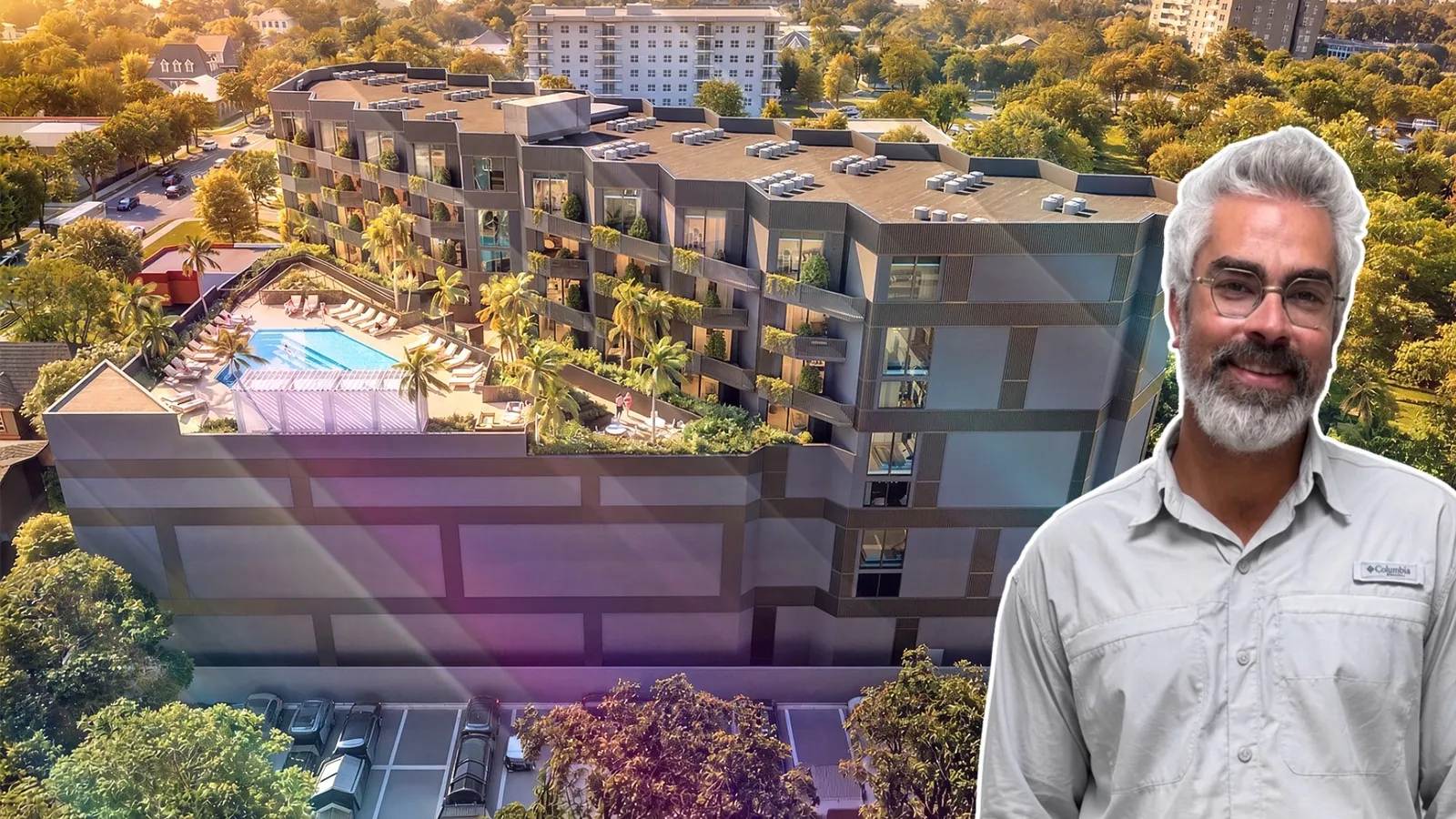
DFRE is turning a roughly 0.7-acre triangular parcel at 1750 NW 15th Street Road into an eight-story residential building totaling approximately 121,636 square feet.
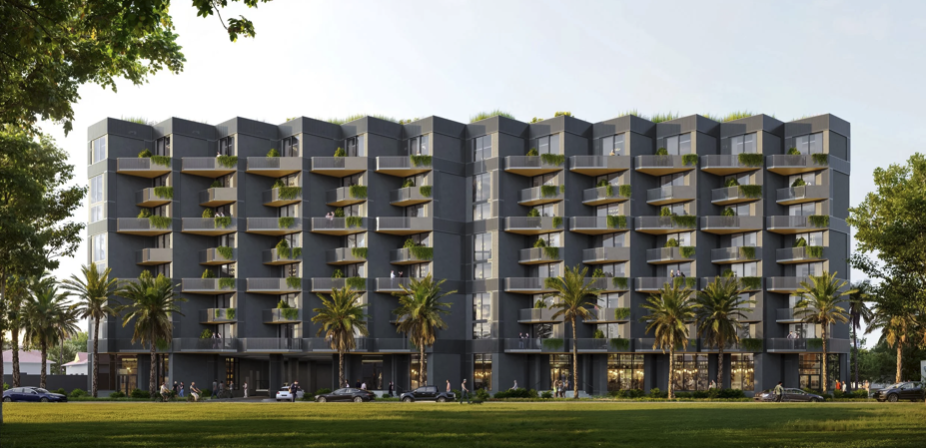
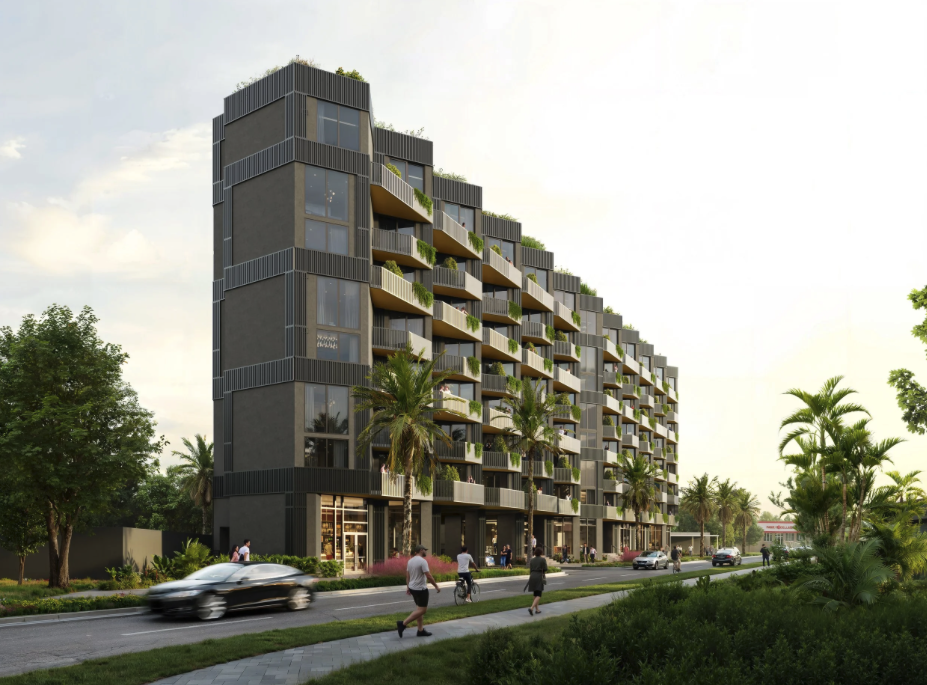
The project will deliver 112 studio apartments, each around 450 square feet with private balconies. The location is particularly important because it puts residents close to Jackson Memorial Hospital, the University of Miami Health System, public transportation and neighborhood retail.
What The Live Local Project Offers Residents
The Triangle is being developed under Florida's Live Local Act, with all 112 apartments restricted to households earning up to 120% of AMI.
That makes the project different from a conventional market-rate apartment development. DFRE is targeting the workforce that supports one of Miami's largest employment hubs, while offering amenities more commonly associated with higher-end multifamily properties.
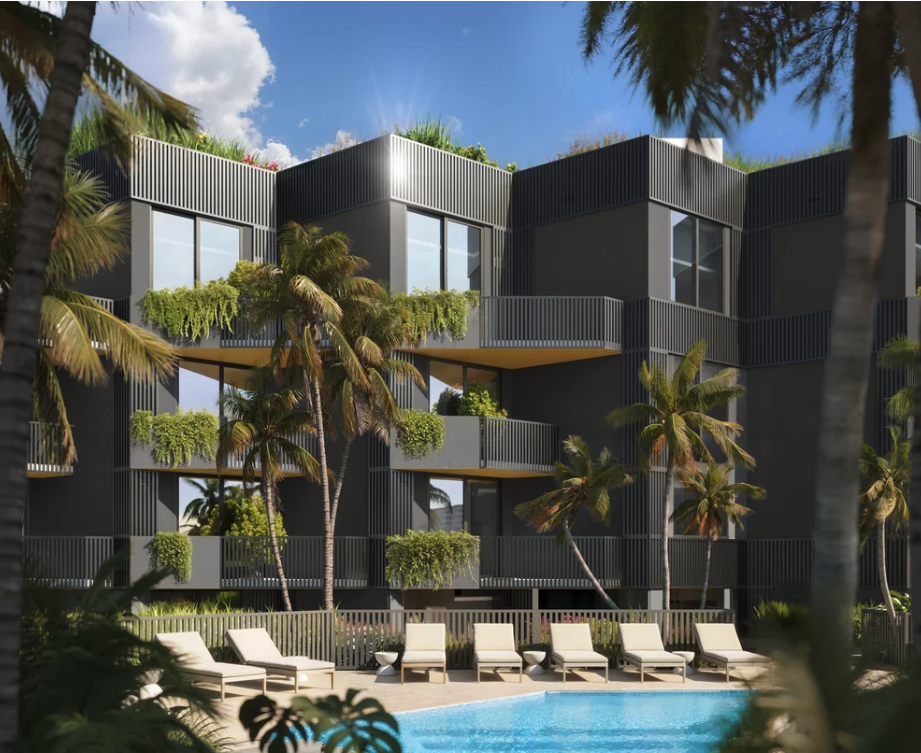
Planned amenities include a 10,000-square-foot pool terrace, private cabanas, outdoor gathering areas, grilling space and a 3,500-square-foot fitness center with a health food and juice bar. Residents will also have access to a club room, bicycle storage, parking, package room and on-site staff.
What The Difficult Site Means For Development
The project's triangular parcel presented a significant design challenge, with only one point of vehicular access along NW 15th Street Road.
Rather than treating the unusual shape as a limitation, DFRE designed the building around the site. The approach allowed the development team to maximize the building footprint, circulation and overall functionality on land that might otherwise have been difficult to develop.
For developers and investors, that is one of the more interesting parts of the project. The Triangle shows how small and irregular urban parcels can become viable workforce housing sites when zoning, financing and design are aligned.
What ODP Architects Brings To The Project
ODP Architects designed The Triangle, bringing experience from both multifamily and luxury residential projects.
The firm's portfolio includes Villa Miami, as well as projects involving major residential and hospitality brands. ODP says it was founded in 2004 and has offices across South Florida, with work spanning multifamily, mixed-use, luxury condominiums, hotels, commercial and retail properties.
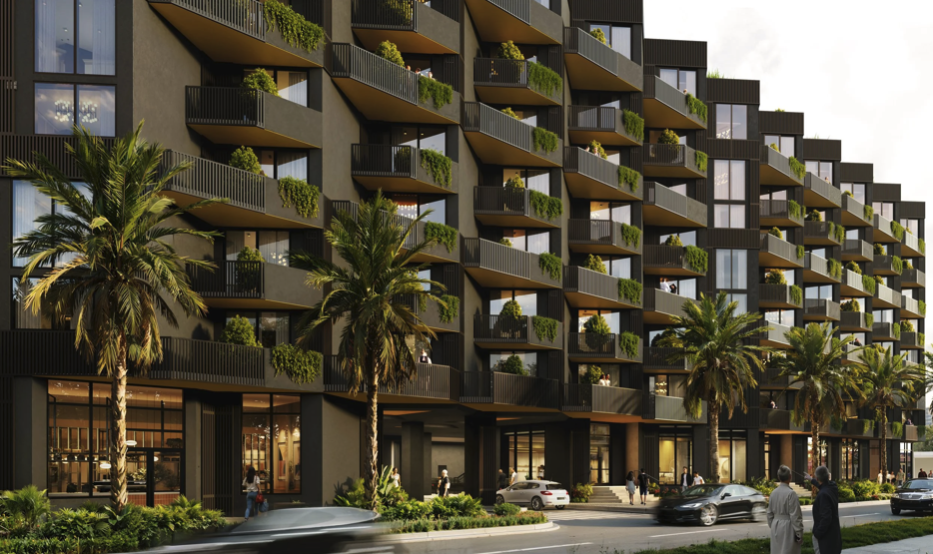
The Triangle's design incorporates projecting balconies, recessed glazing, vertical screening and landscaping. Those elements are intended to provide shade, privacy and stronger indoor-outdoor connections while keeping the building visually distinctive.
What The Development Means For Miami Investors
The Triangle is an early example of Florida's Live Local Act moving from policy to ground-up construction. DFRE is also taking a long-term ownership approach, planning to own, operate and program the property rather than immediately selling after construction.
That strategy could be particularly relevant for investors watching Miami's workforce housing market. The project combines income-restricted apartments, an employment-rich location and an underutilized development site, while targeting completion in early 2028.
With Miami continuing to face a gap between housing costs and local wages, The Triangle gives developers another example of how workforce housing can be built on challenging infill sites without abandoning design or amenities.