

Oct 28, 2026
Central Park Conservancy Starts $36M Flood-Control Project to Protect Harlem and East Harlem
The $35.7 million North End Recirculation Project in Central Park will manage stormwater, reducing local sewer flows by 90% and conserving 175 million gallons of drinking water annually.
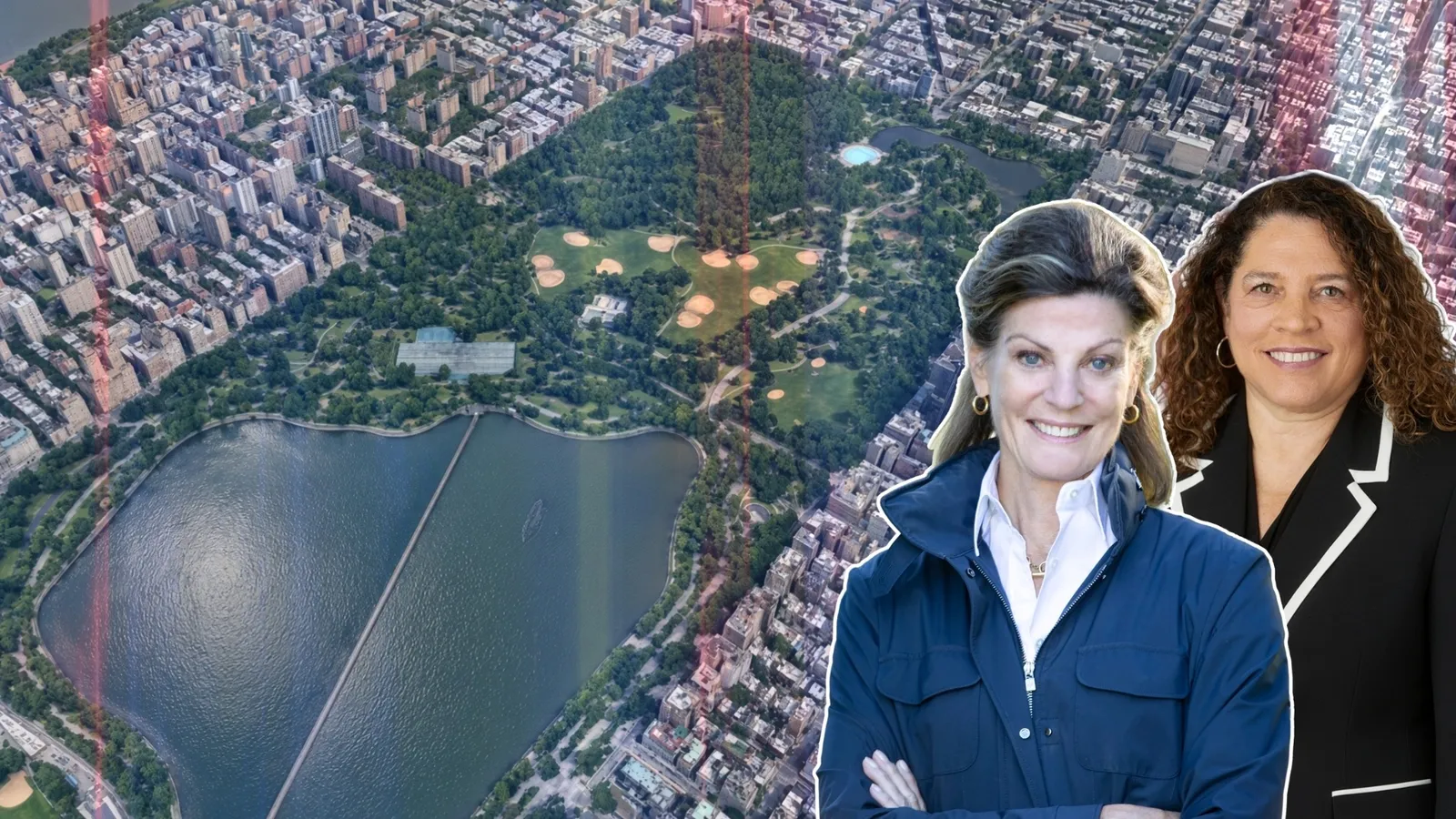
Image credit: eDesign Dynamics

Traded Editorial
- The Central Park Conservancy, NYC Department of Environmental Protection, and NYC Parks have begun construction on the $35.7 million North End Recirculation Project in northern Central Park, Manhattan.
- The system will connect the Pool, the Loch, and the Harlem Meer to help manage stormwater and reduce flooding in surrounding neighborhoods.
- Officials estimate the project will keep 132 million gallons of water out of local sewers and conserve 175 million gallons of drinking water annually.
- Completion is expected in fall 2028. eDesign Dynamics is leading design of the recirculation system, and the general contractor has not been publicly identified.
What the Central Park Conservancy Is Building
Construction has started on a major water-management upgrade in northern Central Park, designed to reduce flooding in Harlem and East Harlem while improving how the park uses water. The $35.7 million North End Recirculation Project is being led by the Central Park Conservancy in partnership with NYC DEP and NYC Parks. The project will link three historic park water bodies: the Pool, the Loch, and the Harlem Meer. The new infrastructure includes filtration facilities, underground piping, a pump system, and other drainage controls intended to improve circulation and create capacity for stormwater during heavy rainfall. The system is designed by eDesign Dynamics. City officials and the Conservancy announced the groundbreaking on October 26, 2026, with completion expected in fall 2028.
What the New System Will Do During Storms
The system will change how water moves through the park. During dry weather, water will be diverted from the Harlem Meer, pumped south of the Pool, and then allowed to flow back through the connected water bodies by gravity. Before a major storm, the system will lower the Meer’s water level to create additional capacity for incoming rainfall. Rainwater can then refill the water bodies, reducing the volume of stormwater sent directly into the surrounding sewer network. According to the mayor’s office, the project is expected to reduce stormwater flows to city sewers by 90% across a 204-acre watershed. It is also projected to keep approximately 132 million gallons of water out of local sewers annually, helping ease pressure on infrastructure serving nearby neighborhoods.
What the $35.7 Million Budget Covers
The project combines public capital funding, a state resiliency grant, City Council allocations, and private donations. More than $19.6 million comes from New York City capital funding, including $14.2 million from NYC DEP. The New York State Environmental Facilities Corporation is contributing a $10 million Green Resiliency Grant, funded through the 2022 Environmental Bond Act. Additional contributions include $2 million from City Council Speaker Julie Menin, $500,000 from Manhattan Borough President Brad Hoylman-Sigal, $100,000 from Council Member Gale Brewer, and $3.5 million from Central Park Conservancy donors. For public infrastructure planners, the funding structure illustrates how municipal investment, state grants, and philanthropy can be combined to deliver projects with environmental and neighborhood benefits.
What Water Conservation Means for Central Park
The project is also expected to conserve approximately 175 million gallons of potable water annually by reducing the park’s dependence on the city drinking-water supply to replenish its three water bodies. The new filtration and circulation system is intended to improve water quality and reduce harmful algal blooms during warmer months. These improvements could benefit park users while lowering the demand for treated drinking water for landscape and water-body management. Central Park Conservancy President and CEO Betsy Smith called the initiative “our most ambitious infrastructure project to date,” describing it as a long-term effort to manage water more responsibly in one of New York City’s most important public spaces.
What Comes Next for the Project
Construction will continue through the coming two years, with fall 2028 the expected completion target. The general contractor has not been identified in the public groundbreaking announcement. For surrounding property owners and residents, the project's intended benefit is improved stormwater management during heavy rain, although its performance will depend on final system delivery and operating conditions.