

Oct 27, 2026
Camber Property Group and Partners Complete $8M Renovation at Edenwald Houses in the Bronx
Camber Property Group, Henge Development, and SAA | EVI have completed $8.1 million in renovations to community facilities at Edenwald Houses in the Bronx, including a newly reopened senior center.
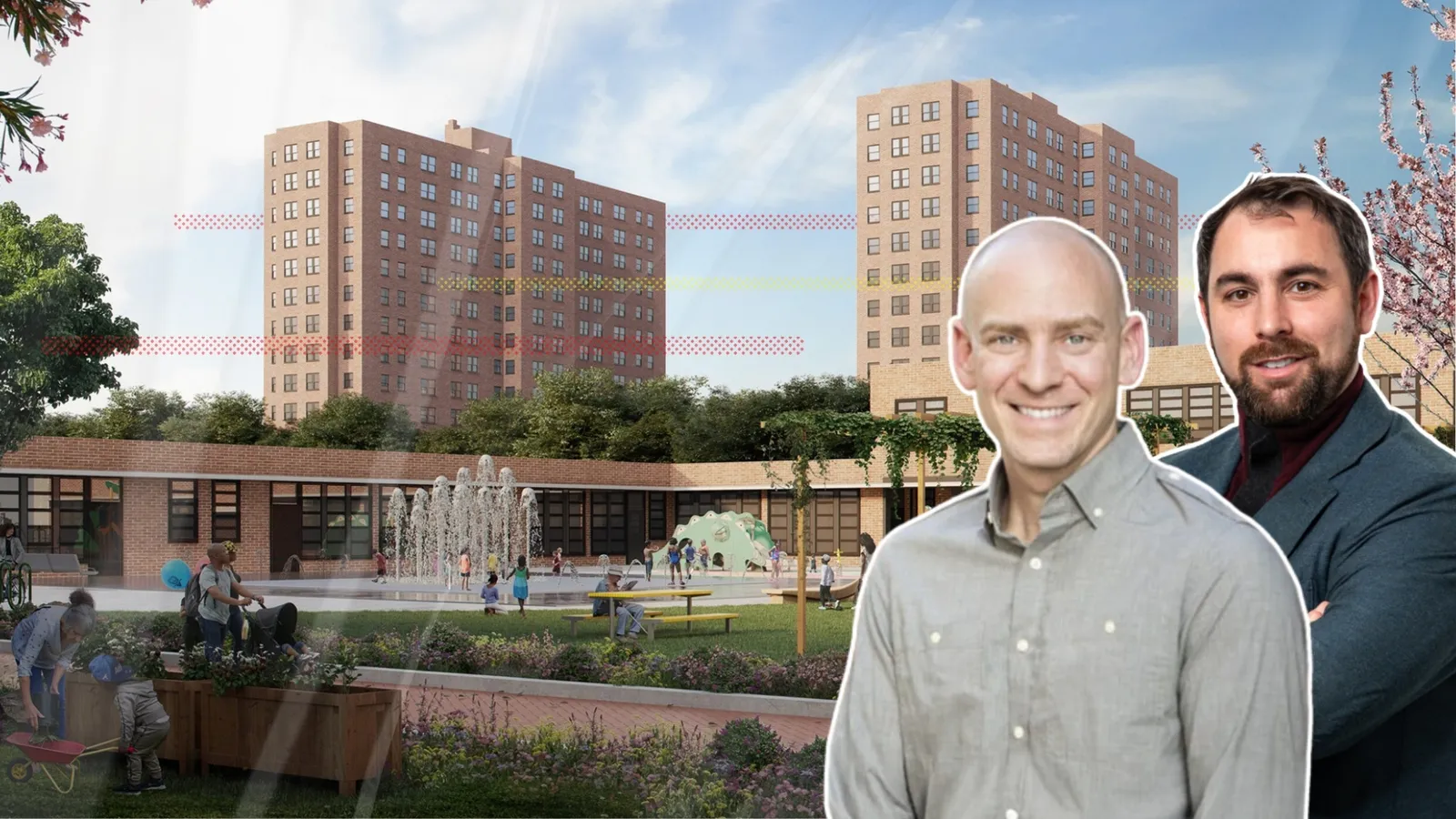
Image courtesy of Edenwald Houses

Traded Editorial
- Camber Property Group, Henge Development and SAA | EVI have completed $8.1 million in renovations to the community, senior and child care centers at Edenwald Houses in the Bronx.
- The renovated senior center is located at 1153 East 229th Drive South, within Edenwald Houses in the Bronx, New York.
- The improvements are part of a broader $783 million modernization covering 2,035 apartments across the 48.88-acre public housing campus.
- The senior center, closed for more than 20 years, has reopened with a commercial kitchen, computer lab, event space and expanded services for residents.
What the Development Partners Have Completed
Camber Property Group, Henge Development and SAA | EVI have completed renovations to three community facilities at Edenwald Houses, marking a milestone in the modernization of one of the New York City Housing Authority’s largest developments. The $8.1 million project upgraded the community center, senior center and Susan Wagner Day Care facility. The work forms part of a larger $783 million Permanent Affordability Commitment Together (PACT) modernization intended to improve housing conditions and community services for nearly 5,000 residents. NYCHA retains ownership of the development, while the private partners oversee modernization and property management under the PACT program.
What the Renovated Facilities Offer Residents
The senior center at 1153 East 229th Drive South has reopened after more than two decades of closure and has been renamed in honor of longtime Edenwald Tenant Association President Walter J. McNeill. The facility includes a commercial kitchen, computer lab and event space. Regional Aid for Interim Needs (R.A.I.N.), a Bronx-based nonprofit, will support services such as meals and transportation assistance. The community center, operated by Mosholu Montefiore Community Center, will provide youth programming, improved accessibility and a new storefront. Meanwhile, Susan Wagner Day Care received an upgraded outdoor play area, new flooring and plumbing, accessibility improvements and lead paint abatement. These improvements extend the benefits of the redevelopment beyond individual apartments, restoring shared facilities that support residents of different ages.
What the $783 Million Modernization Includes
Edenwald Houses contains 2,035 apartments across 40 buildings, serving nearly 5,000 residents. Established in 1953, the development is NYCHA’s largest in the Bronx and its third-largest citywide. The wider modernization includes apartment interior upgrades, heating and cooling improvements, electrical and mechanical system repairs, lead paint removal, mold remediation and enhanced security. Plans also include free development-wide Wi-Fi, landscaping and outdoor amenity improvements. NYCHA and resident representatives selected the PACT development team in 2021, with financing closing and construction beginning in 2023. The community facilities’ reopening represents a significant milestone, although some work across the broader campus remains underway.
What the Project Means for Affordable Housing Preservation
The Edenwald project illustrates how public housing authorities can use public-private partnerships to address extensive repair needs while maintaining public ownership. Under PACT, NYCHA retains ownership of the property, and residents retain key rights, including permanent affordability and succession rights. For affordable housing operators and investors, the project demonstrates the scale of capital required to modernize aging residential infrastructure. The $8.1 million community facility investment is one component of a much larger effort to improve building systems, apartment interiors and resident services. The broader lesson is that preserving existing affordable housing requires investment not only in residential units, but also in the community facilities that help support long-term resident well-being.