
Jul 30, 2026
Built to Belong: How IGI-USA's Eldad Blaustein Sold Out The Village West in Under a Year
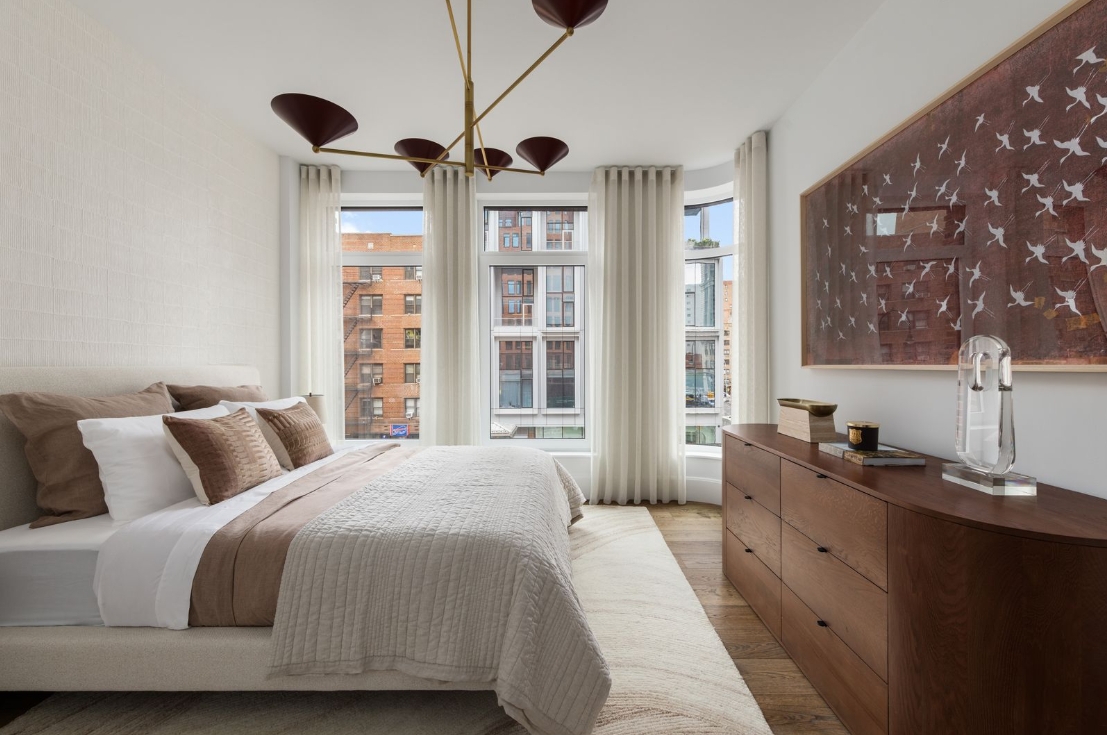
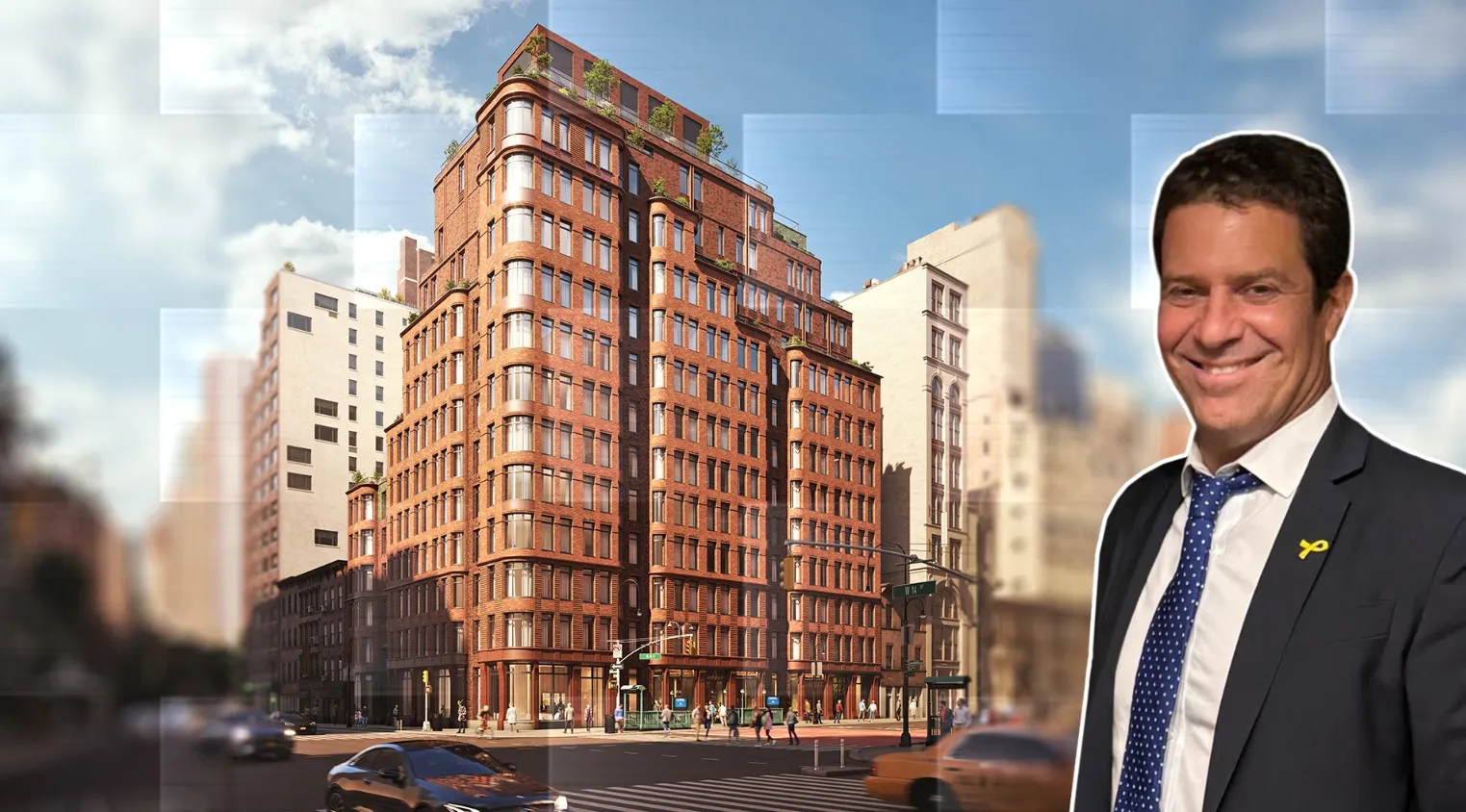
The Village West, a boutique condominium developed by IGI-USA at 525 Sixth Avenue, sold out in less than a year, featuring 68 residences with red brick and terra cotta design elements.

Traded Editorial
IGI-USA CEO Eldad Blaustein on betting against the glass tower, the one thing he refused to compromise on, and what a sellout at Sixth Avenue and 14th Street says about today's Manhattan buyer.
"Manhattan didn't need another glass tower. It needed a building that belonged to its neighborhood."
That conviction is now fully vindicated. The Village West, the boutique condominium IGI-USA developed at 525 Sixth Avenue on the corner of 14th Street, sold out in less than a year after launching sales.
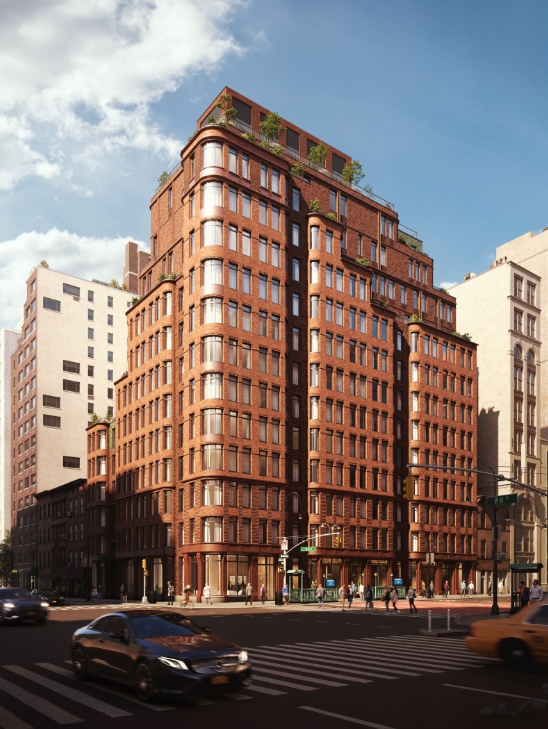
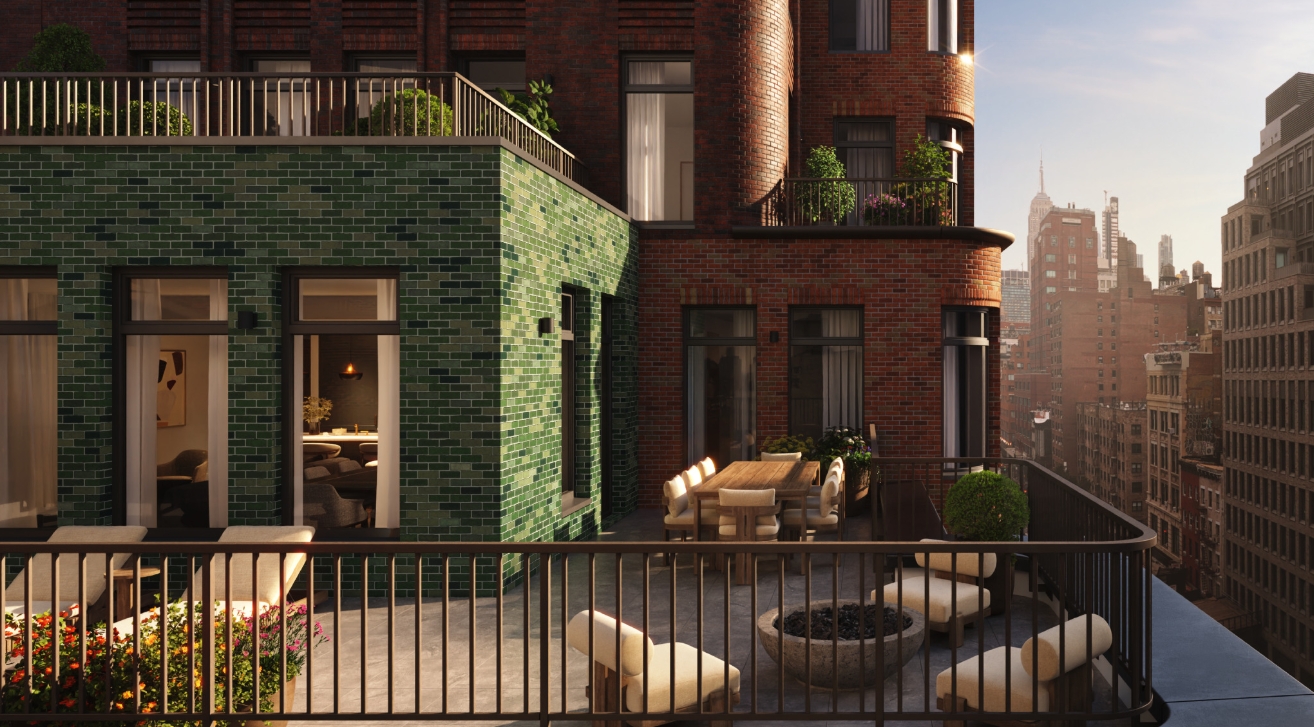
The 14-story building holds 68 residences behind a facade of red brick, terra cotta, and arched windows, a deliberate homage to the Village's architectural heritage in a market that keeps producing glass.
For Blaustein, CEO of IGI-USA, the pace of sales confirmed a thesis rather than surprising him.
"We saw strong momentum immediately after launching sales, which confirmed what we believed from the beginning. Buyers were looking for authenticity, timeless design, and a genuine sense of place."
A Bet Against Glass
At a time when many developers default to sleek glass towers, choosing brick, terra cotta, and traditional masonry might look like a gamble. Blaustein rejects the framing entirely. "We never viewed it as a risk," he said.
The intent was never imitation. The building reinterprets the neighborhood's architectural language through layered masonry, arched windows, and contemporary detailing rather than recreating a historic structure.
"The goal wasn't to stand out," Blaustein said. "It was to feel like it had always belonged there. We believe The Village West will remain a defining part of the neighborhood for decades to come."
The Corner Where Four Neighborhoods Meet
Blaustein has developed in some of New York's most competitive neighborhoods, and his test for a site is whether it can produce something that couldn't exist anywhere else. This one qualified.
"This corner sits where four iconic Manhattan neighborhoods meet: Greenwich Village, Chelsea, the Flatiron District, and Union Square," he said. "That allowed us to design a building that draws from each of them while becoming a gateway to downtown."
The One Non-Negotiable
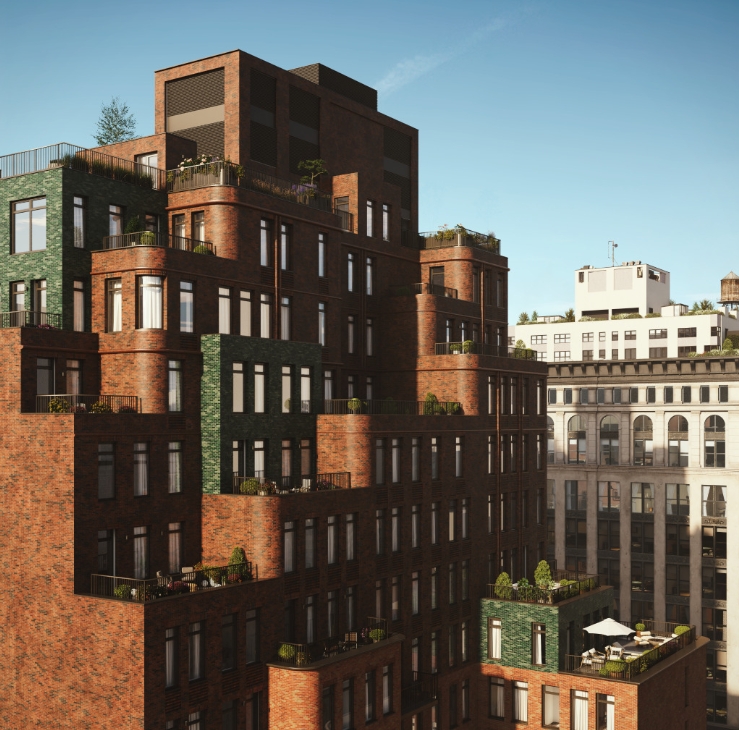
On one of Manhattan's busiest intersections, plenty of ideas got debated. One didn't. "We refused to compromise on outdoor space," Blaustein said.
The building's setbacks weren't simply an architectural gesture. They created private terraces and balconies throughout the building, giving residents something increasingly difficult to find downtown. "Outdoor space wasn't simply an amenity," he said. "It was part of the lifestyle we wanted to create."
A Building With Personality
Blaustein's diagnosis of the broader market is blunt: too many buildings begin with a formula instead of a story, which is why so many end up feeling interchangeable.
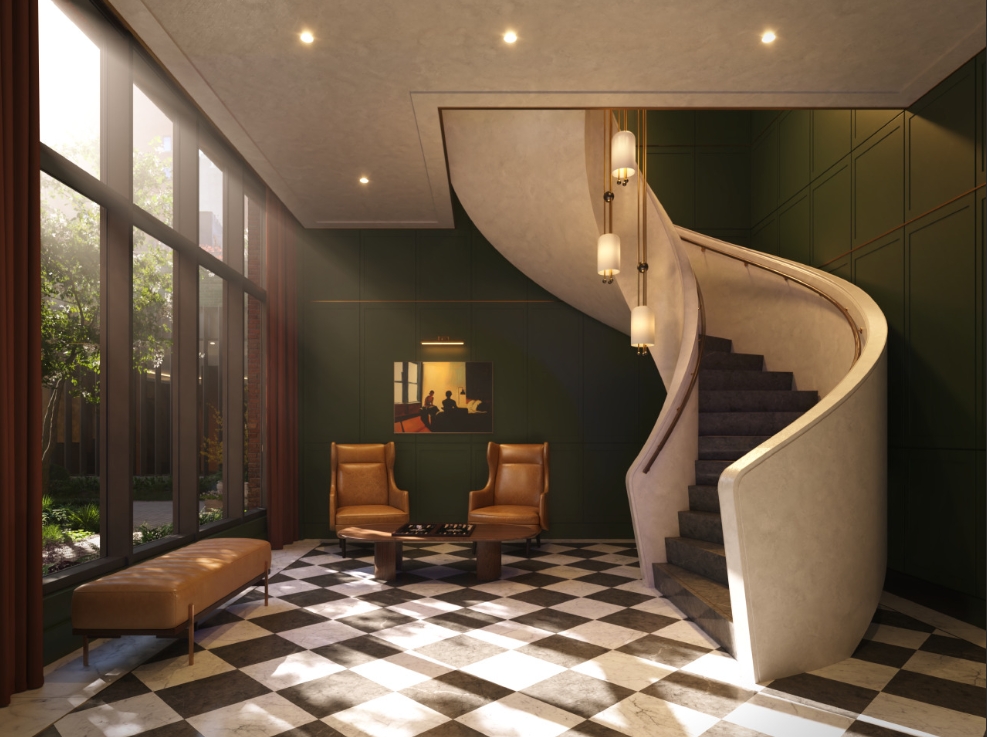
"We wanted to create a building with personality," he said. "From the double-height lobby and sculptural spiral staircase to the landscaped courtyard and club-style amenity spaces, every experience was designed to feel distinctive rather than expected."
The amenities became the sleeper hit of buyer tours. Many were surprised by how extensive the offering was for a boutique building: four levels of wellness, recreation, and social spaces that naturally bring neighbors together. For Blaustein, the reaction pointed to something deeper than square footage. "Today's buyers are looking for more than amenities," he said. "They're looking for a true sense of belonging."

Lessons From Six Decades of Building
IGI-USA is part of Izaki Group Investments, a company with more than six decades of international development experience. Asked what that global track record taught him about New York, Blaustein distills it to a single rule.
"One lesson applies everywhere: every project should reflect where it's built, not where you've built before," he said. "The strongest buildings respect local architecture, local culture, and the way people actually live. New York has its own rhythm, expectations, and definition of luxury, and The Village West embodies that."
Why It Sold Out
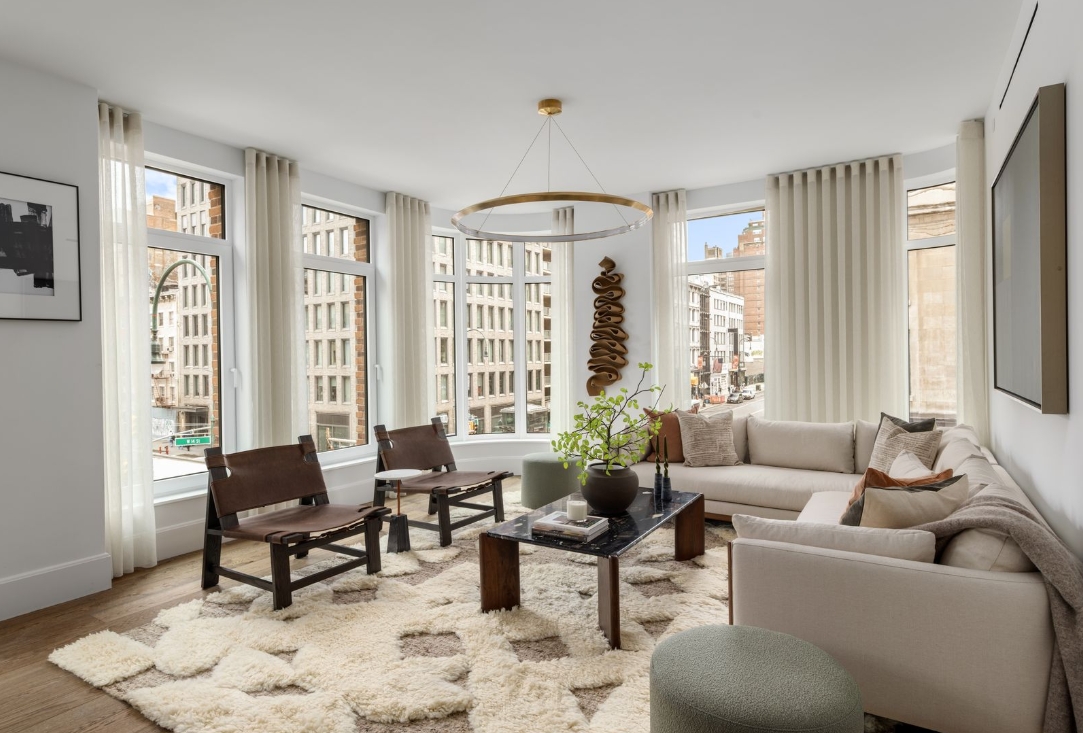
Asked why the building sold out so quickly, Blaustein doesn't point to a single feature. He points to the absence of trade-offs. "Buyers didn't have to compromise," he said.
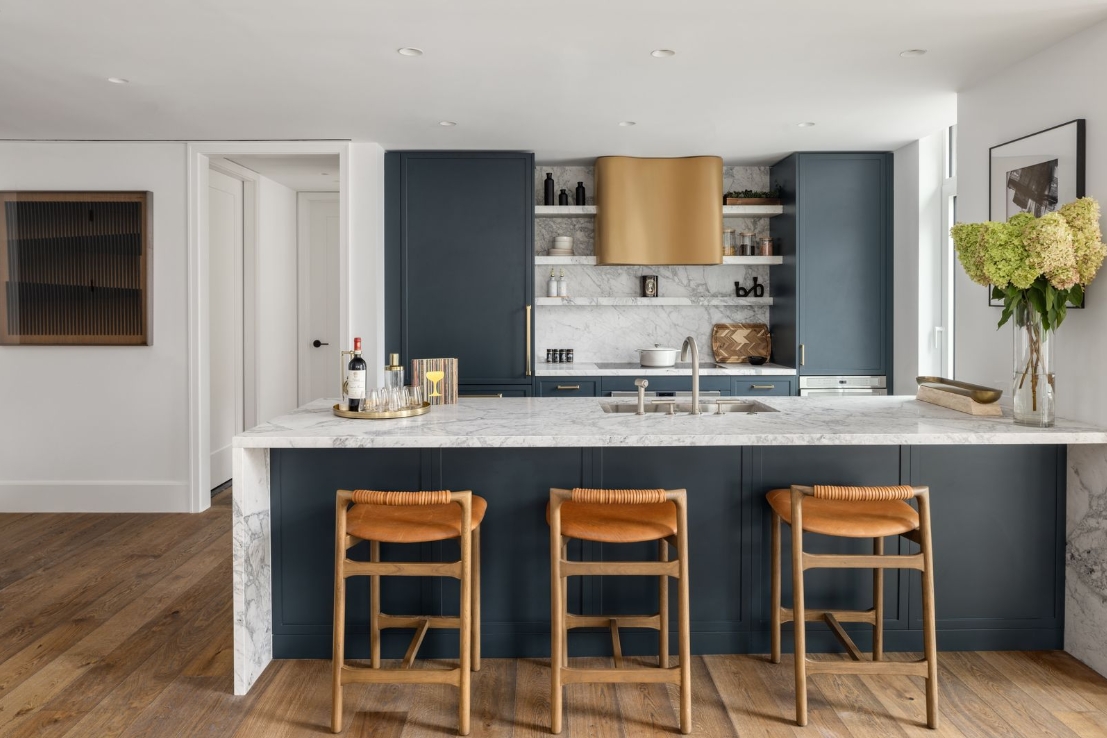
The mix of one- to three-bedroom residences matched market demand, and the finishes and layouts signaled a carefully curated product. Add boutique scale, distinctive architecture, generous outdoor space, and club-style amenities, and the result was a residential experience he calls unique in the market.
The sellout, in his reading, carries a message bigger than one building.
"It shows that people still believe in New York," Blaustein said. "The city's appeal has never been about following trends. It's about its neighborhoods, architecture, and energy. The Village West proves buyers continue to invest in homes with character, authenticity, and a strong connection to the neighborhood they're in."
Next Stop: NoHo
The philosophy now moves to its next address. IGI-USA's upcoming project at 26 Bleecker Street will transform a historic building into new residences while preserving the character and identity that make it distinctly NoHo, the same sense-of-place approach that guided The Village West.
After developing in some of the world's most competitive markets, Blaustein says New York still holds a distinct pull. "Few cities inspire developers the way New York does. Every site demands creativity, every neighborhood has its own story, and every successful building has to earn its place in the city."
At the corner of Sixth Avenue and 14th Street, his building appears to have earned its place, and belonging turned out to be the fastest-selling amenity of all.