

Jul 27, 2026
Built for Permanence: The Vision Behind The Ritz-Carlton Residences, Houston
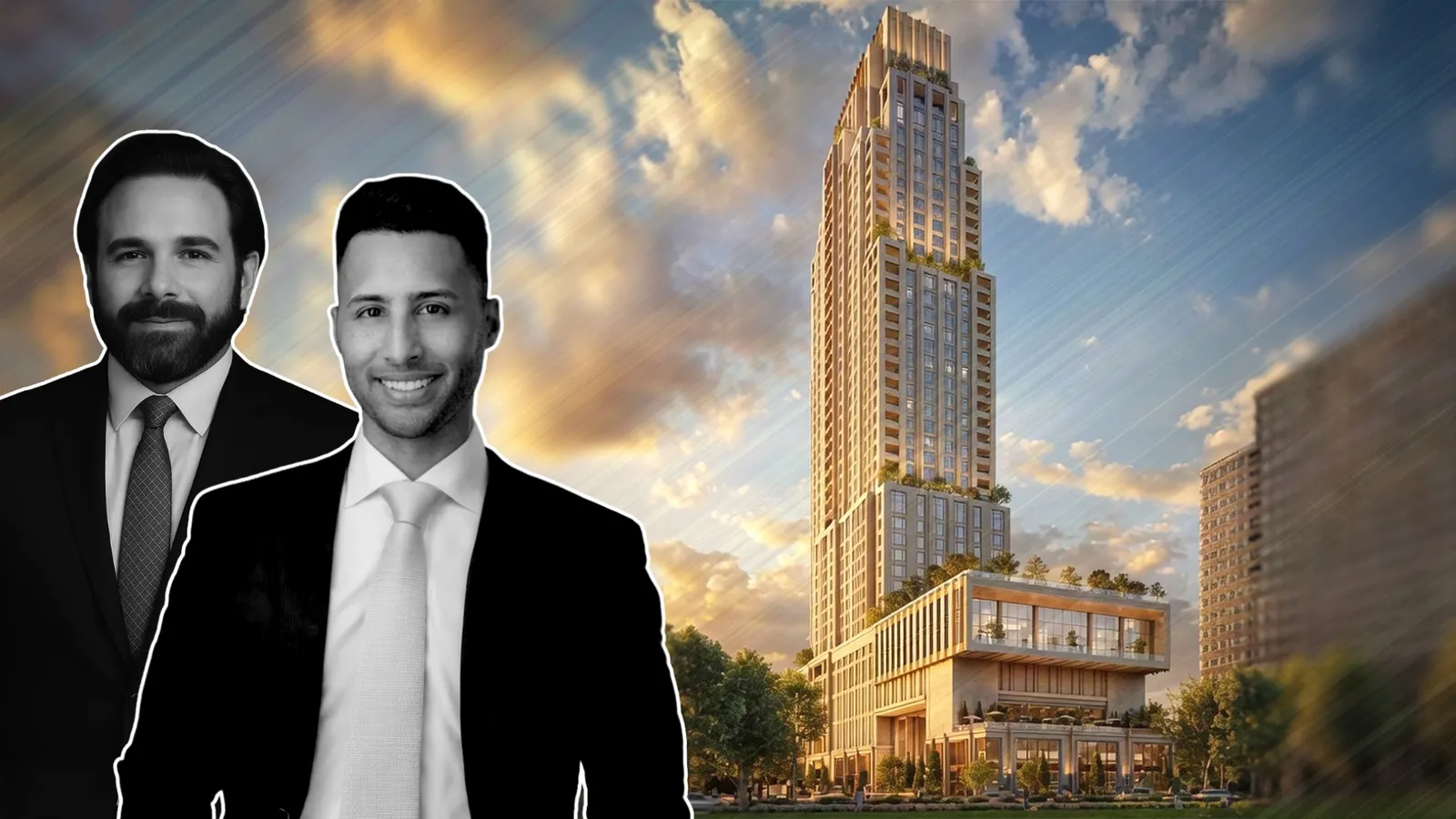
Co-founders Andrew Deiso and Taylor Moss aim to bridge the gap in Houston's luxury residential market with The Ritz-Carlton Residences, emphasizing permanence, operational depth, and a strong brand.

Traded Editorial
Co-founders Andrew Deiso and Taylor Moss on why Houston was ready for The Ritz-Carlton Residences, the operating model that sets the project apart, and the philosophy guiding the firm's next chapter.
Houston has long been one of America's most important economic engines, home to global medical leadership, the energy capital of the world, and deep cultural institutions. Yet for years, its luxury residential market offered little that reflected that standing. That disconnect is exactly what co-founders Andrew Deiso and Taylor Moss believe The Ritz-Carlton Residences, Houston, one of the city's most anticipated luxury developments, was built to address.
For Moss, the project is both a hometown story and a calculated one.
"As a Houstonian, this is personal to me," Moss said. "But it's a very disciplined investment thesis. The right corridor, the right brand, the right partners, and the right long-term demand. What attracted us was the gap between Houston's economic significance and the level of residential hospitality product historically available here. Houston was already a wealthy city. The opportunity was to deliver a product that really reflected that reality."
A Vision in One Word
We asked Moss to summarize the project's guiding philosophy and he didn't hesitate: permanence.
"We wanted to create something that would still feel relevant decades from now," he said. "That meant restraint, proportion, privacy, service, and operational discipline."
That thinking shaped the project's earliest calls, which Moss considers the most critical to its success: location, floor plans, arrival privacy, service infrastructure, materials, capitalization, and how the building would be run. "A project's built to last, but it's not just about the design," he said. "It's about stewardship as well."
The same standard applied to assembling the team. Partner selection started with alignment, Moss says, choosing firms whose ethos naturally embodied the vision for the project, the brand, the location, and the city.
"At this level, every partner has to understand the standard, the market, the brand, and the long-term objective," he said. "The best partners don't just execute the vision. They make it a reality."
Why Ritz-Carlton, Why Houston
The brand partnership works, in Moss's view, because Ritz-Carlton reflects Houston's own luxury culture, one built on "service, discretion, consistency, and understated elegance" rather than showmanship. "Those qualities resonate here because Houston's luxury sensibility is rooted in substance, not performance," he said.
Houston has several high-quality luxury projects coming to market at once, a dynamic Moss welcomes. What sets this one apart, he argues, is having a true Ritz-Carlton hotel on property, which some competitors don't.
"The hotel is the service engine behind the residential experience," he said. "It creates the staffing, the training, the hospitality culture, food and beverage, wellness, and operational depth that's difficult to replicate in a residence-only branded project."
At the same time, the team was deliberate about keeping the two worlds apart. Residents are fully bifurcated from the hotel through private motor courts, elevators, amenities, and service experience, a nod to what Moss calls Houstonians' value of discretion.
"The distinction is simple: we deliver the hospitality infrastructure of an on-site Ritz-Carlton hotel with the privacy of a fully separated residential experience," he said.
Why Buyers Are Choosing Hospitality Over Estates
The project arrives as affluent buyers nationwide trade private estates for turnkey residences with hospitality-level service, a shift Moss says is often misread as downsizing. In many cases, he argues, buyers are getting an upgrade in how they want to live: a private estate can be extraordinary, but it demands constant oversight of staff, vendors, maintenance, and security.
"For many of our buyers, time and simplicity have become the highest forms of luxury," he said. "Hospitality-driven residences provide privacy, service, security, wellness, dining, and maintenance in one integrated environment, and remove the burden of owning a large estate."
The brand is what makes that promise credible. Sophisticated buyers, Moss notes, understand that a building can look beautiful and still fall short operationally; a strong hospitality brand gives confidence around the service, training, and standards they'll live with for the next 10 or 20 years.
"The brand creates trust," he said. "And the brand has to be authentic to the market. It cannot just be a name on the building."
A recent recognition from Branded Living underscored the point. "It validated what we believed from the beginning," Moss said. "Houston belongs in the branded residence conversation."
As for whether mixed-use developments are becoming the new standard for luxury living, Moss says yes, if the location is right and the execution is careful. "It's not just stacking uses on top of one another," he said. "The components have to strengthen one another. At the luxury level, the experience has to be connected where connection adds value and separated where privacy matters."
The Platform Behind the Building
Although best known as a developer, the firm Deiso and Moss built views itself as an investment platform first. Every project is evaluated not only through design but through capital structure, operations, and long-term asset value. It's a framing Deiso puts on plainly.
"Deiso Moss is a development, investment, and asset management platform," Deiso said. "We build, but we also allocate capital. We think about basis risk, brand alignment, operations, execution, and long-term asset performance. The building is the visible result. The real work happens in the decisions behind it."
That approach shapes which deals the partners pursue at all. Rather than chasing volume, they look for opportunities where the fundamentals, capital structure, brand partners, and long-term demand all align.
"When those pieces are right, we're willing to be early," he said. "But early and speculative are not the same thing."
Looking beyond The Ritz-Carlton Residences, Houston, the firm is focused on emerging luxury markets where the fundamentals outrun the existing product: cities with real wealth creation, population growth, business leadership, and cultural momentum that still don't have product reflecting their economic position.
"We feel Houston's one of those, and we're extremely bullish on Houston," Moss said. "We're not trying to be the most active developer in every market. We're trying to be selective, disciplined, and early where the fundamentals support it."
As branded residences continue reshaping the luxury housing market, Deiso and Moss are betting that the winners won't be decided by architectural statements alone, but by the operational depth that sustains them long after opening day. If The Ritz-Carlton Residences, Houston delivers on its guiding word, it won't simply add another luxury address to the skyline. It will make the case that Houston belongs in the branded residence conversation for decades to come.