

Oct 22, 2026
Boraie Development Breaks Ground on $320M Canal Crossing Project in Jersey City
Boraie Development is constructing the first phase of Canal Crossing in Jersey City, costing approximately $320 million, featuring 508 apartments, 20,000 square feet of commercial space, and a.
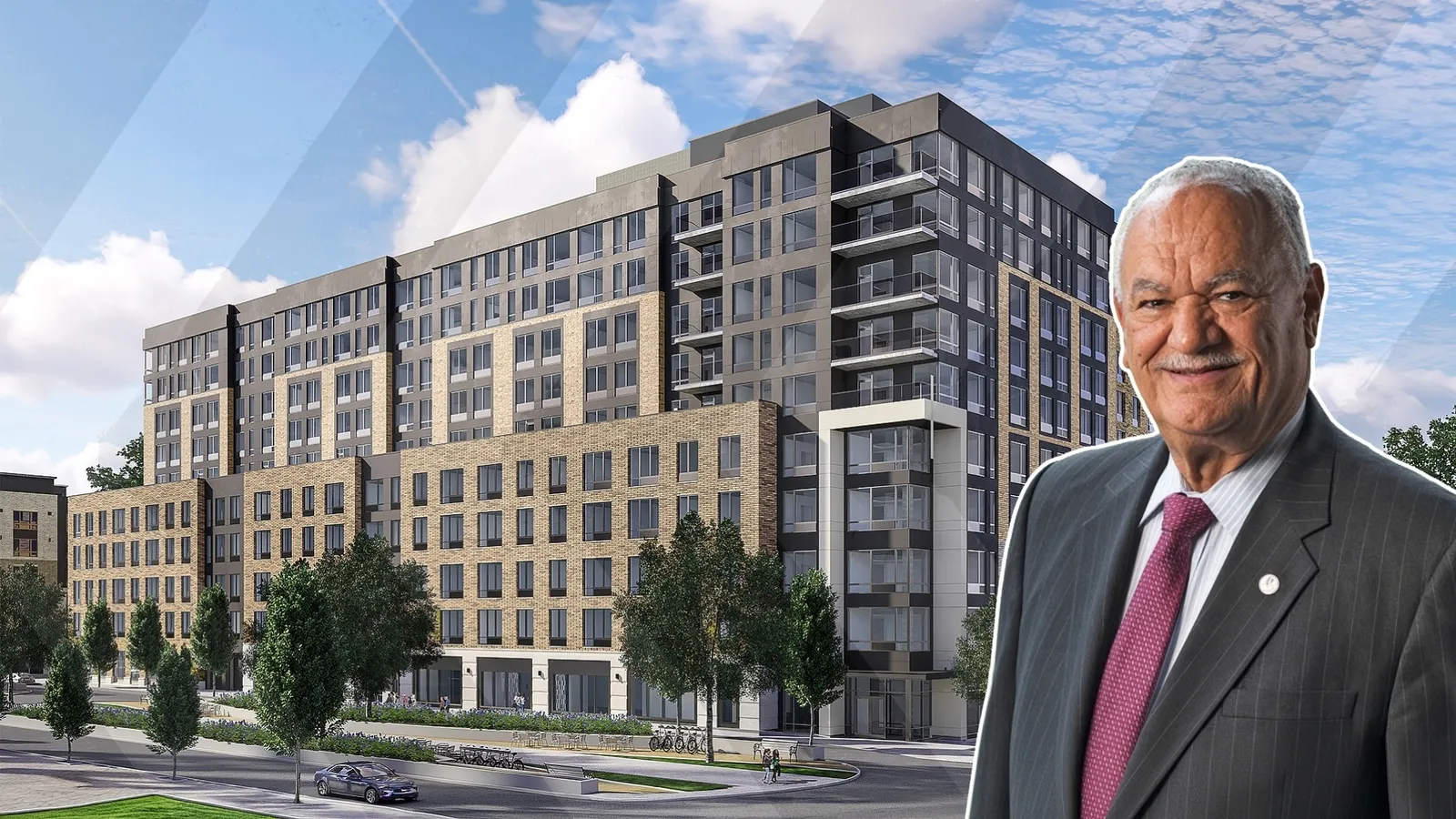
Image via Boraie Development

Traded Editorial
- Boraie Development has started construction on the first phase of Canal Crossing, a major redevelopment in Jersey City’s Bergen-Lafayette neighborhood.
- The roughly $320 million first phase will deliver 508 apartments, including 102 affordable units, plus approximately 20,000 square feet of commercial space and a 0.75-acre public park.
- A 30-year tax agreement is expected to generate about $1.9 million for the city in its first year, with 10% dedicated to Jersey City Public Schools.
What the First Phase of Canal Crossing Includes
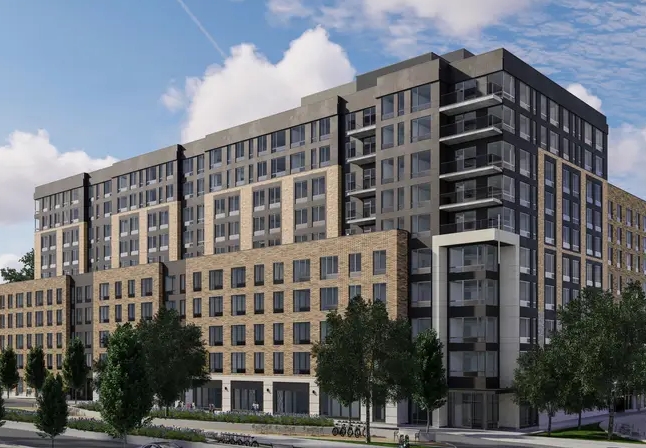
Boraie Development has broken ground on the first phase of Canal Crossing, a large-scale redevelopment of a former industrial site in Jersey City’s Bergen-Lafayette neighborhood. Located near the Garfield Avenue Hudson-Bergen Light Rail station, the project is intended to transform a long-vacant property into a new residential district with housing, retail and public infrastructure. The first phase is estimated to cost approximately $320 million and will include 508 apartments, with 102 reserved for households earning 50% or less of area median income. Plans also call for around 20,000 square feet of commercial space and a new public park spanning roughly three-quarters of an acre. The broader development could add another 1,700 apartments in future phases, according to Boraie Development principal Wasseem Boraie. That would bring the planned housing pipeline across the site to more than 2,200 units, although later phases remain future plans.
What the Tax Agreement Means for Jersey City
The Jersey City Council approved a 30-year payment-in-lieu-of-taxes agreement, commonly known as a PILOT, for the first phase. Instead of paying conventional property taxes, the development will make payments to the city under a negotiated revenue-sharing structure. The agreement is expected to generate approximately $1.9 million for the city during its first year. For the first 15 years, the developer will pay 10% of the project’s gross revenue annually. Payments then increase every three years, with a final five-year period requiring payment of either 12% of annual gross revenue or 80% of conventional taxes due, whichever is greater. A key feature is that 10% of the new PILOT revenue will go to Jersey City Public Schools, following a city ordinance requiring school funding to be included in new agreements. The arrangement is notable for a city balancing the need to attract development with pressure on public finances and school funding.
What the Brownfield Redevelopment Means for Bergen-Lafayette
Canal Crossing is planned for a 111-acre former chromium-processing site that remained vacant for decades. Environmental remediation has involved demolishing industrial buildings and removing contaminated soil, with groundwater cleanup still ongoing, according to the project coverage. The redevelopment will require new roads, utilities and sewer infrastructure, turning previously underused land into a transit-oriented neighborhood. Its location near the Garfield Avenue light rail station also gives future residents access to public transportation. For the development team, the challenge is making a large-scale project financially viable while addressing the costs associated with brownfield remediation and new infrastructure.
What Public Incentives Mean for Development Economics
Canal Crossing is supported by several layers of public financing. The New Jersey Economic Development Authority approved support through its Aspire program, covering up to 60% of eligible first-phase costs, or approximately $165 million. Hudson County leaders also approved bonding of up to $140 million to support the project. These commitments demonstrate how public-private partnerships can help unlock development on complicated sites where infrastructure and cleanup costs create significant barriers. Boraie Development has said the project would not be financially viable without government participation. For real estate investors, the deal highlights the importance of evaluating the entire capital stack, including tax agreements, public incentives, infrastructure obligations and affordability requirements. The PILOT provides a defined revenue-sharing structure for the city while helping support a project with substantial affordable housing commitments.
What Investors Should Watch Next
Construction has started on the first phase, but the longer-term opportunity depends on execution across multiple development stages. Investors should track construction progress, delivery of the 508 apartments, lease-up performance and the timing of future phases. The agreement also carries a public-finance dimension: the city expects new revenue while dedicating a portion to local schools. If the project delivers its planned housing, retail and park space, Canal Crossing could become a significant example of how redevelopment incentives can bring long-vacant urban land back into productive use.