

Nov 10, 2026
Bickerdike Secures Building Permits for $78M, 90-Unit Affordable Housing Tower in Chicago’s Edgewater
Bickerdike Redevelopment Corporation is developing a 90-unit affordable housing project at 5853 N.
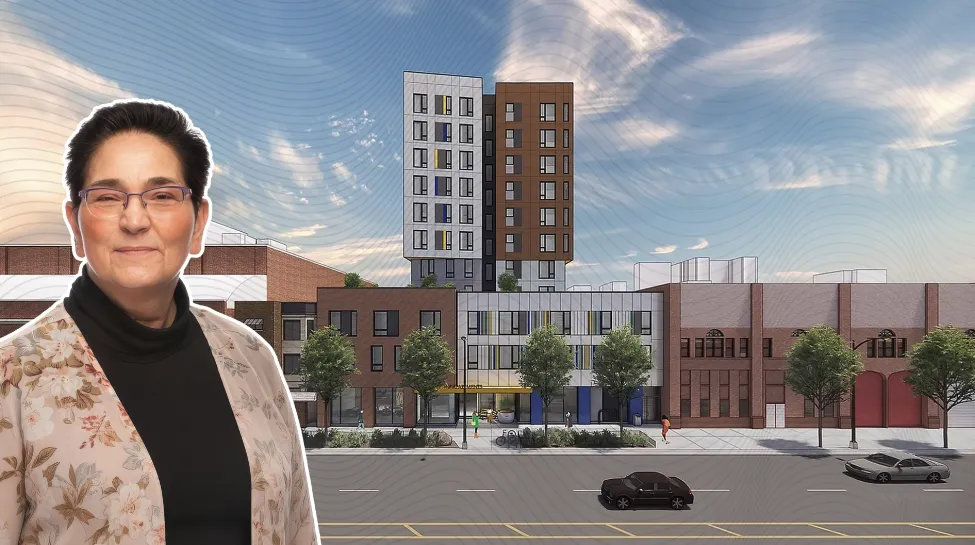
Image credit: LBBA Architects

Traded Editorial
- Bickerdike Redevelopment Corporation has received caisson and full building permits for an 11-story, 90-unit affordable housing development at 5853 N. Broadway in Chicago's Edgewater neighborhood.
- The project carries an estimated $78 million development cost, with the full building permit listing approximately $52.2 million in construction value.
- All 90 apartments will be affordable, with 85 reserved for households earning up to 60% of area median income (AMI) and five for households earning up to 30% AMI.
What Bickerdike Is Building at 5853 N. Broadway
Chicago's Edgewater neighborhood is moving closer to a significant affordable housing addition as Bickerdike Redevelopment Corporation secures permits for its planned development at 5853 N. Broadway. The 11-story building will replace a city-owned Department of Streets and Sanitation facility just south of West Thorndale Avenue and Broadway Armory Park. The site is also close to the CTA Red Line's Thorndale station, making transit access a central feature of the development. Designed by LBBA Architects, the project will deliver 90 apartments in a mix of 30 one-bedroom units, 50 two-bedroom units and 10 three-bedroom units.
What the $78M Development Will Include
The approximately 128-foot building will feature a three-story base along Broadway, with the residential tower set back above it. Its exterior will combine metal paneling and colorful accent elements. The ground floor will include a residential lobby, community space and property management offices. Residents will also have access to outdoor gathering areas and a rooftop terrace. The development will provide parking for residents, with the latest building permit identifying 16 covered but open parking spaces. The project's transit-oriented design also prioritizes access to public transportation.
What the Affordable Housing Financing Means
The project has an estimated development cost of approximately $78 million and is supported by several public financing sources. The financing package includes $18.5 million in city-issued tax-exempt bonds, $22 million in Tax Increment Financing (TIF) and $9.8 million in federal HOME funds, alongside additional funding sources. Chicago City Council approved the financing in September 2026. The city is also selling the publicly owned development site to the project for just $1. All 90 apartments will be income-restricted. Eighty-five units are designated for households earning up to 60% of AMI, while five units will serve households earning up to 30% of AMI. For investors and landlords, the project highlights how public financing, tax credits and nonprofit development partnerships can bring housing projects to construction in markets where conventional development economics may not support deeply affordable rents.
What the New Permits Mean for Construction
Chicago issued the caisson permit on November 5, followed by the full building permit on November 6, 2026. The permits allow the development team to move toward construction, although demolition of the existing city facility must also be addressed. Leopardo Construction is serving as general contractor, with McHugh Concrete handling concrete work. The permit records list approximately $16 million for the caisson work and roughly $52.2 million for the full building permit. These are permit valuations and should not be confused with the project's overall development budget.
What Comes Next for Edgewater's Housing Pipeline
The permits mark a major milestone for a project that has been advancing through planning and financing for several years. A definitive construction completion date has not been announced. For Chicago's multifamily market, 5853 N. Broadway represents a substantial investment in transit-oriented affordable housing. Its 90 apartments will add new residential capacity near the Red Line while transforming an underused municipal property into a permanent housing asset.