

Nov 27, 2026
Abode Communities Turns Former Metro Subway Staging Site Into 196 Affordable Apartments
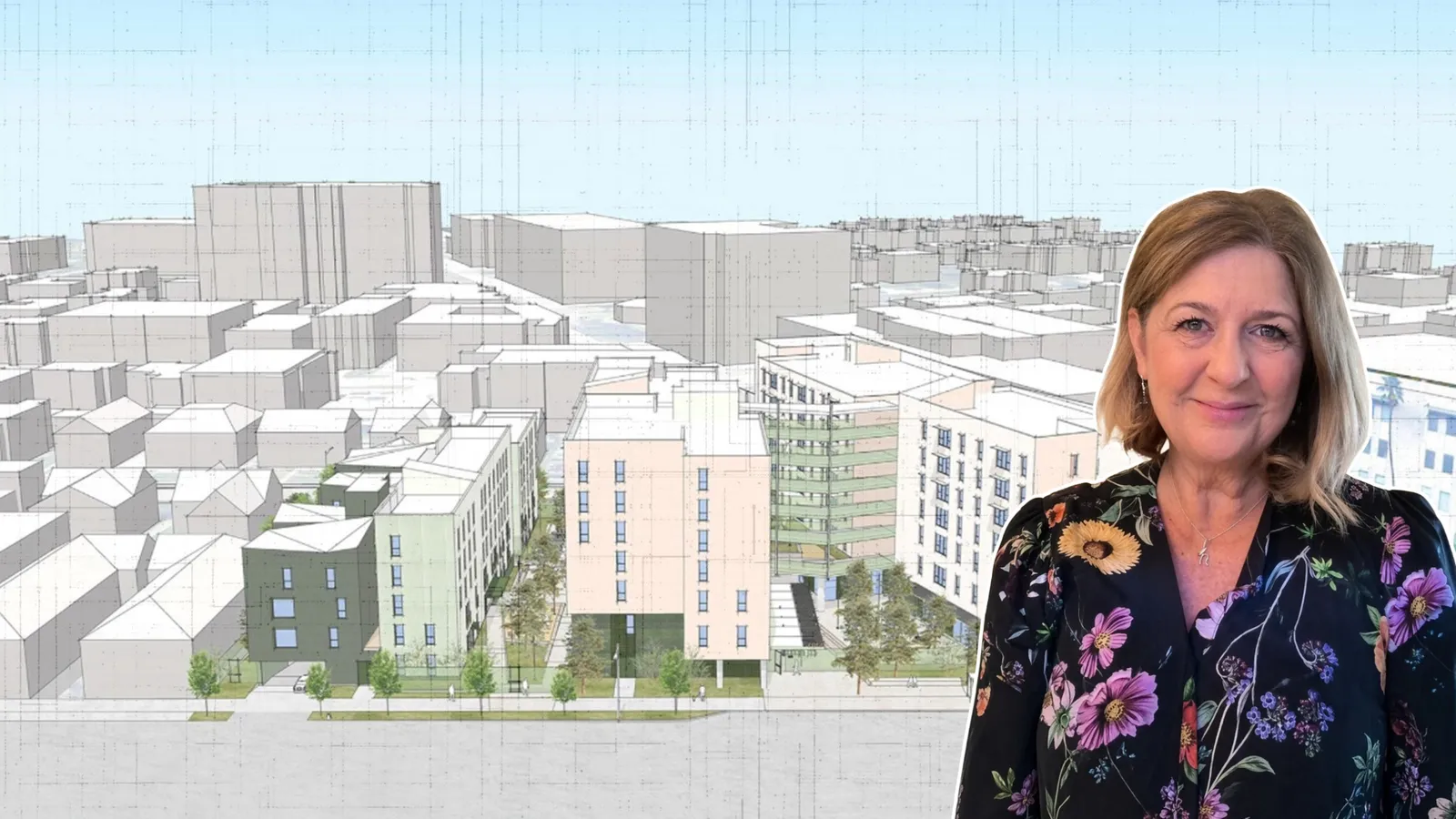
Abode Communities is developing a seven-story, 196-unit affordable housing project at Wilshire and Crenshaw Boulevards, with construction set to begin in 2028.

Traded Editorial
- Abode Communities is advancing a seven-story, 196-unit affordable housing development on Metro-owned land at Wilshire and Crenshaw Boulevards in Los Angeles.
- The project includes 6,300 square feet of commercial space, 110 parking spaces, a transit plaza and a landscaped courtyard.
- Rents are planned for households earning 30% to 60% of area median income, with construction projected to begin in 2028.
What Abode Communities Is Planning at Wilshire and Crenshaw
Abode Communities is moving forward with updated plans for a mixed-use development on a Metro-owned property previously used as a construction staging area for the D Line subway extension. The project, designed by Koning Eizenberg Architecture, would bring nearly 200 affordable apartments to a transit-connected site near Koreatown, Mid-Wilshire and Windsor Square.
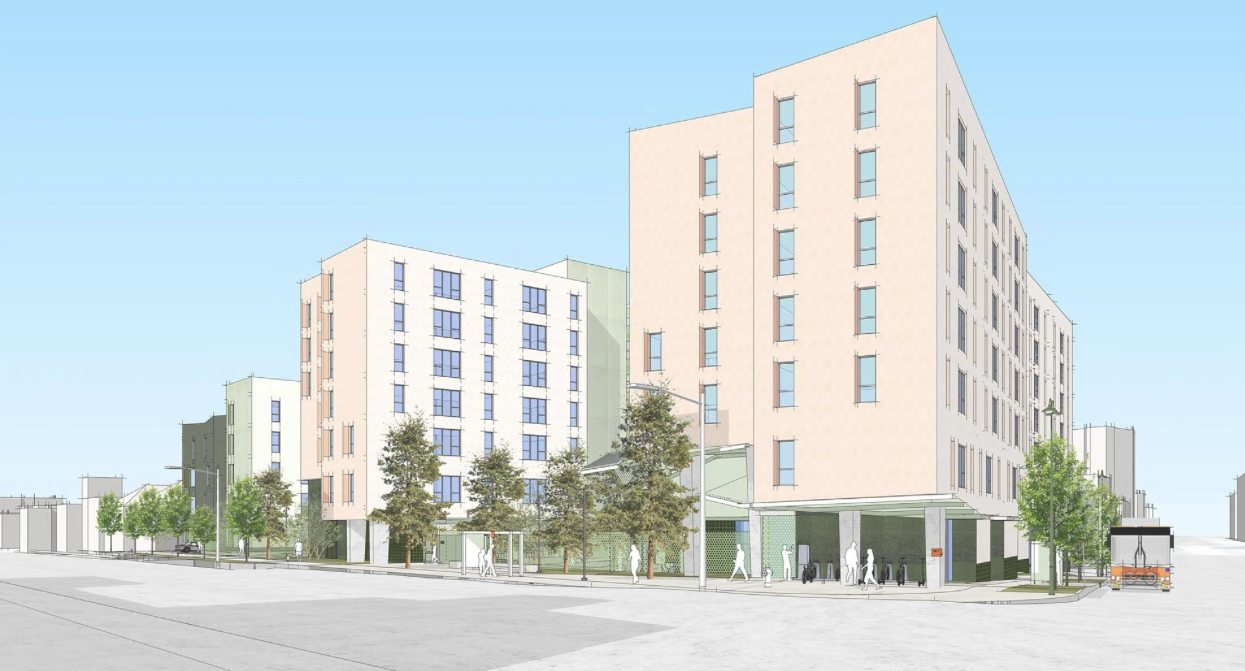
The latest application, filed with the Los Angeles Department of City Planning, shows a more colorful exterior and a building design broken into smaller sections rather than one continuous block.
The proposal includes 196 apartments, including two manager units, with rents targeted to households earning between 30% and 60% of area median income.
What the Development Will Include
The seven-story project is designed to combine housing, neighborhood-serving retail and transit amenities. Plans call for 6,300 square feet of ground-floor commercial space and parking for approximately 110 vehicles.
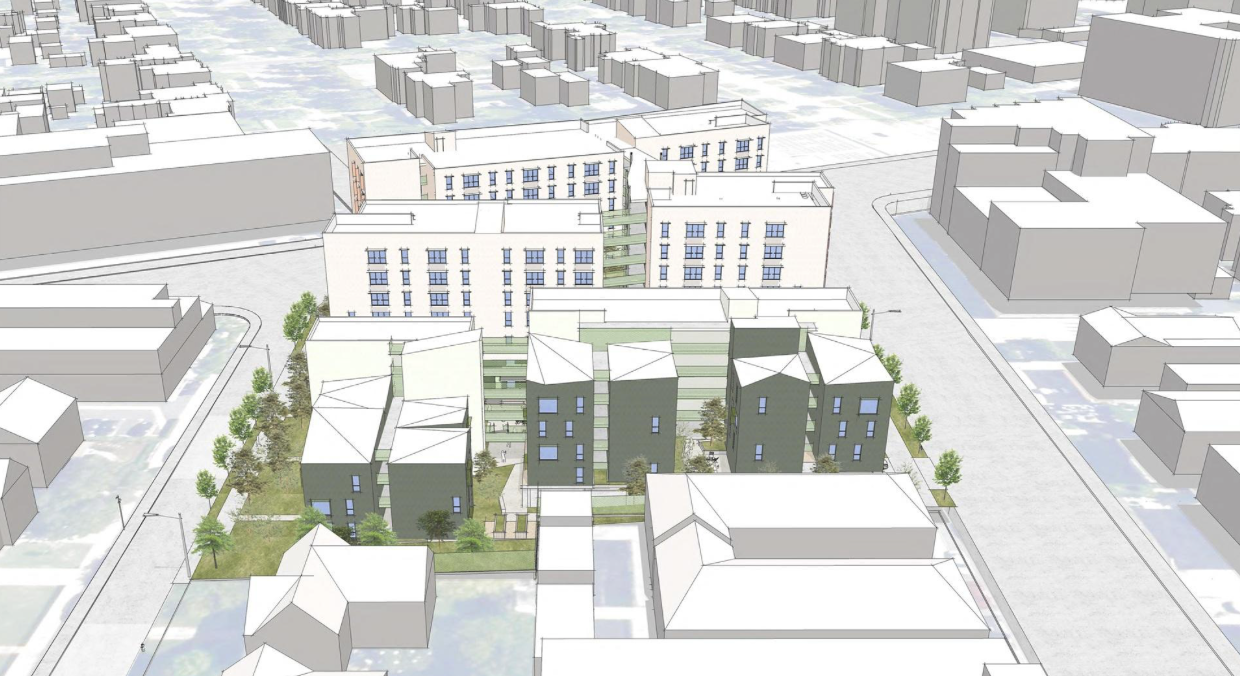
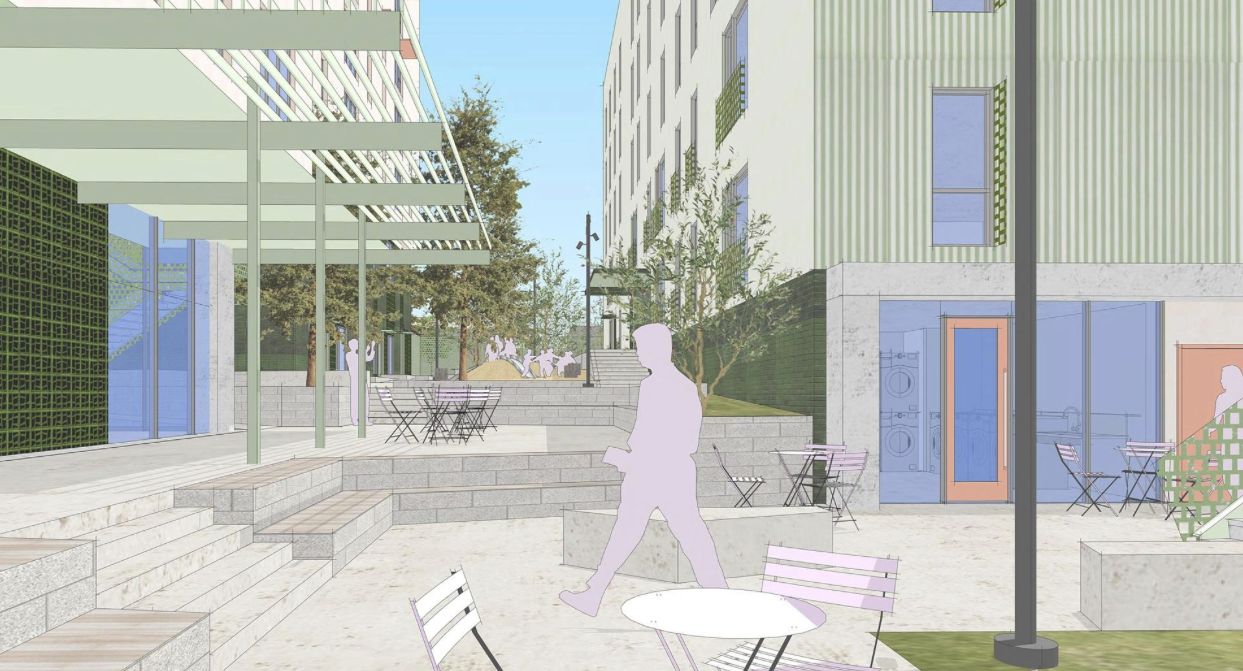
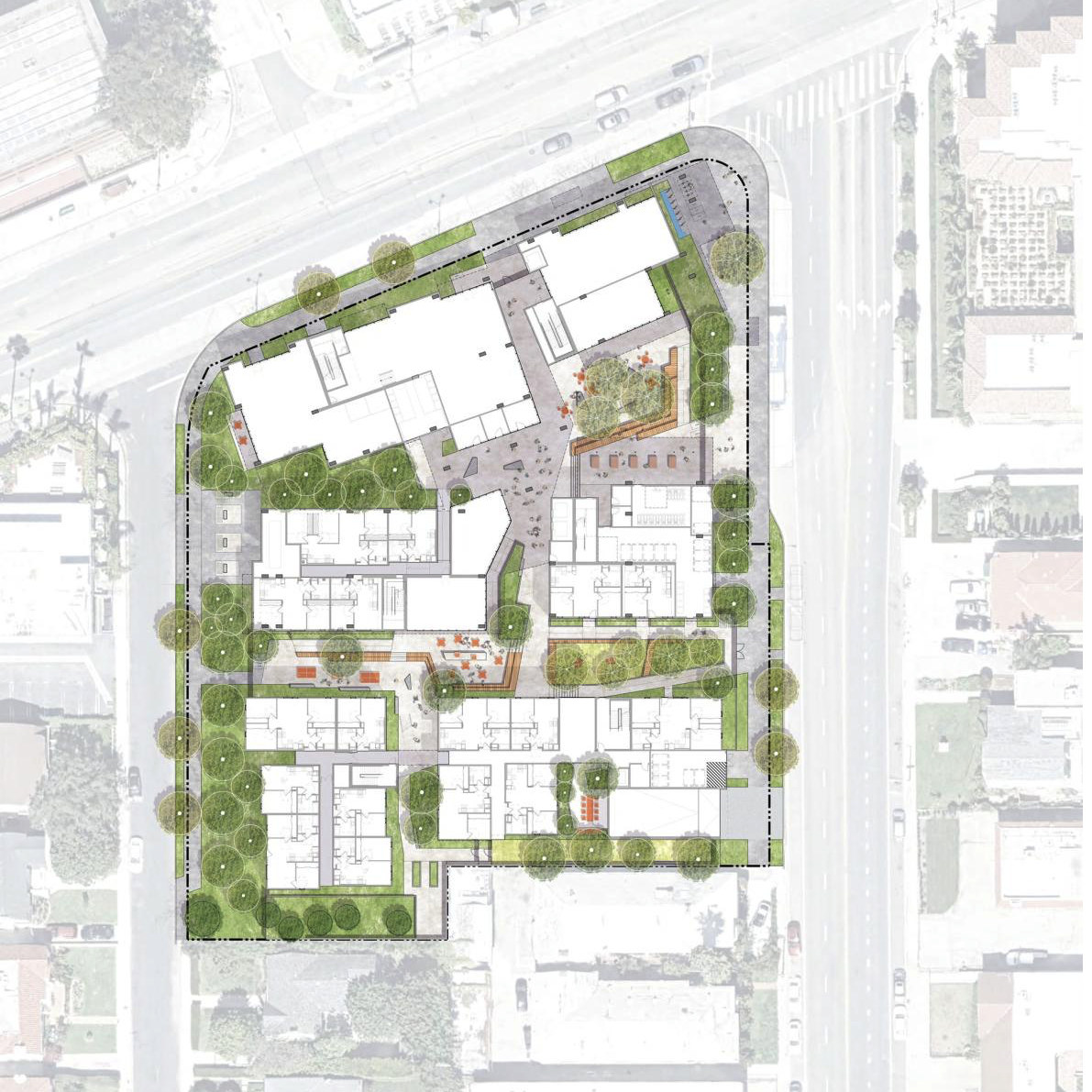
The design also includes a new transit plaza and a large ground-floor courtyard. Buildings will step down toward nearby single-family homes on Lorraine Boulevard, with three-story sections transitioning to five and six stories before reaching seven stories along Wilshire Boulevard.
The configuration creates internal courtyards and pedestrian paseos intended to give the development a more open, park-like feel.
What AB 2011 Means for the Project
The application cites California’s AB 2011, a state law that provides an approval pathway for qualifying residential projects in certain commercial zones. The law can streamline approvals for eligible developments that meet affordability, labor and other requirements.
Los Angeles City Planning says qualifying projects may receive ministerial review and avoid the standard CEQA process, provided statutory conditions are satisfied. The law includes separate eligibility and affordability requirements for fully affordable and mixed-income developments.
For developers, the legislation can make suitable commercial properties more viable for housing. For this project, the use of Metro-owned land near major transit infrastructure adds another layer to the city's strategy of pairing housing with transportation access.
What the Project Means for Metro’s Development Strategy
The Wilshire-Crenshaw proposal is part of a broader effort to put Metro-owned property to work for housing. Metro has outlined a goal of developing 10,000 homes on agency-owned land by 2031, including at least 5,000 income-restricted homes.
The project also fits into Los Angeles’ broader transit-oriented housing strategy. The city reports that its Transit Oriented Communities program has entitled more than 38,000 homes near transit, with 22% designated as affordable.
For investors and developers, the site illustrates how public land, transit access and state housing legislation can combine to advance projects that might be difficult to deliver through conventional market-rate development.
What Comes Next
The updated plans are now part of the city planning review process. A separate project timeline reported in September 2026 projected construction beginning in 2028, with work continuing through 2030 and leasing expected that year.
The key takeaway: Metro’s land portfolio is becoming an increasingly important source of development sites, while Abode Communities’ proposal shows how transit-adjacent parcels can support substantial affordable housing and neighborhood-serving commercial space.