

Jan 29, 2024
Ozinga Family Seeks Green Light for Revival of Chicago's Underground Warehouse Project
The Ozinga family is seeking to breathe new life into a groundbreaking underground warehouse project on the Southeast Side of Chicago.

Traded Editorial
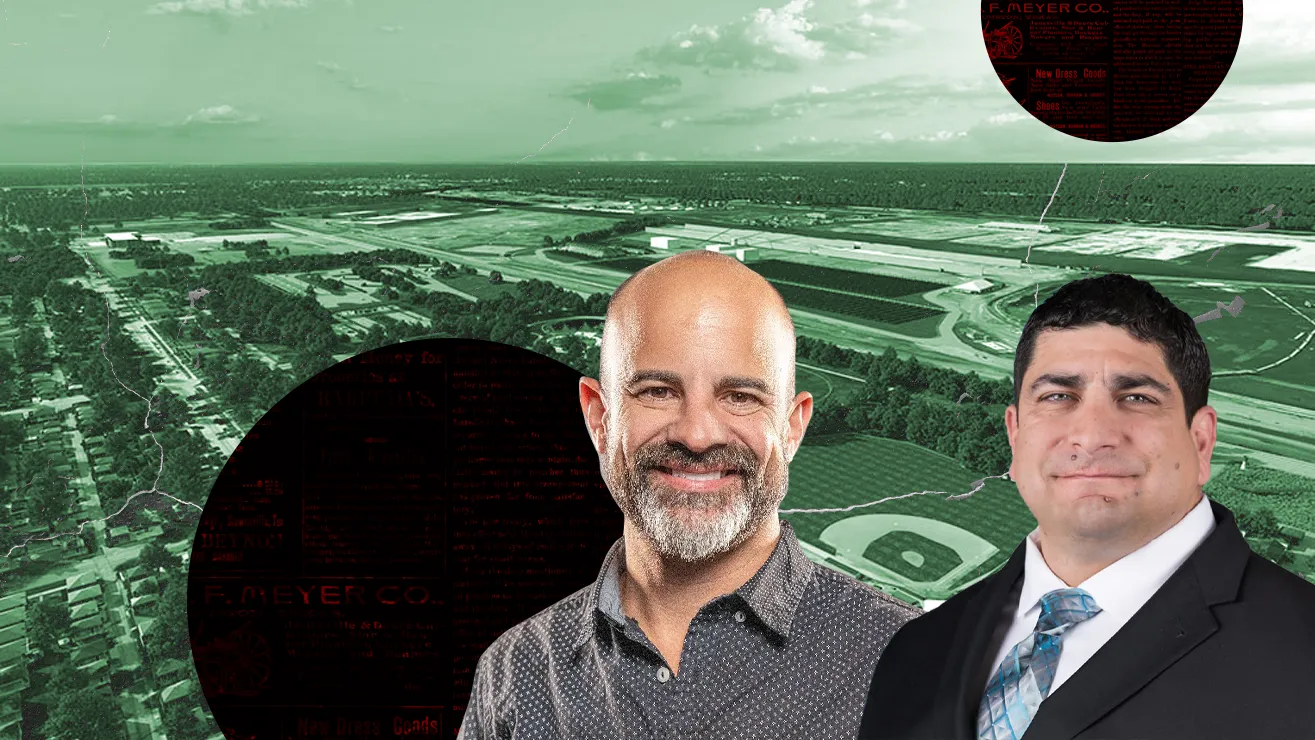
The Ozinga family is seeking to breathe new life into a groundbreaking underground warehouse project on the Southeast Side of Chicago. Titled the Invert, this ambitious endeavor faced a setback last year when city officials deemed it in violation of a mining ban law. The Ozingas, renowned for their concrete and material business, appeared to be at a crossroads, with no choice but to abandon their plans for the site on South Buffalo Avenue. However, there may still be hope. With the support and intervention of local officials, the Invert could rise from the ashes and reshape the landscape of warehousing in the city, as reported by the Chicago Sun-Times.
The Invert's Exciting Evolution
A visionary proposal has been set in motion by Alderman Peter Chico of the 10th Ward. His proposed ordinance seeks to embrace a zoning amendment that would open up new possibilities for the Invert. After dedicating over three years to its development, Chico envisions the Invert as a sprawling project encompassing 6 million square feet of dynamic commercial spaces. These spaces would cater to a diverse range of needs, including warehousing, light manufacturing, and data centers.
Supporting Chico's ambitious endeavor is Alderman Gilbert Villegas, recognizing the immense economic opportunities that the Invert holds for the city. This visionary project aims to breathe life into an area that has previously faced job losses and challenges. Situated on the expansive 144-acre expanse of former Republic Steel industrial land, the proposed site has not been without its fair share of controversy, often attracting the attention and scrutiny of community activists.
The Ongoing Concerns Surrounding a Controversial Project
The potential revival of a certain project has sparked a heated debate among local residents and environmental advocates. At the center of the controversy lies the extensive excavation required for the project. Critics argue that the lack of community involvement in the decision-making process is deeply disrespectful. Olga Bautista, co-executive director of the Southeast Environmental Task Force, expressed her frustration, feeling blindsided by the sudden development. As the project moves forward, concerns linger regarding the impact on the surrounding area.
Amidst the growing tension, the fate of the project now hangs in the hands of Chico's measure and the Council's zoning committee. Alderman Maria Hadden, also the chair of the Committee on Environmental Protection and Energy, has insisted on further consideration of the project's potential consequences. This comprehensive approach demonstrates the importance of addressing both environmental and community concerns in order to find a balanced resolution.
A Path Towards Sustainable Economic Development
In light of a binding agreement entered into by the city of Chicago, a remarkable opportunity presents itself to address a federal civil rights case pertaining to environmental permitting. This agreement, a result of a previous environmental dispute in the 10th Ward, has raised questions about how to foster economic development without compromising environmental integrity.