

Jun 13, 2026
Trinity Church Unveils New Renderings for 120-Unit Affordable Tower in FiDi
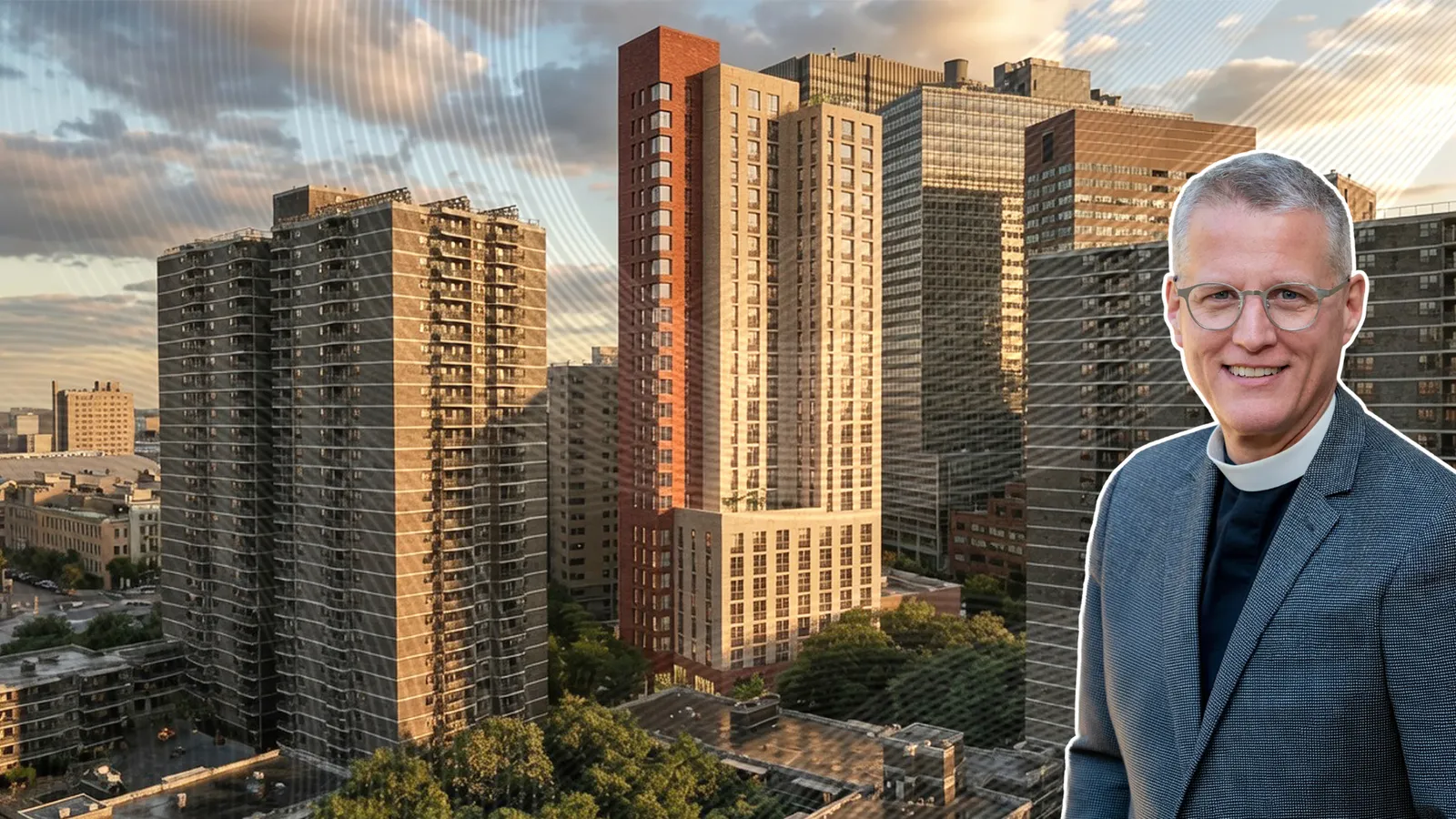
Trinity Church and Settlement Housing Fund have released new renderings for a planned affordable housing development at 50-58 Cliff Street in Lower Manhattan. The 24-story project will bring 120 income-restricted apartme…

Traded Editorial
- Trinity Church and Settlement Housing Fund revealed new renderings for a 24-story affordable housing tower at 50-58 Cliff Street in Manhattan's Financial District.
- The nearly $70 million development will deliver 120 below-market-rate apartments, including 18 units reserved for formerly homeless individuals.
- The project will include ground-floor social services and community spaces, and will be built to Passive House standards.
What Trinity Church Is Planning at 50-58 Cliff Street
A new affordable housing tower is moving forward at 50-58 Cliff Street in Manhattan's Financial District. Developed by Trinity Church and Settlement Housing Fund, the 24-story building will rise on a 6,000-square-foot site near the corner of Cliff and Fulton Streets. The project represents another effort to expand affordable housing opportunities in Lower Manhattan while incorporating supportive services and community programming. Trinity Church will maintain ownership of the land through a 99-year ground lease.
What the Development Includes
The nearly $70 million project will deliver 120 below-market-rate rental apartments. Of those units, 18 will be reserved for formerly homeless individuals. The building will also include ground-floor social services designed to support residents and the surrounding community. Additional amenities will include an outdoor terrace, a food-focused learning space, and flexible rooms for workshops, events, and community gatherings.
What the Design Looks Like
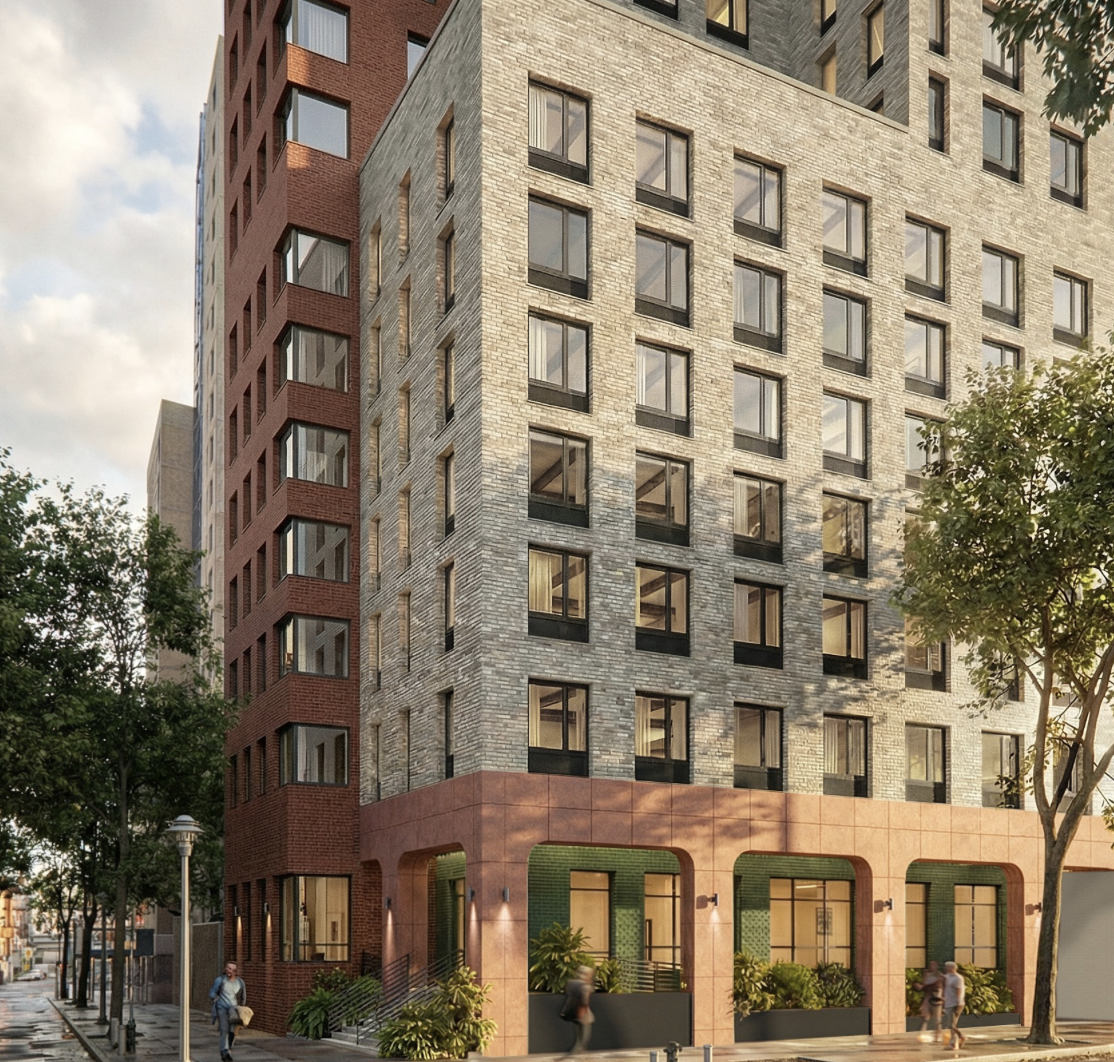
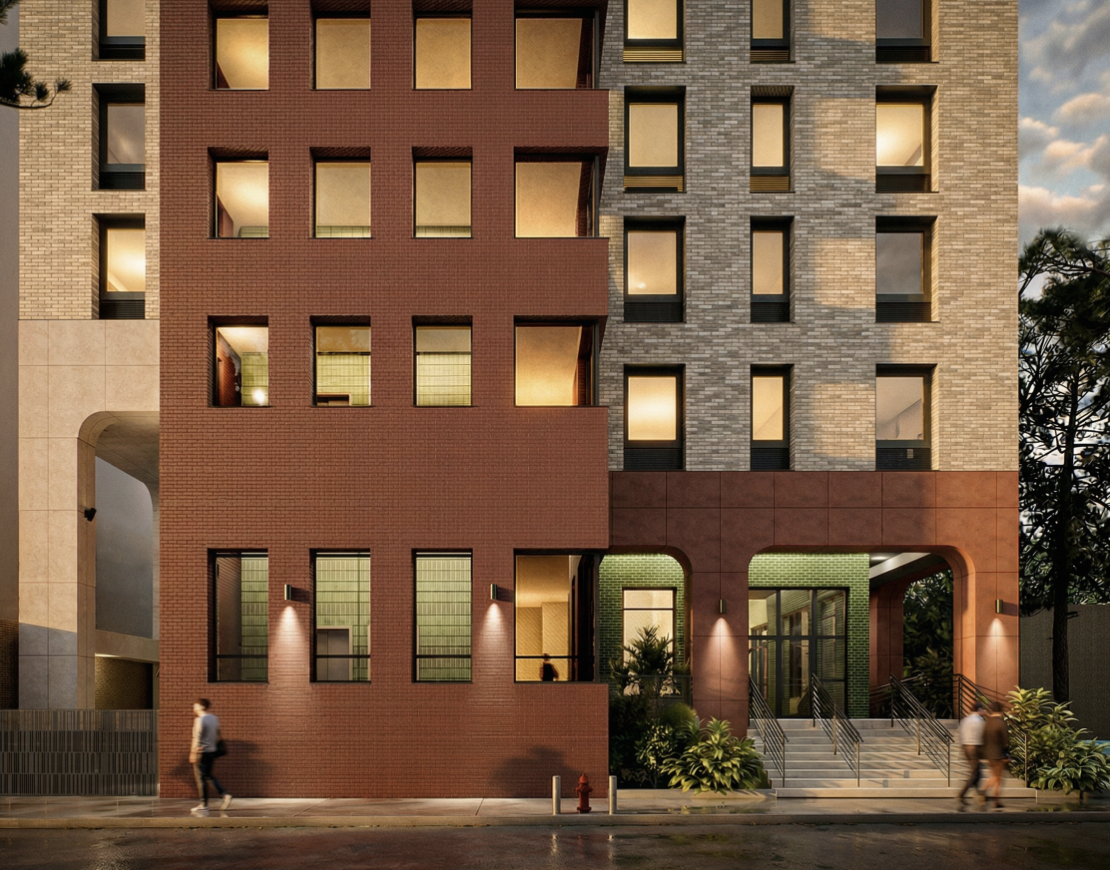
Dattner Architects designed the building with a three-tiered massing that rises above a podium base. The facade will feature a mix of beige and red brick, punctuated by a grid of punched windows. Large arched openings at street level will frame a ground-floor arcade and landscaped entrance sequence, drawing inspiration from historic architectural elements found throughout the Financial District. Green brick accents and stepped garden beds are also incorporated into the design to create a more inviting pedestrian experience.
What Makes the Project Significant
The development will be constructed to Passive House standards, emphasizing energy efficiency and long-term sustainability. The project sits near several major transit connections, including the Fulton Street transit hub, providing residents with access to multiple subway lines throughout Manhattan and the outer boroughs. Its location in the Financial District also places affordable housing near employment centers, public services, and neighborhood amenities.
What Happens Next
Construction is currently expected to begin in the fall of 2027, with completion anticipated in 2030. Once finished, the project will add new affordable housing inventory to Lower Manhattan while supporting broader efforts to create sustainable, community-oriented development in one of New York City's most densely populated neighborhoods.