

Nov 14, 2025
Timber Equities Preps 197-Unit Residential Project on Former St. Columba Church Site in Chelsea
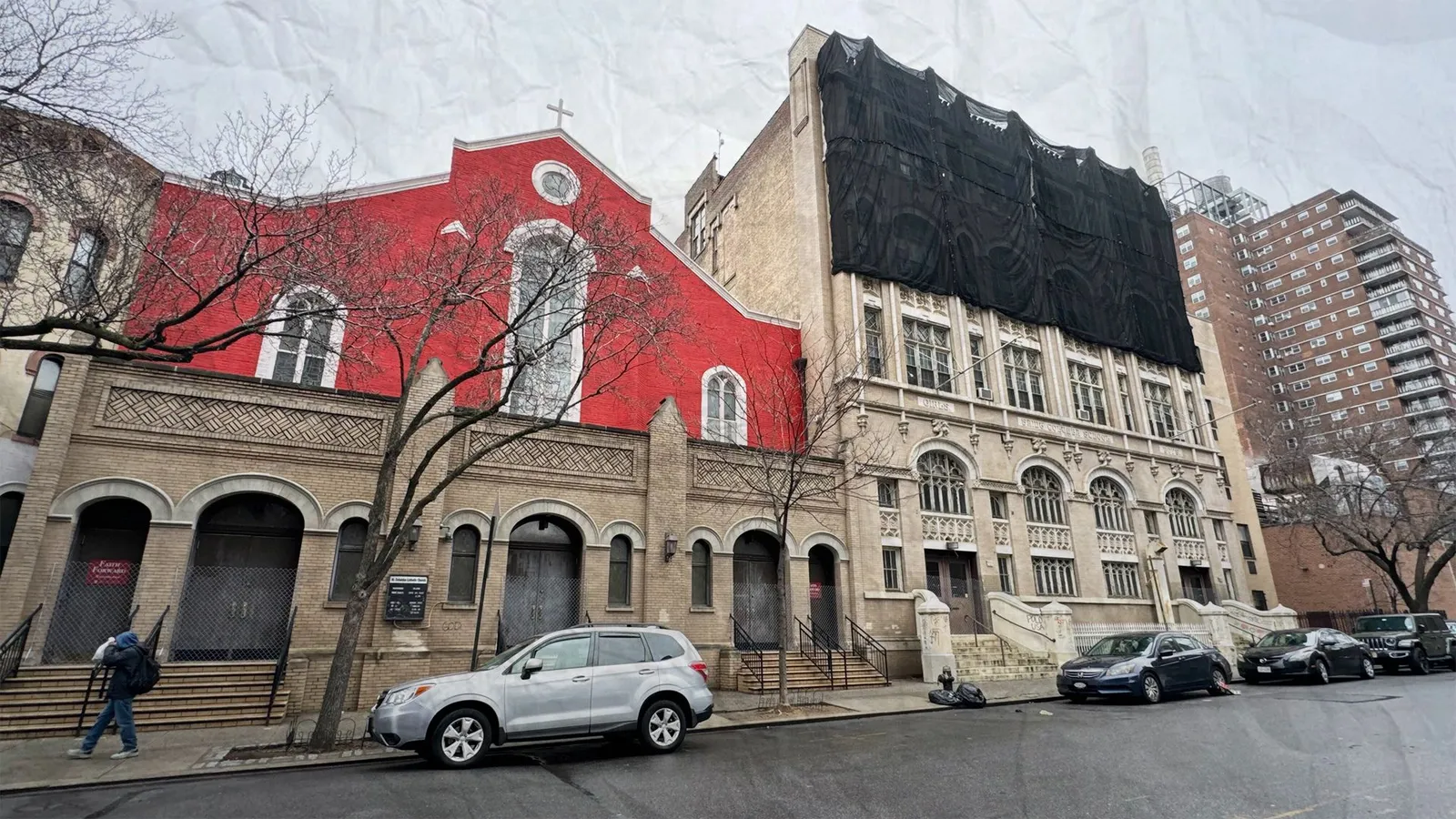
Developer Timber Equities has filed plans to build 197 rental units across two new 14-story buildings at 335 and 345 West 25th Street in Chelsea. The land acquisition: the firm closed on the former church campus of St. C…
Traded Media

Traded Editorial
Key Points
-
Developer Timber Equities has filed plans to build 197 rental units across two new 14-story buildings at 335 and 345 West 25th Street in Chelsea.
-
The land acquisition: the firm closed on the former church campus of St. Columba Catholic Church/convent/rectory/school for about $48.25 million in August 2025.
-
The project will take advantage of the city’s 485-x tax abatement program and a universal affordability/preference density bonus in Manhattan.
A significant residential conversion is moving ahead in Manhattan’s Chelsea market. Timber Equities plans to replace the former St. Columba church campus with nearly 200 new rental apartments. This matters for landlords, brokers and investors because it signals ongoing demand and development appetite in Manhattan’s supply-constrained mid-market residential neighborhoods. The blog will unpack the deal, the development plan and what it means for nearby investment risks and opportunities.
Deal & Site Overview
-
The site is the former campus of St. Columba Catholic Church at 335 and 345 West 25th Street, between 8th and 9th Avenues.
-
Timber Equities paid approx. $48.25 M for the parcel in August 2025.
-
Plans call for two separate 14-story rental buildings: one with 98 units, the other with 99 units, total 197 units.
-
Each building is estimated at roughly 100,000 gross sq ft.
-
The property will make use of the 485-x tax abatement and universal affordability bonus to boost density or economics.
Market Context & Investor Insight
-
Development sites in Manhattan are under pressure because zoning, land costs and supply constraints keep entry hard. This deal reinforces the “buy the land, convert” thesis for established markets.
-
For landlords: More supply entering a core neighborhood like Chelsea could impact rental competition, though luxury-residential in Manhattan tends to segment.
-
For brokers and investors: Having visibility into major conversions helps identify where land/lots in nearby zones might appreciate or where value creation occurs from repurposing legacy institutional assets (churches, schools, etc.).
-
Tax abatements like 485-x can materially change underwriting for rental projects; inclusion of affordability bonuses means development economics hinge on how many “affordable” units (or bonus density) the developer secures.
Risks & Considerations
-
The project is early stage (filing of plans): ultimate unit mix, finishes and absorption timing remain fluid.
-
Supply risk: 197 units entering the Chelsea rental market could place some pressure depending on renter demand, pricing and lease-up speed.
-
Land cost: paying about $48 M for the site implies a heavy investment; success depends on construction cost control and execution.
-
Neighborhood dynamics: Chelsea has evolved with art, galleries, retail and convert-to-residential projects — but such transitions can bring zoning, historical preservation or community resistance risks.
The Timber Equities conversion of the former St. Columba church campus into a 197-unit rental project underscores the continuing appeal of Manhattan’s tightly-zoned core neighborhoods, especially for developers leveraging tax incentives and institutional land assets. For CRE brokers, landlords and investors, it’s a reminder that large-scale residential supply is still viable in premium markets, though success depends on savvy underwriting and location execution.