

Apr 9, 2026
NYC Landmarks Commission Designates Three Immigration-Era Buildings Across Brooklyn and Manhattan
Traded Media

Traded Editorial
- The New York City Landmarks Preservation Commission designated three historic properties tied to immigration history
- Sites span Brooklyn Heights, Lower East Side, and Chelsea
- Designation limits redevelopment while preserving culturally significant assets
What landmark designation mean for these properties
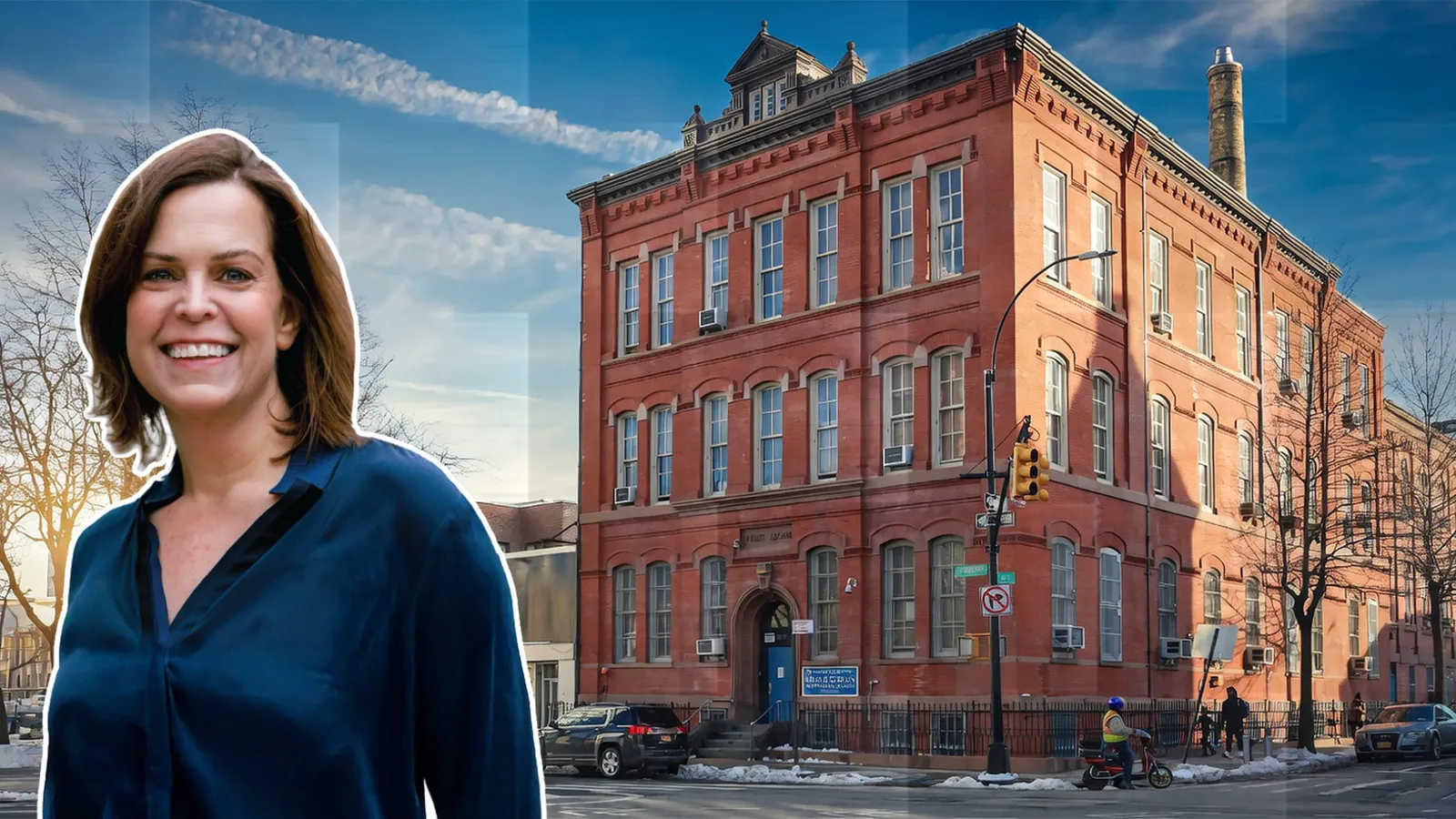
The New York City Landmarks Preservation Commission has officially designated three properties as individual landmarks, adding new restrictions on redevelopment while preserving their historical significance. The sites include the Public School 15 Annex in Brooklyn, the Church of Saint Mary on the Lower East Side, and the Lithuanian Alliance Building in Chelsea. Each reflects a different wave of immigrant history that helped shape New York City. For property owners and investors, landmark designation typically means limitations on alterations and redevelopment, but it can also enhance long-term value through historical recognition and tax incentives.
What these buildings represent historically
Each property highlights a unique piece of New York’s immigration story. The Public School 15 Annex, built in 1889, served immigrant communities in Brooklyn by providing vocational and academic training, particularly for young women entering the workforce. The Church of Saint Mary, completed in 1833, stands as one of the oldest Catholic institutions on the Lower East Side, reflecting early Irish and European immigrant populations. The Lithuanian Alliance Building in Chelsea became a hub for Lithuanian Americans, offering financial support and cultural programming while also housing a long-running publication.
LPC executive director Lisa Kersavage said, “New York City’s history is the history of immigration, and the three landmarks designated today provide a tangible connection to places that helped communities establish roots and create lasting opportunities.”
What this means for development in these areas
Landmark designation introduces stricter oversight on any future changes to these properties, requiring approvals for exterior modifications and limiting large-scale redevelopment potential. In neighborhoods like the Lower East Side and Chelsea, where land values remain high, this can reduce opportunities for ground-up development or major repositioning. However, these protections also contribute to neighborhood stability and character, which can support surrounding property values over time.
What this means for investors and landlords
For real estate investors, landmarked properties present a different type of opportunity. While redevelopment flexibility is reduced, these assets often benefit from long-term preservation, unique positioning, and potential tax advantages. The designations also signal the city’s continued commitment to preserving culturally significant buildings, which can influence future zoning and development patterns across similar neighborhoods. For landlords, owning or operating near landmarked sites can enhance tenant appeal and location branding, particularly in historically rich submarkets.