

Jun 11, 2026
NYC Completes First Phase of $200M Battery Resiliency Project
New York City has completed the first phase of the Battery Coastal Resilience project, a $200 million effort designed to protect Lower Manhattan from future flooding and sea-level rise. The milestone marks a significant…

Traded Editorial
- The first phase of the Battery Coastal Resilience project has been completed in Lower Manhattan.
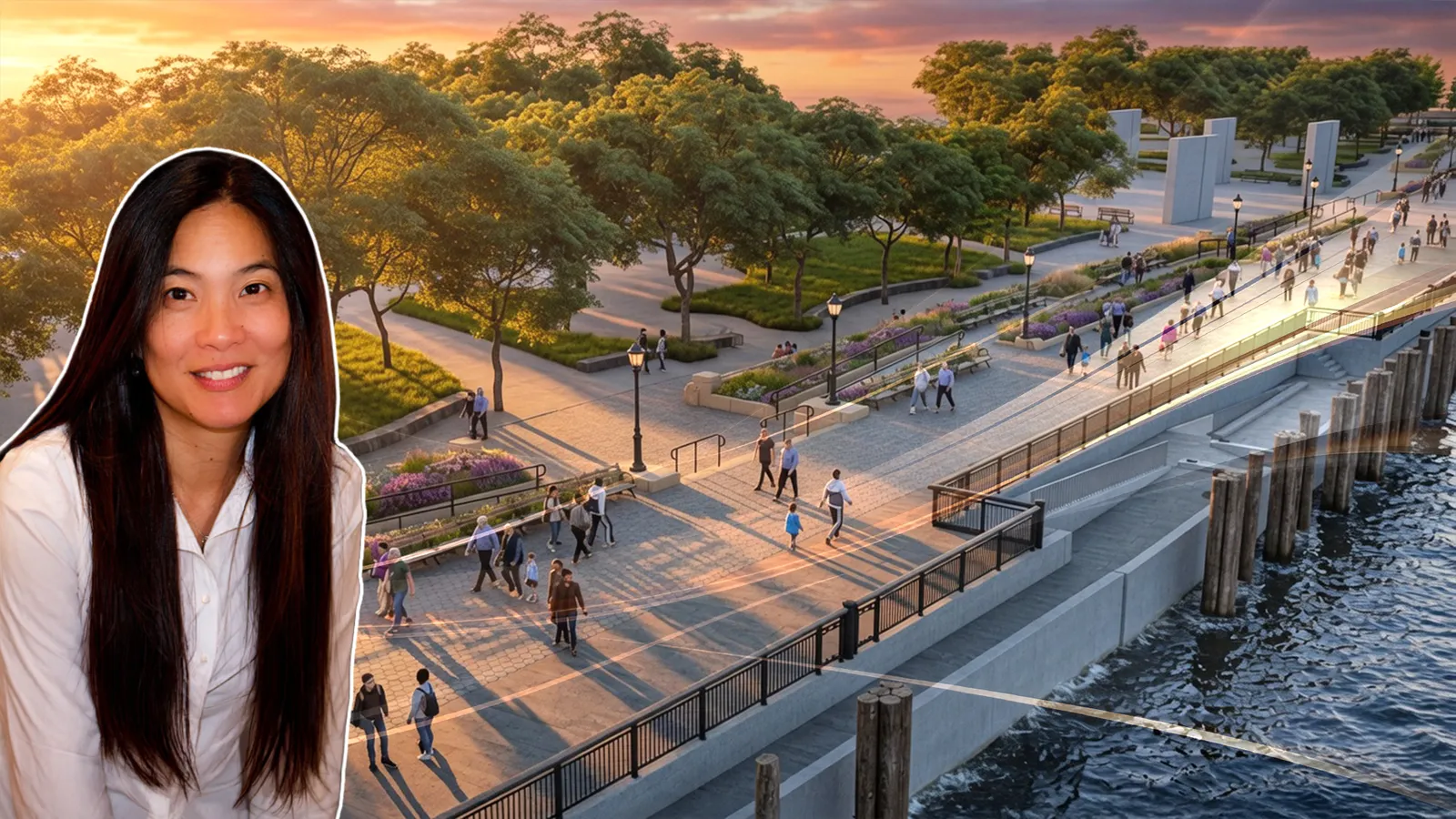
- The $200 million phase elevated and reconstructed part of the historic wharf promenade to protect against projected sea-level rise through 2100.
- The project is part of New York City's broader $2.7 billion Lower Manhattan coastal resiliency strategy.
- The second and final phase is scheduled for completion in 2027.
What Was Completed at The Battery
New York City has reached a major milestone in its ongoing climate adaptation efforts with the completion of the first phase of the Battery Coastal Resilience project in Lower Manhattan. Led by NYC Economic Development Corporation (NYCEDC), NYC Parks, and the Mayor's Office of Climate & Environmental Justice, the $200 million phase focused on rebuilding and elevating a portion of The Battery's historic wharf promenade. The improvements are designed to strengthen the waterfront against future flooding and projected sea-level rise through the end of the century while preserving one of New York City's most visited public spaces.
What Infrastructure Improvements Were Made
The completed phase included the reconstruction and elevation of key waterfront infrastructure along the southern edge of Manhattan. Project teams incorporated a variety of sustainable construction practices throughout the development process. Low-carbon and reclaimed materials, including granite, wood, and bronze, were utilized where possible to reduce environmental impacts while maintaining the historic character of the waterfront. To further minimize disruptions and emissions, many construction materials were transported by barge rather than truck. Officials estimate this approach eliminated more than 2,000 truck trips through Lower Manhattan streets during construction.
What the Larger Resiliency Plan Includes
The Battery project is one component of New York City's broader $2.7 billion Lower Manhattan coastal resiliency strategy. The long-term initiative is intended to protect more than 100,000 residences, 300,000 jobs, and approximately 12,000 businesses from future flooding and climate-related risks. The strategy includes multiple projects along Manhattan's waterfront designed to improve resiliency while enhancing public access and open space. As climate adaptation becomes an increasingly important priority for coastal cities, projects like The Battery are serving as examples of how infrastructure investments can balance environmental protection, economic security, and public use.
What Happens Next for the Project
Construction efforts will now move into the second and final phase of the Battery Coastal Resilience project. The upcoming phase will reconstruct and elevate the remaining section of the wharf promenade, creating a more continuous flood protection system around the park. Officials currently expect the final phase to be completed in 2027. Once finished, the full project will provide additional protection for critical infrastructure, historic landmarks, businesses, and residents throughout Lower Manhattan.
What This Means for Lower Manhattan
The completion of phase one represents another step forward in New York City's efforts to prepare for the long-term impacts of climate change and rising sea levels. Beyond flood protection, the project enhances one of Manhattan's most iconic waterfront destinations while supporting the area's economic activity and public spaces. As Lower Manhattan continues to evolve, resiliency projects like this are becoming increasingly important to protecting both public and private investments along the city's coastline.