

Feb 18, 2026
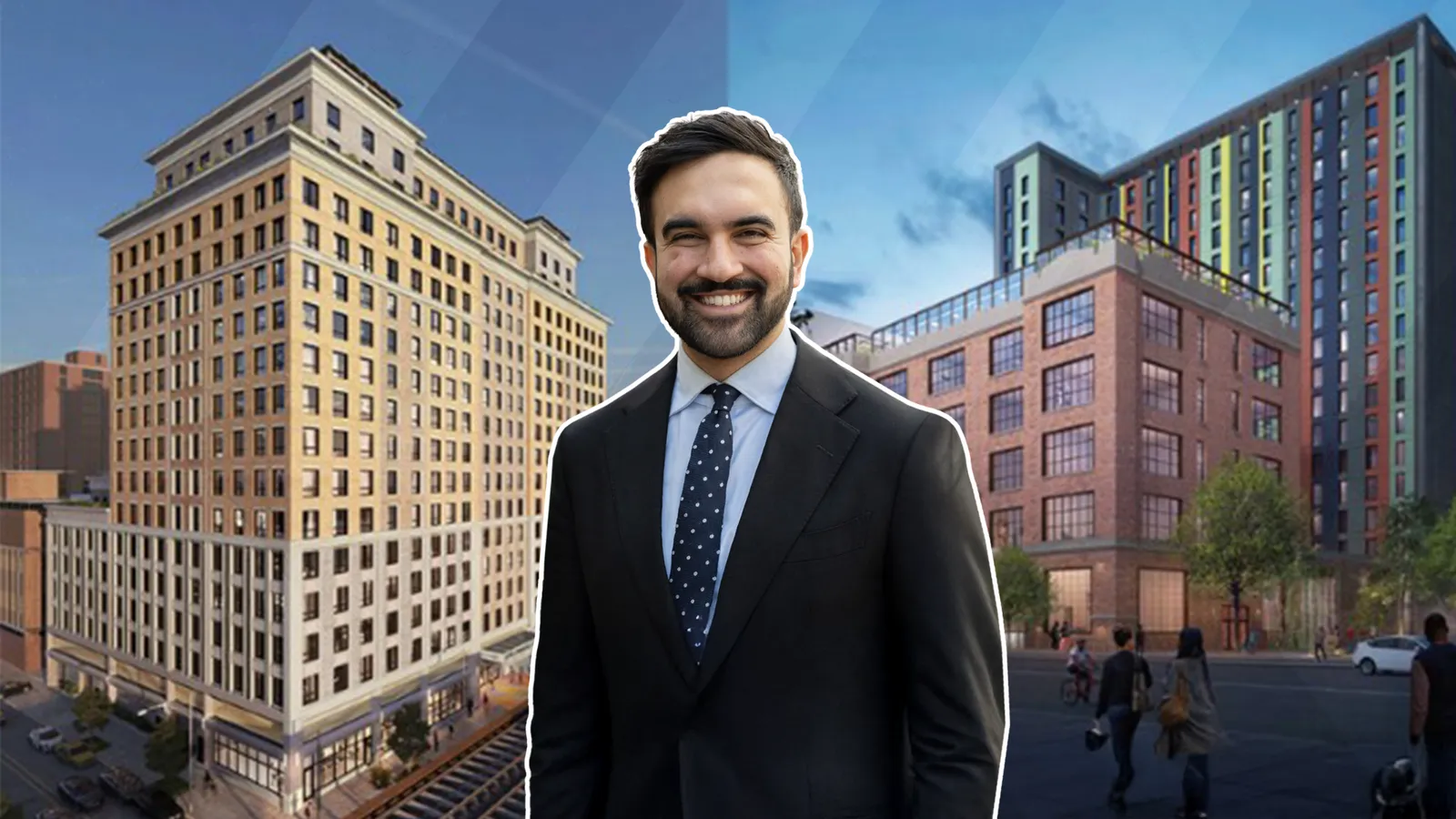
Mayor Zohran Mamdani Joins Officials to Break Ground on $255M Timbale Terrace in East Harlem With 340 Affordable Units
Traded Media

Traded Editorial
Key Points:
- Mayor Zohran Mamdani attended the groundbreaking of Timbale Terrace, a $255M, 100% affordable housing project in East Harlem
- The 20-story building will deliver nearly 100 supportive housing units and more than 240 additional affordable apartments
- The project advances the city’s plan to build 25,000 homes on underutilized public land over the next decade
City-Owned Land Unlocks 340 Affordable Units
Mayor Zohran Mamdani joined officials in East Harlem to break ground on Timbale Terrace, a 20-story, 100% affordable housing development rising on a former NYPD parking lot along East 119th Street. The project will deliver nearly 100 apartments for formerly homeless residents and more than 240 additional income-restricted units, adding roughly 340 affordable homes to Manhattan’s pipeline. The initiative aligns with City Hall’s broader strategy to identify publicly owned sites capable of supporting at least 25,000 new homes over the next 10 years.
100% Affordable With Cultural Anchor
Timbale Terrace will also house the new home of the Afro Latin Jazz Alliance, integrating cultural space into the residential development. Designed by Diller Scofidio + Renfro, the building blends affordable housing, supportive services, and community space in a single vertical project. Rents will include approximately 61 one-bedroom apartments around $900 per month, and 44 two-bedroom units, renting for about $2,550, reflecting varying income bands within the affordable spectrum.
$255M Public Investment
With a total development cost of approximately $255 million, the project represents one of the more significant affordable housing investments currently underway in Manhattan. The building will also include a new garage for police vehicles, maintaining municipal functionality while unlocking housing density on underutilized land. While some neighbors have expressed concerns about the concentration of supportive housing in the area, city officials argue that transit access, existing infrastructure, and public ownership make the site ideal for housing production.
Public Land as Housing Strategy
For developers and institutional partners, Timbale Terrace underscores a growing theme in New York. Public land is becoming one of the most viable pathways to scale affordable housing production. As private land acquisition costs remain high, partnerships between the city and nonprofit or mission-driven developers are increasingly central to the housing pipeline.
Final Thoughts
The groundbreaking of Timbale Terrace marks another step in New York’s push to convert city-owned land into long-term affordable housing assets. With 340 income-restricted units and cultural programming integrated into the design, the project highlights how public-private collaboration continues shaping the next phase of Manhattan development.