

Mar 10, 2026
LCOR and NJ TRANSIT Advance $900M Hoboken Connect Mixed-Use Megaproject at Historic Waterfront Terminal
Traded Media

Traded Editorial
Key Points
• $900M transit oriented redevelopment at Hoboken Terminal
• Includes 386 apartments, Class A office, retail, and public plazas
• Major public infrastructure funded alongside private development
What the Master Plan Means for Waterfront Mixed Use Density
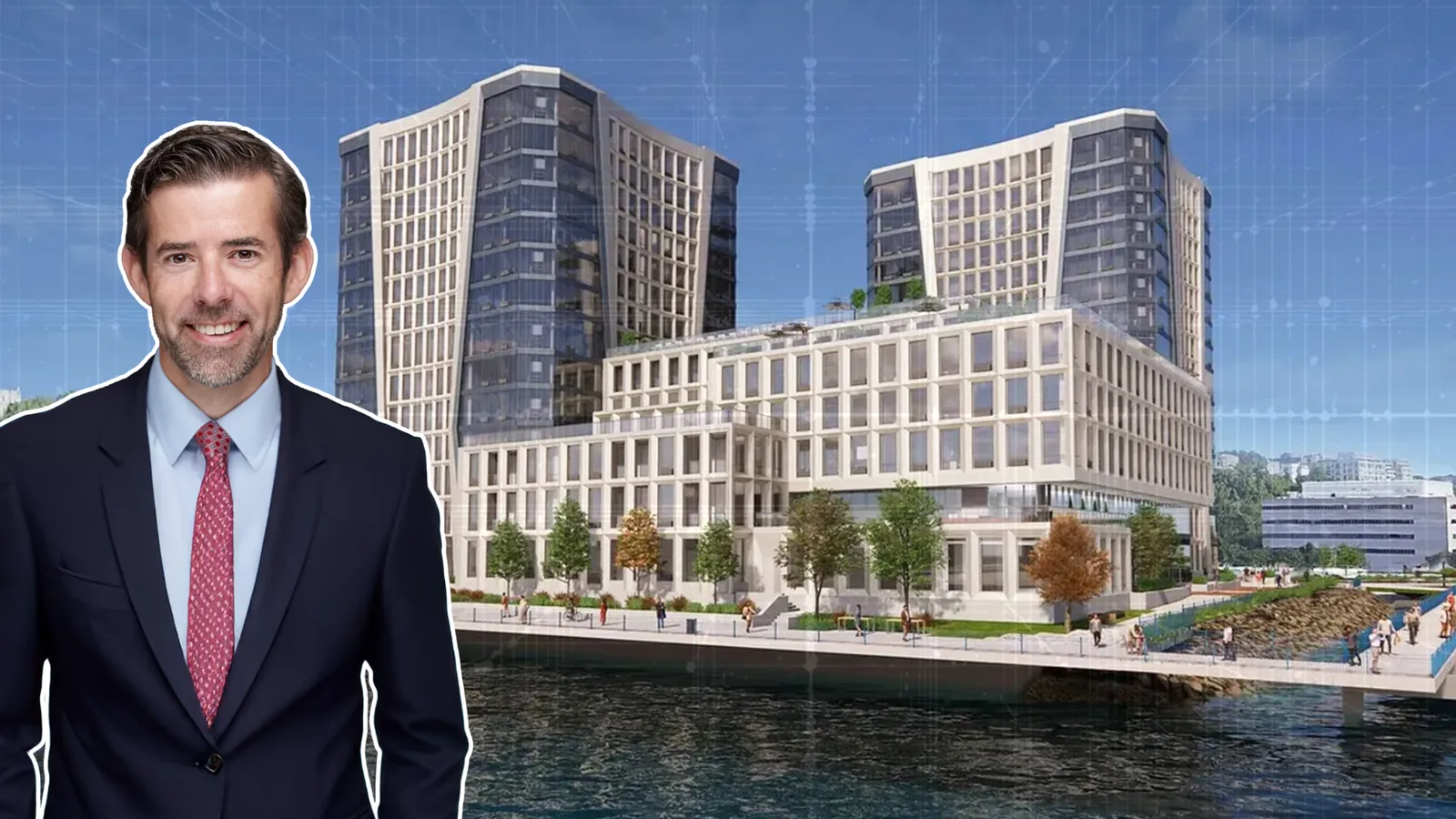
Hoboken Connect is a $900 million redevelopment centered on the historic ferry terminal and surrounding rail yards. The plan delivers a 27-story, 386-unit residential tower, a 21-story Class A office building, street-level retail, and large public gathering spaces. The scale makes it the largest master planned project in Hoboken’s history. Concentrated density at a multi-modal transit hub creates the type of live-work-play node institutional capital favors.
What the Public-Private Partnership Means for Project Execution
The project is led by LCOR in partnership with NJ TRANSIT and the City of Hoboken. LCOR was named master developer in 2005, reflecting a long-cycle entitlement and planning effort typical of complex transit-oriented projects. State backing, including funding commitments from New Jersey leadership, has been critical to advancing infrastructure in parallel with private vertical development. Large-scale TOD projects depend on alignment between transit agencies, municipalities, and private capital.
What the Historic Restoration Means for Place-Making Value
A centerpiece of the plan is the restoration of the Hoboken Terminal and its Beaux Arts ferry building. The early 1900s structure will be repositioned as a public and commercial venue while preserving architectural elements like its copper façade and stained glass features. Warrington Plaza next door will be redesigned as an active public square connecting the waterfront to downtown. Historic adaptive reuse adds experiential value that modern ground-up projects often lack.
What the Phased Timeline Means for Delivery Risk
Construction on the residential tower began in late 2024, launching the first vertical phase. Public infrastructure components, including Hudson Place and a new bus terminal, are targeted for early 2026. The residential building is expected in 2027, followed by completion of the ferry terminal restoration and plaza later that year. The office tower will move forward once an anchor tenant is secured, reducing speculative leasing risk.
What the Infrastructure Upgrades Mean for Transit-Oriented Demand
Major mobility improvements are integrated into the redevelopment. Plans include a new bus terminal, enhanced pedestrian and cycling routes, flood resiliency upgrades, and a redesigned “living street” that prioritizes walkability and open space. These upgrades improve the commuter experience while supporting higher surrounding property values. Transit access spans PATH, rail, ferry, bus, and light rail connections into Manhattan and across New Jersey.
What Market Positioning Means for Office and Multifamily Demand
Developers are targeting demand for trophy office space and amenity-rich rental housing in walkable environments near major employment centers. Waterfront access, transit connectivity, and curated retail help position the project to capture tenants priced out of Manhattan while still needing proximity to it. This hybrid value proposition has become a defining theme across Hudson River submarkets.
What This Means for Transit-Oriented Investors
Transit agencies nationwide are monetizing land around stations to unlock recurring revenue and drive housing supply. Hoboken Connect shows how public land, historic assets, and private capital can combine to create durable mixed-use districts that strengthen ridership and long-term real estate value.