

Dec 9, 2025
GFP Real Estate Set to Deliver 3,700 New Housing Units in NYC’s 100 Gold Street Revamp

Traded Editorial
Key Points
- GFP Real Estate to redevelop 100 Gold Street into 3,700 apartments, replacing a city office building
- At least 25% of units will be permanently affordable
- Includes 40,000 sq ft of public space, a fitness center, and a new senior facility
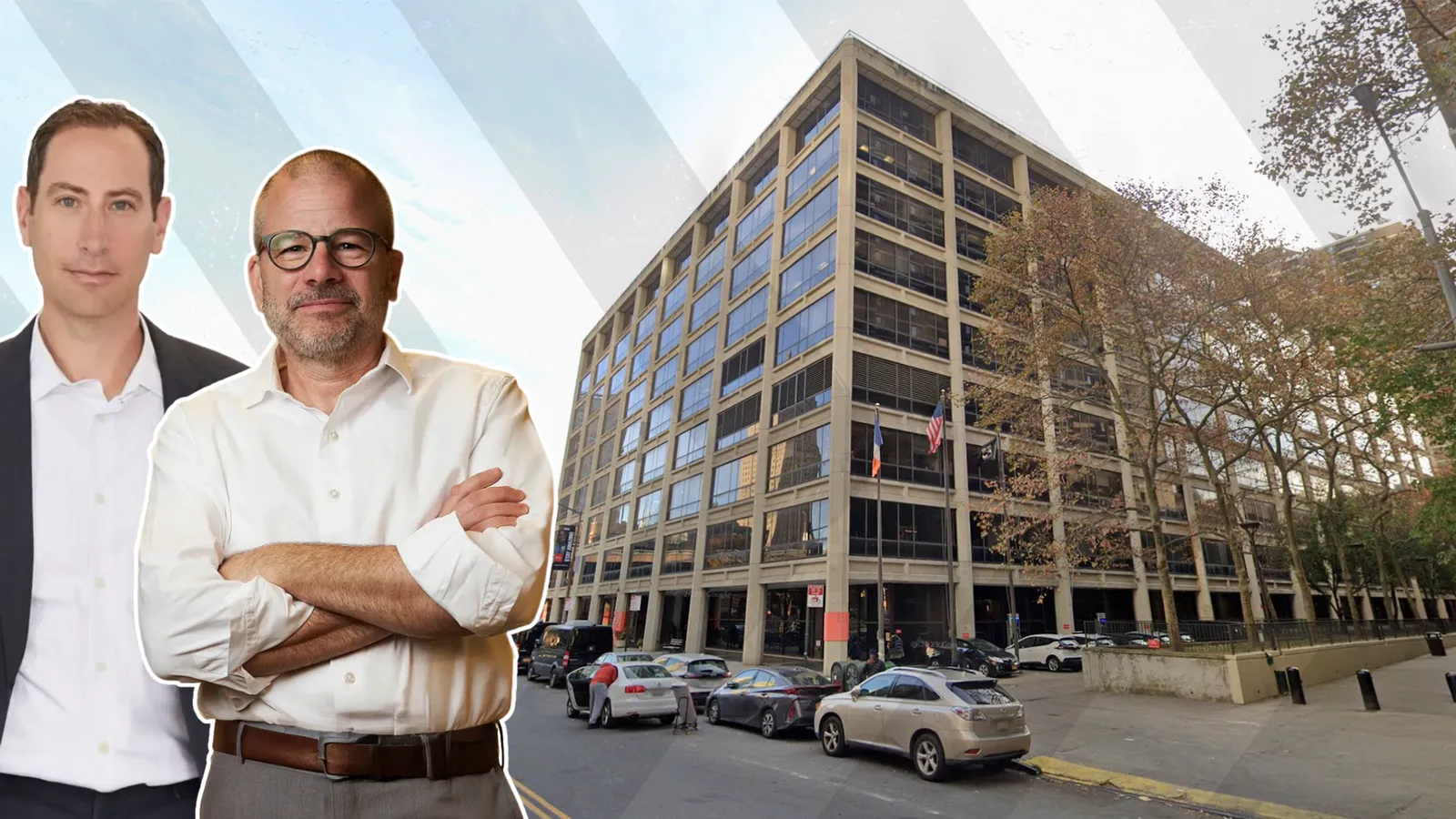
NYC just handed GFP Real Estate one of the largest housing redevelopment deals on city owned land. The site: 100 Gold Street, a 1960s government office in Lower Manhattan. The plan: 3,700 mixed income units, community amenities, and a new model for how the city uses its real estate.
This project isn’t just another conversion. It’s a signal. The city is turning outdated public assets into high density housing at scale. Here's what’s coming and why it matters to landlords and investors.
Inside the 100 Gold Deal
- The building has housed city agencies since 1993 but rehab costs were too high
- NYCEDC issued an RFP in March 2025, initially targeting 1,000+ units
- GFP’s winning bid triples that. A major density boost in a tight market
What GFP Is Building
Bigger Than Expected
- Final plan: 3,700 units, far above early projections
- 25% affordable, meeting city mandates while preserving scale
Public Perks Built In
- 40,000 sq ft of open space
- Public fitness center
- New senior center to replace existing nonprofit facility
What Moves Out
- Existing city agencies will relocate
- ULURP expected to start in 2027. Construction follows
Landlord Takeaways
Supply Surge in FiDi
- Nearly 4,000 new units will test demand, pricing, and absorption
- May create ripple effects for existing Class B and C multifamily nearby
Public Land, Private Upside
- NYC is unlocking value on government owned sites
- Expect more RFPs as other outdated properties get reevaluated
Conversions with Scale Win
- GFP’s track record includes 25 Water Street, one of the largest office to resi plays in the U.S.
- Deep experience with downtown conversions positions them well for execution
What 100 Gold Street Signals for NYC’s Housing Future
This is the city’s new blueprint. Replace underused civic buildings with dense, mixed income housing. For developers, it’s proof that scale is back. For landlords, it’s a preview of where the competition and opportunity is headed