


What Poppi's $1.95B Exit Says About Where Beverage Dollars Are Headed
A single-digit share of the market is driving nearly a third of its growth. That's the gap investors should be watching in the beverage sector right now. Functional sodas account for only about 6% of total U.S. bevera…
Reading the Poppi Exit
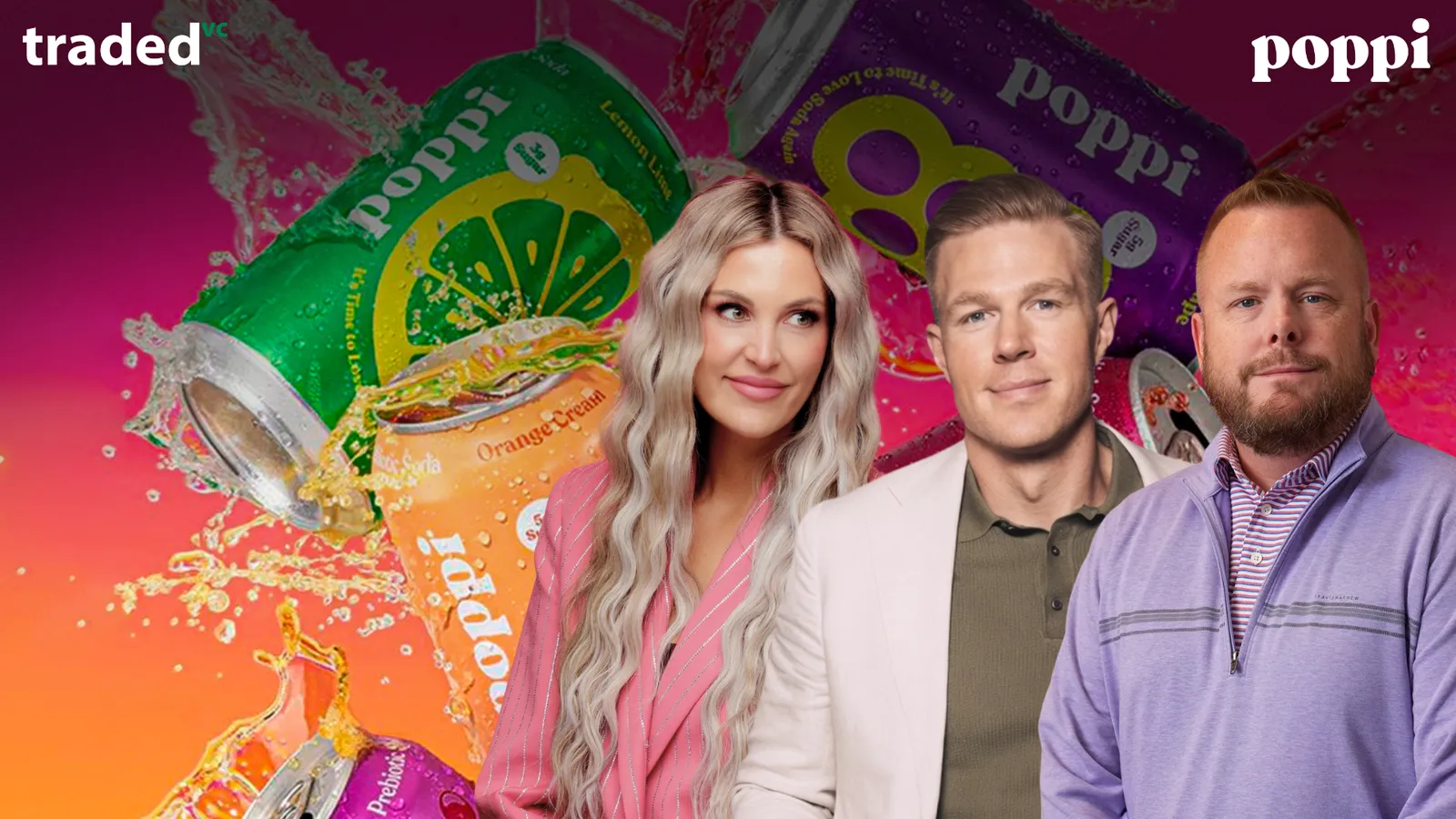
Poppi is the case study everyone points to. Allison and Stephen Ellsworth turned a kitchen-counter apple cider vinegar drink into a company that PepsiCo bought in 2025 for $1.95 billion, one of the largest transactions in the "better-for-you" soda space. Before the deal, Poppi had reached an estimated $500 million in annual revenue, roughly five times what it did the year prior, and had landed shelf space in more than 36,000 stores. This deal serves as a useful reminder of how quickly a wellness brand can move from garage-startup territory to a nine-figure exit once it's riding the right consumer shift.
The Category Is Bigger Than One Company
Poppi grabs headlines, but the sizing data around the broader market is arguably the more important story for anyone evaluating this space:
The global functional beverage market is on track to grow from $245.8 billion in 2026 to $443.6 billion by 2033. U.S. functional sodas alone are projected to compound at 6.8% annually through 2033. Volume for non-alcoholic beer, wine, spirits, and ready-to-drink substitutes is expected to jump 50% between 2025 and 2030, part of a worldwide non-alcoholic beverage market set to cross $157 billion by year-end 2026. Nootropic drinks and supplements, the cognitive-boosting adjacent segment, were already worth $5.2 to $6.0 billion in 2025, with double-digit growth expected through 2033.
Consumer research points in the same direction. The National Restaurant Association's "What's Hot" survey lists non-alcoholic drinks among the top restaurant trends of 2025. Robert F. Kennedy Jr. helped shape updated federal dietary guidelines released in January 2026, which steer people away from ultra-processed foods and added sugar and toward healthier, whole-food alternatives. Legacy beverage and food companies are responding by opening their wallets: lobbying spend across the industry has reportedly hit a record $113 million since the current administration took office, according to Politico.
That kind of spending suggests incumbents view reformulating their portfolios as a matter of survival, not a nice-to-have.
The Investor Takeaway
Three forces are lining up at the same time: younger consumers drinking less alcohol, federal policy working against legacy sugary formulations, and a real exit precedent in Poppi proving acquirers will pay up for brands that moved early. With the category still commanding less than a tenth of the total beverage market share, there's substantial room left to run, meaning the next crop of functional beverage startups, whether prebiotics-, probiotics-, adaptogens-, or nootropic-infused, is likely to attract serious strategic interest well before reaching Poppi-level scale.
ABOUT THIS STORY
- Desk
- Articles
- Filed
- Jul 8, 2026
- By
- Traded Media