

Gutter Capital Raises $75M Fund III As It Expands Its Hands-On Accelerator Model In New York
Gutter Capital, founded by Dan Teran and James Gettinger, has closed its $75 million Fund III and launched the Elbow Grease accelerator for early-stage founders, emphasizing concentrated investment
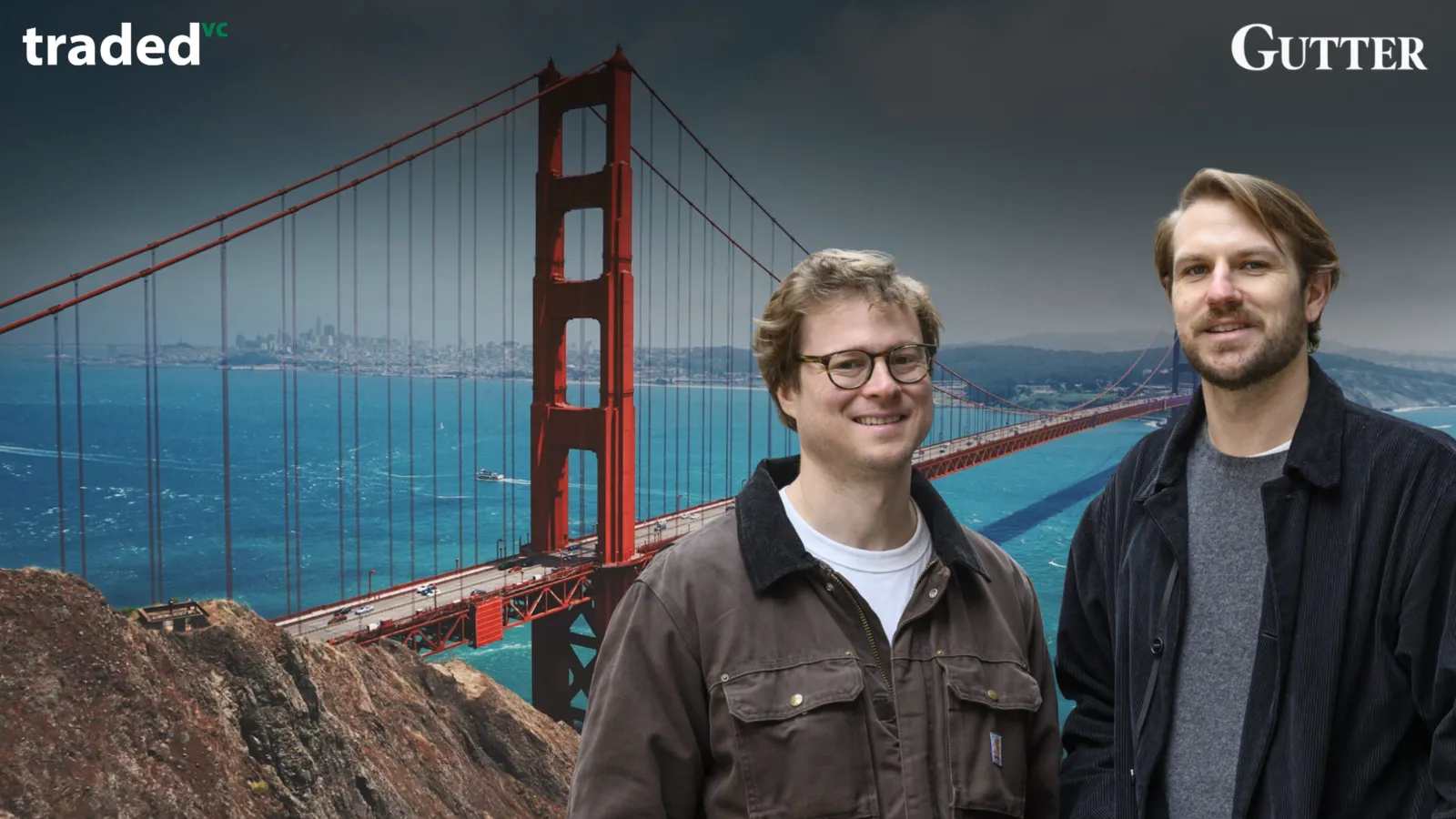
Gutter Capital is scaling a venture model built around concentration, founder support, and what Dan Teran calls "elbow grease." The New York-based early-stage firm has closed Fund III at $75 million and opened applications for the second cohort of Elbow Grease, its small-batch accelerator for early-stage founders. The new fund follows Gutter's $25 million Fund I and $44 million Fund II, marking a significant step up for a firm that has intentionally kept its portfolio small and hands-on.
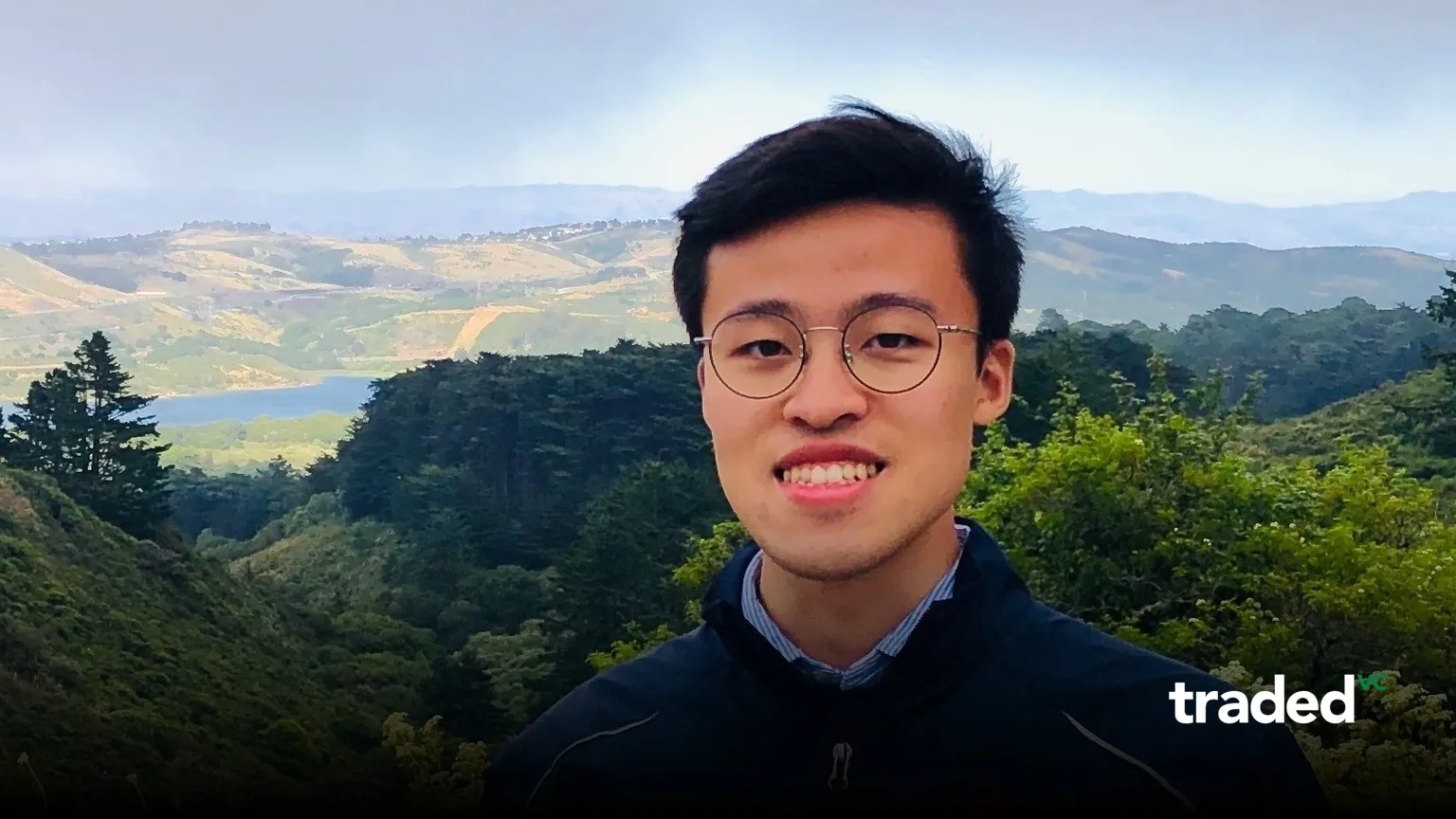
Gutter was founded by Dan Teran and James Gettinger after the pair made roughly 110 angel investments before raising outside capital. Teran previously founded Managed by Q, the workplace management platform acquired by WeWork in 2019, and earlier worked as a partner at New York venture studio Prehype. That operating background has shaped Gutter's approach.
Gutter has historically concentrated its capital into a smaller number of companies. Its first two funds each included roughly 14 core companies, compared with the roughly 40 companies typical for early-stage funds. That concentration allows Gutter to work more deeply with founders. Over the past four and a half years, the firm has helped hire more than 100 people across its portfolio. Teran noted that by the time a typical Gutter-backed company reaches a Series A, the firm has often helped recruit roughly two-thirds of the team.
Performance Behind the Larger Fund
Gutter's growth has been driven by early performance. According to Teran, Fund I is in the top decile of funds from its vintage, and Gutter-backed companies are graduating from Seed to Series A and from Series A to Series B at roughly twice the industry average. Those metrics helped give limited partners more confidence in the firm's concentrated strategy. Teran said foundations and university endowments that had been waiting for additional proof points are now growing with the firm.
Why Gutter Is Betting on New York
Teran has spent more than 15 years building companies in New York and believes the city is particularly well suited for the next phase of AI company creation. In his view, the current AI opportunity is not only about building large language models. It is about deploying them into real-world industries.
That makes New York uniquely valuable. The city offers proximity to customers across finance, advertising, media, fashion, art, real estate, and other major industries. It also has a much deeper technical talent pool than it did a decade ago, with companies such as Google, Amazon, and Meta building large engineering teams in the city. Teran also pointed to New York success stories such as MongoDB and Datadog as evidence that the city now has both the talent base and customer access required to build major technology companies.
Elbow Grease: A Different Kind of Accelerator
Gutter's accelerator, Elbow Grease, is designed around the same philosophy. The current program will select 10 to 15 teams, provide a $300,000 first-check investment, and run for 10 weeks at Gutter's headquarters in Chinatown, New York. Unlike accelerators that focus heavily on Demo Day and investor pitching, Elbow Grease is designed to help founders build.
Gutter works with companies on recruiting, product, customer development, go-to-market strategy, and fundraising only when it directly supports the business. Teran said many accelerator programs teach founders how to become attractive to investors, but that is not always the same thing as building a great company. Gutter's goal is to help companies hit meaningful milestones, then lead follow-on rounds when appropriate. Historically, Gutter has often been the only outside investor at both the pre-seed and seed stages before its companies graduate to Series A.
Each Elbow Grease company is paired with Gutter's partners alongside a mentor who has either raised through Series B or successfully exited a company. The program also features private sessions with accomplished founders, operators, and investors, including Kareem Amin (Clay), Gokul Rajaram, Neil Blumenthal (Warby Parker), Scott Belsky (A24), Claire Hughes Johnson (former COO of Stripe), Miguel McKelvey (WeWork), Satya Patel (Homebrew), and other members of Gutter's operating network.
Cohort 2 will run from September 15 through November 19, 2026, in New York City, with applications open through July 31, 2026.
What Gutter Looks for in Founders
After screening thousands of founders, Teran believes the most important factor in early-stage investing is still the founder. Markets can change. Products can pivot. Business models can evolve. But at the pre-seed and seed stage, the founder is the constant.
Gutter evaluates founders for unusual drive, a genuine connection to the problem they are solving, magnetism, integrity, and the ability to attract talent and capital. The firm is also open to nontraditional founder backgrounds. Teran said that in a world where software is easier to build, deep customer understanding can matter just as much as technical pedigree. Gutter has been willing to help recruit CTOs or technical co-founders when it believes a founder has a unique insight into a market.
First-Time Founders May Be Undervalued
Teran also pushed back on the premium many investors place on repeat founders. He argued that today's venture market has become highly consensus-driven, with a large share of capital flowing to a small number of funds and a small number of obvious AI opportunities. In that environment, investors often pay significant premiums for second-time founders. Teran, himself a second-time founder, does not believe that always makes sense. Gutter is willing to back first-time founders when they demonstrate exceptional insight, drive, and execution.
Operational Excellence Wins
Across Gutter's portfolio, Teran has seen a consistent pattern among the strongest companies: disciplined execution. The best founders set clear goals, assign clear ownership, report progress honestly, and incorporate lessons from failures into the next operating cycle. They learn faster because they run the company with accountability.
Talent is another major differentiator. Teran said the founder is the most important part of an early-stage company, but the next five employees may be the second most important. That is why recruiting is central to Gutter's model.
Portfolio Companies to Watch
Gutter has invested in approximately 36 companies across its core funds and the first Elbow Grease cohort, including 28 core positions across its first two funds and eight companies from the first Elbow Grease class. Teran highlighted several portfolio companies he believes are entering important inflection points:
- Rebuild, which builds AI tools for restoration contractors.
- Faraday, which builds AI tools for HVAC contractors' back-office operations.
- Roble, an AI-native services company focused on commercial real estate customers that Teran said has built a large, profitable business after raising only pre-seed capital.
These companies reflect Gutter's interest in vertical AI businesses serving specific industries with clear operational pain points.
AI Has Not Changed the Fundamentals
Despite the attention around AI, Teran believes the fundamentals of company building have not changed as much as many people think. AI allows companies to do more, but the core playbook remains the same: set clear objectives, design the organization around those goals, hire the right people, manage performance aggressively, and stay focused on customers. The tools are changing. The fundamentals are not.
Looking Ahead
For Gutter, success is not defined only by assets under management or the size of its newest fund. Teran said the firm's long-term goal is to help Gutter-backed companies become public companies.
"We're swinging for the fences. Our founders are too." — Dan Teran
For aspiring venture investors, Teran's advice is simple: become an operator first. He believes working at a startup or founding a company gives future investors credibility with founders and a deeper understanding of how companies are actually built.
With $75 million in new capital, a growing accelerator platform, and portfolio companies outperforming key venture benchmarks, Gutter Capital is betting that small-batch venture investing can scale without losing its hands-on edge.
ABOUT THIS STORY
- Desk
- Articles
- Filed
- Jun 25, 2026
- By
- Traded Media