

Apr 28, 2026
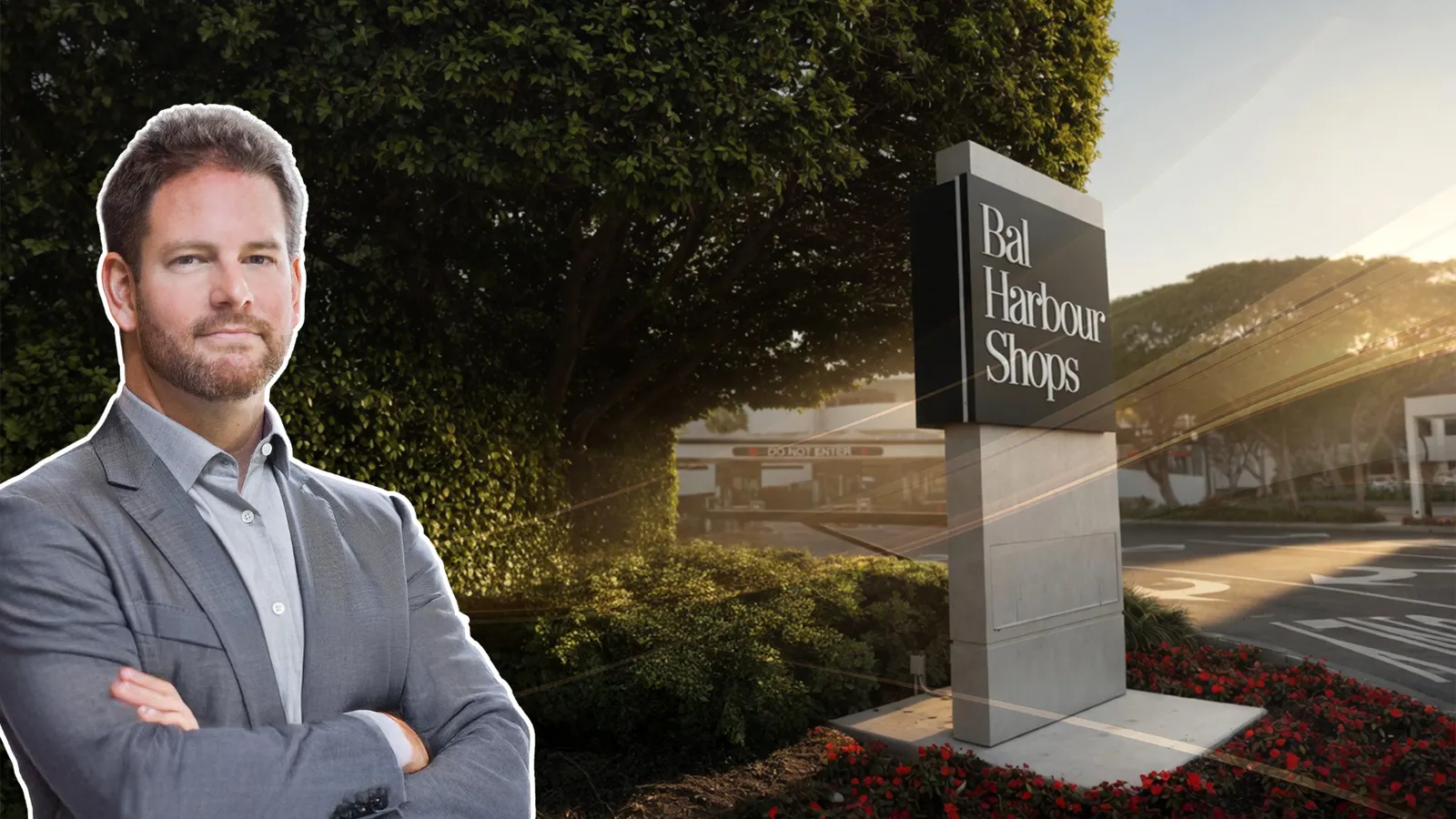
Whitman Family Development Faces Bal Harbour Rejection on Mall Expansion Plan
Traded Media

Traded Editorial
- Whitman Family Development blocked from moving forward on Bal Harbour Shops expansion
- Project reduced to 1 million square feet and 18 residential units, but still denied
- Dispute now heads to court, creating delays for a prime redevelopment site
Why Bal Harbour officials rejected the plan
Bal Harbour leaders voted to reject a proposed agreement tied to the expansion of Bal Harbour Shops, stopping a major redevelopment effort that included a hotel and residential units. The decision followed strong opposition from residents who argued the project would increase traffic and change the character of the area. Even after revisions, officials sided with the community, showing how difficult approvals can be in high-income coastal markets. This outcome highlights how local resistance can override even scaled-down development plans.
What the revised project included
The original proposal was much larger, with about 2 million square feet and 200 housing units. Developers later reduced the plan to about 1 million square feet and only 18 units. Despite these cuts, concerns remained about density and long-term impact. The site, located near Collins Avenue, is one of the most valuable retail areas in South Florida, making it a high-stakes project for both developers and investors.
What this means for state housing law
Developers pointed to Florida’s Live Local Act as support for the project, arguing it limits the ability of local governments to block housing-related developments. State officials, including James Uthmeier, have supported that view. However, Bal Harbour officials argued the law should not override local decision-making. This conflict sets up a legal battle that could shape how the law is applied in future projects across the state.
What happens next for the development
With the agreement rejected, the process will now move into litigation. This adds uncertainty and delays to a project that already faced challenges. Developers did not attend the latest meeting, signaling that negotiations may be over and the next phase will be decided in court.
What this means for investors and landlords
This situation shows that entitlement risk remains a major factor, even in top-tier locations. Strong market fundamentals alone are not enough to guarantee project approval. For investors, it is a reminder to factor in legal and political risk when underwriting deals. For landlords, it shows the importance of aligning projects with local priorities early in the process. Bal Harbour remains a highly desirable market, but this case proves that development timelines can quickly shift when community opposition is strong.