

Apr 23, 2025
NYC’s Sidewalk Shed Shake-Up: What Landlords and Developers Need to Know in 2025

Traded Editorial
By R&E's Charles R. Pierce
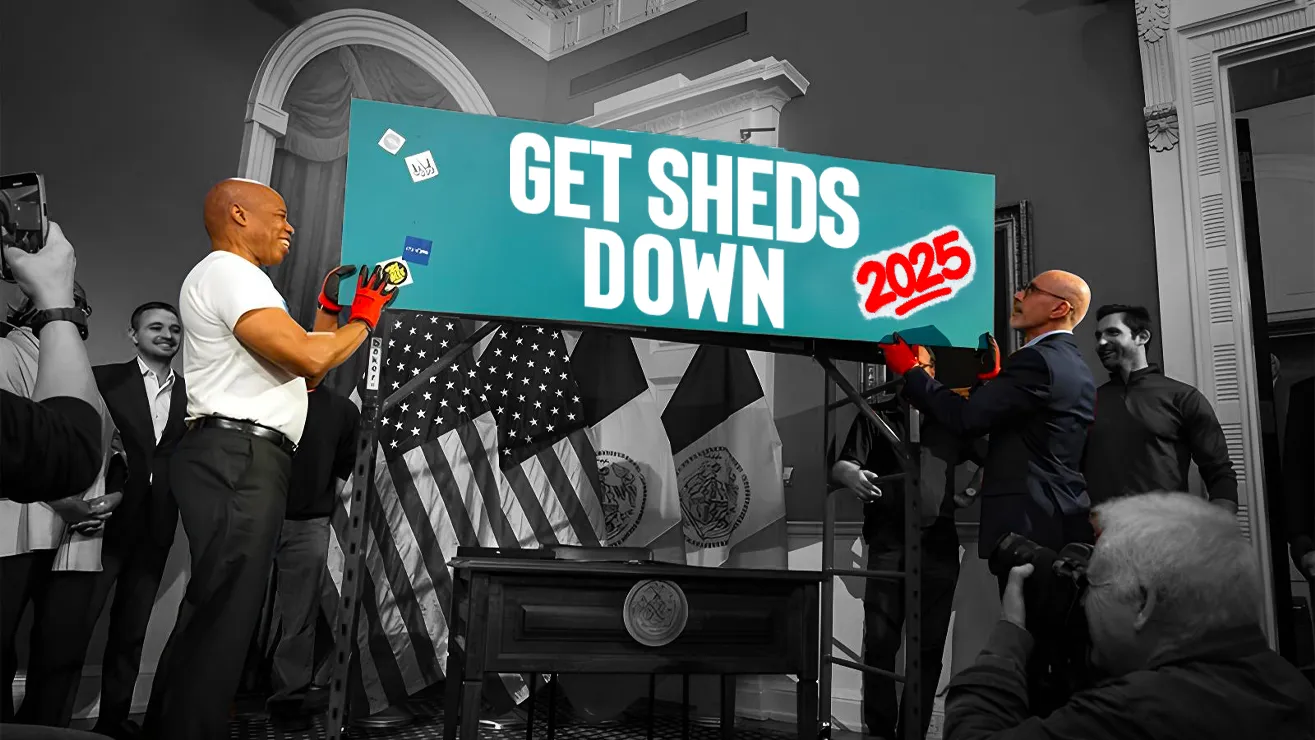
New York City is finally taking a scalpel to its aging and often unsightly sidewalk shed system. With over 8,400 active sidewalk sheds, some standing for more than five years, new legislation passed by the New York City Council is poised to significantly reduce shed duration, introduce penalties for delays, and enhance shed aesthetics and safety.
For building owners, developers, design professionals, and legal teams, this means a fast-approaching shift in compliance, scheduling, and budgeting. Here's what the new laws say—and how they’ll impact your next project.
What We’re Serving Up
Here’s a quick look at the key reforms heading your way:
- Shed Lifespan Slashed: Permits for façade repairs drop from 1 year to 3 months.
- New Penalties for Prolonged Sheds: Fines reach up to $6,000/month per shed.
- LED Lighting & Design Updates: Brighter, safer, and more community-friendly sheds.
- FISP Frequency Changes: Inspections may shift from every 5 years to as long as every 12 years.
- Design Overhaul Study: Expect new shed design standards—including alternatives like containment netting—by late 2025.
1. Shed Duration Reform: Introduction No. 393-A
What Changed:
Sidewalk shed permits for façade repair projects will be cut from 12 months to just 3 months, forcing building owners to move faster. The rule does not apply to new construction, demolitions, or building alterations.
Enforcement:
Starting with the second permit renewal, DOB will issue fines based on how long the shed stays up without active work:
-
$10/linear foot/month for idle sheds
-
$100/linear foot/month if shed exceeds 3 years
-
$200/linear foot/month, capped at $6,000/month, if shed exceeds 4 years
Why It Matters:
This is a direct response to the backlog of long-term sheds across the city—334 sheds have been up for 5+ years. Owners must now proactively plan, permit, and execute repairs quickly or face substantial fines.
2. Safer, Brighter, Better: Introduction No. 666-A & 391-A
What Changed:
Aesthetic and safety upgrades are coming for all sheds:
-
Double the lighting requirements, with a shift to LEDs
-
New directional lighting rules to prevent “light trespass” into residential units
-
Minimum shed height increased to 12 feet
-
Coordinated fence and shed colors for a cleaner look
-
Design alternatives (like containment netting) under review by DOB, with a full report due by Sept 30, 2025
Why It Matters:
While this improves public perception and pedestrian safety, developers and architects must now factor design compliance and material selection into their timelines and budgets.
3. Delay Penalties: Introduction No. 661-A
What Changed:
New penalties target project inertia, particularly for façade work:
-
No construction documents within 5 months? Penalty.
-
No filed permits within 8 months? Penalty.
-
Façade repairs not completed in 2 years? Bigger penalty.
Why It Matters:
These rules add another layer of urgency—and legal exposure—to managing repair schedules and permit filings. Project teams need tighter coordination and early neighbor access to avoid delays.
4. FISP Gets a Timeline Makeover: Introduction No. 394-A
What Changed:
The once-every-5-years Façade Inspection and Safety Program (FISP) is getting a reset.
DOB is now required to study and recommend a new FISP schedule by December 31, 2025, with a future interval of 6 to 12 years. Also, initial inspections for new buildings now begin in year 8, not year 5.
Why It Matters:
Longer cycles could reduce inspection costs and help owners better align façade work with capital plans—but expect stricter initial enforcement and recordkeeping requirements.
Market Impact 📈
This legislative package signals a cultural shift in NYC real estate: a move away from scaffold limbo and toward faster project timelines, community-conscious design, and greater DOB enforcement.
Opportunities
-
Streamlined façade maintenance timelines may reduce long-term overhead.
-
New designs and materials could improve branding and curb appeal.
-
Longer FISP intervals = fewer inspections, less disruption.
Challenges
-
Stricter penalties will stress coordination between owners, architects, and contractors.
-
Legal teams must closely monitor permit timelines to avoid fines.
-
Delays in access agreements or neighbor disputes could now carry greater financial risk.
By the Numbers
- 8,400+ sidewalk sheds: Currently active across NYC (NYC Council, 2024)
- 334 sheds: In place for 5+ years
- $6,000/month: Max penalty for long-term shed violations
- 12 feet: New minimum shed height
- 2 years: Max duration to complete façade repairs before fines kick in
- Up to 12 years: Proposed new max interval for FISP inspections
Conclusion: Get Ahead of the Scaffolding Reform Curve
New York’s sidewalk shed overhaul is more than a cosmetic fix—it’s a regulatory reboot with real costs and consequences. While the new rules offer design flexibility and potentially fewer inspections, they also impose stricter deadlines and aggressive penalties.
To stay ahead, building owners and developers should act now:
-
Audit current shed permits and façade timelines
-
Prepare for faster project scheduling
-
Coordinate early with legal counsel to secure access and avoid DOB fines
Need help navigating these changes?
Rosenberg & Estis is here to advise on compliance, timeline management, and legal strategies that protect your projects—and your bottom line.

