

Feb 14, 2026
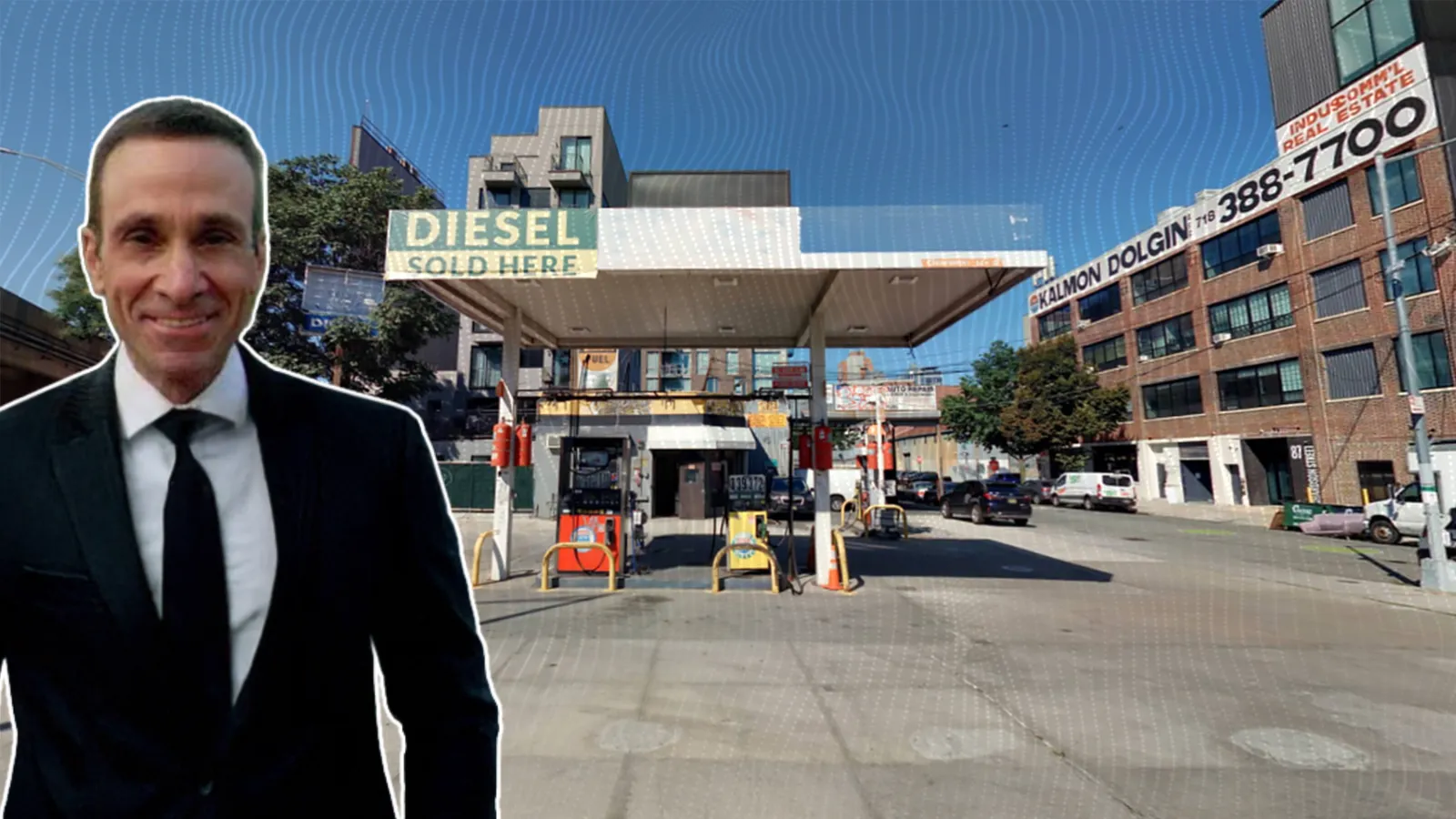
Halberstam Plans 45 Unit Rental Project on Former Williamsburg Gas Station Site
Traded Media

Traded Editorial
Key Points:
- Brooklyn developer Halberstam plans a 45-unit rental building on two Williamsburg industrial parcels.
- The project will replace a former gas station and U-Haul site totaling roughly 7,875 square feet.
- The deal underscores continued investor appetite for industrial to residential conversions in North Brooklyn.
A Brooklyn developer is moving to redevelop two small industrial properties in Williamsburg into a new 45-unit residential building. Halberstam confirmed plans to transform the Leonard Street and Richardson Street sites, currently occupied by a U-Haul neighborhood dealer and a former gas station, into rental housing. While no construction permits have been filed yet, the parcels are already zoned to allow residential development alongside light manufacturing and commercial uses.
The Site
The Leonard Street lot measures about 5,000 square feet, while the adjacent Richardson Street parcel spans approximately 2,875 square feet. Combined, the roughly 7,875 square feet footprint provides a compact but viable development opportunity in one of Brooklyn’s most supply-constrained submarkets. The seller of the properties is Dimitri Shtaerman, who acquired the sites in 2019 through an entity called Leonard and Richardson Street. Pricing for the transaction has not been disclosed.
Williamsburg Conversion Trend
The project reflects an ongoing pattern in Williamsburg, where developers continue converting former industrial and automotive sites into multifamily housing. As manufacturing uses decline and zoning permits residential density, these repositioning plays have become a staple investment strategy. Halberstam has been particularly active in the neighborhood. He recently sold two four-story rental buildings on Leonard Street for $14.2 million and filed plans for a separate nine-story, 56-unit project at 62 N. First Street. His broader portfolio includes a 73-unit tower near the Manhattan Bridge and a seven-story, 20-unit rental building that opened in 2023.
Investor Takeaway
For multifamily investors, this deal highlights sustained confidence in Williamsburg despite rising land and construction costs. Smaller infill sites remain attractive due to limited available land and consistent renter demand tied to proximity to Manhattan and the waterfront. Industrial conversions continue to offer one of the clearest paths to adding new rental inventory in North Brooklyn. As long as zoning allows residential overlays, expect more gas stations, warehouses, and light industrial parcels to transition into housing. The pipeline may be incremental, but the strategy remains consistent. Reposition underutilized land into rental housing in supply-constrained neighborhoods with strong pricing power.