

May 14, 2026
Building the Future of Miami: Ricardo Dunin on Hospitality, Innovation, and the Rise of North Development
Traded Media

Traded Editorial
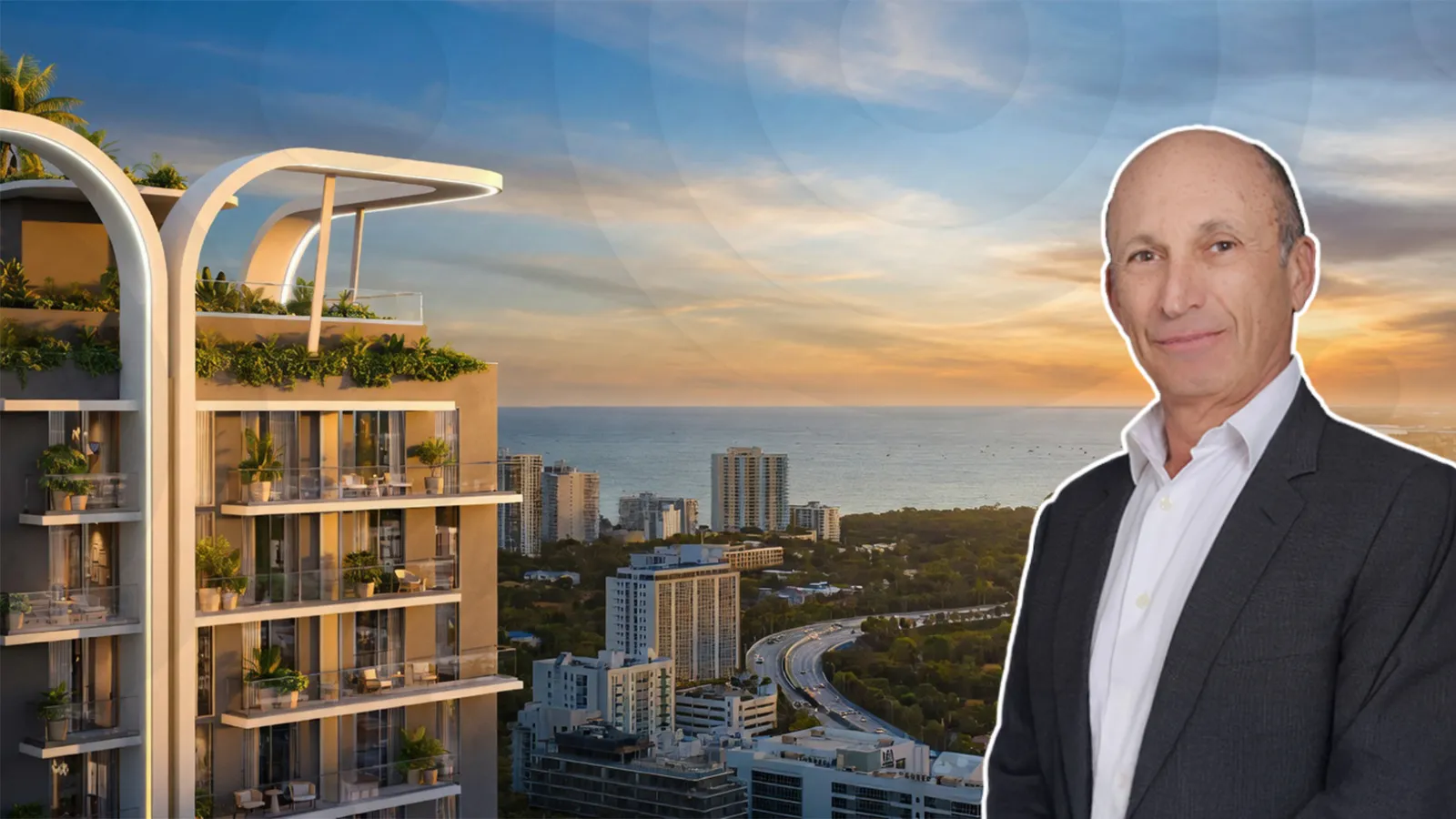
Miami has reinvented itself more than once, and Ricardo Dunin has been there through much of that transformation. With more than three decades in the market, he has helped guide the city from an emerging destination into one of the most dynamic real estate ecosystems in the world. Now, with North Development, he is setting out to redefine modern residential development by merging hospitality, investment strategy, and brand-driven experiences.
Dunin has helped shape Miami’s built environment through multiple cycles, concepts, and partnerships. But for him, the next chapter is less about scale alone and more about precision, building smarter, more efficient, and more experiential products that respond to how people actually live today.
A Partnership Built for Scale
North Development was formed through a collaboration between Dunin, Oak Capital, and Edifica, a partnership he describes as “a match made in heaven.” Each group brings a distinct strength to the table, spanning production, sales, branding, and hospitality. He describes the partnership as one where “one plus one gave five,” pointing to the outsized impact of combining complementary strengths.
The idea was never to create a one off venture. From the outset, the goal was to establish a long term brand with credibility and consistency. Even the name reflects that intention, rooted in the partnership’s Peruvian origins, expanding north into the U.S., while also signaling upward movement, direction, growth, and long term momentum as the company continues to scale.
That clarity of vision has translated into rapid growth. In just a few years, North Development has already moved into multiple projects, with nearly 2,000 units underway and additional sites in the pipeline. The ambition is clear: build at scale without compromising the integrity of the product.
Hospitality First, Investment Second
At the core of Dunin’s philosophy is a simple but often overlooked principle: prioritize the end user. “We’re hospitality first,” he explains. “The most important client is the guest.”
Dunin’s “hotel first” approach extends beyond design into how each asset is positioned and operated. Sites are selected based on proven hotel fundamentals like occupancy and average daily rates, with early projects concentrated in Brickell, given its consistently strong performance. Unit mixes mirror traditional hospitality formats, studios, one-bedroom, and two-bedroom suites, allowing the product to function efficiently as a hotel from day one. Rather than layering in aspirational amenities aimed at long term residents, the focus remains on essential, high-performing hotel features and durable, commercial-grade finishes that support long-term operations.
This mindset informs every decision, from design to operations. Buyers, he notes, are ultimately either users or investors renting to users. If the guest experience is exceptional, financial performance naturally follows. “If we can be successful on the hospitality side, we will achieve all the objectives for everybody.”
This approach also leads to unconventional choices.
Crucially, North Development treats closing not as an endpoint but as the beginning of operations. An in-house management arm, North Management, oversees short-term rentals with hotel-level standards, ensuring consistency, 24 7 service, and brand integrity across properties. By centralizing operations, the company addresses one of the biggest gaps in the home-sharing market: inconsistent quality.
Rather than investing in purely aspirational amenities, North Development focuses on efficiency and usability. In one example, Dunin points to valet-only parking with no dedicated owner spaces, a move that reduces construction costs while maintaining a seamless guest experience. The savings, he adds, are passed directly to buyers.
The goal is to align pricing with institutional benchmarks. “We want to produce a key at the same price that a hotel investor would pay for the entire building,” he says, pointing to a roughly $600,000 per key benchmark in Brickell.
Reinventing the Condo Hotel Model
Technology and distribution are central to this evolution. By integrating with over 100 booking platforms, including major global hotel channels, Domus is positioned to compete directly with established hospitality brands while driving higher occupancy and revenue potential for owners. A proprietary app streamlines the guest experience, from booking and check-in to service requests, while multilingual support and AI-driven systems enhance accessibility and efficiency.
Perhaps the most ambitious aspect of North Development’s strategy is its evolution of the condo hotel concept, what Dunin calls “Condo Hotel 3.0.”
Having participated in earlier iterations of the model, he sees the current version as a significant leap forward. The first generation, often found in ski resorts, allowed owners to rent out individually furnished units. The second, which Dunin helped popularize in Miami, introduced standardized units and centralized management.
The third iteration, however, is something entirely different. “It’s more sophisticated, more efficient, and built for today,” he says. “We believe we’re creating the Uber of this product type.”
Central to this model is activation
Operationally, the model is structured to reduce risk and cost for owners. Services such as valet, housekeeping, wellness, and food and beverage are delivered through best-in-class third-party partners, with costs primarily borne through guest usage rather than HOA burdens. North Management maintains oversight through strict quality control, ensuring partners meet brand standards and can be replaced if necessary.
turning traditionally passive spaces into dynamic environments. Lobbies become social hubs, blending coffee concepts, bars, and curated programming. Strategic partnerships with best-in-class operators further elevate the experience, creating reasons not just to stay, but to return.
“We want to create something that hits a tipping point,” Dunin explains, referencing Malcolm Gladwell’s theory of how ideas spread. “It’s about all the small details coming together to create something that catches fire.”
The Power of Brand and Trust
For Dunin, long-term success hinges on one critical factor: trust. “People should trust what we say, what we do, and the product we deliver,” he emphasizes.
That trust is built through consistency and execution. Delivering projects ahead of schedule, exceeding expectations, and ensuring that reality outperforms renderings are all part of the equation. But equally important is the development of strong, recognizable brands.
Under North Development, concepts like Domus and House of Wellness are designed to stand on their own, each with clearly defined standards and experiences. “If people know what a brand represents and they trust it, everything becomes easier,” Dunin says.
Attention to detail plays a central role in this strategy. From high-quality linens to thoughtfully designed in-unit amenities, every element is curated to meet or exceed the expectations of modern travelers. “What you get should be equal to or better than what you have at home.”
Wellness as the Next Frontier
While hospitality remains a cornerstone, North Development is also leaning into one of the most significant cultural shifts in real estate: wellness.
Its House of Wellness concept aims to democratize access to health-focused living. “Wellness has been restricted to wealthy people for too long,” Dunin says. “We want to make it accessible.”
The model goes beyond traditional amenities like gyms and spas. Residents receive personalized wellness assessments, access to trainers and nutritionists, and even technology-driven tools to track and improve their health. Community building is also central, with programming designed to foster social interaction, an often overlooked component of well-being.
“I say it’s a building that cares,” Dunin explains. “We want to create a real sense of community.”
This focus reflects broader societal trends, as residents increasingly prioritize health, connection, and experience within their living environments.
Miami’s Unstoppable Momentum
Dunin’s confidence in Miami’s future is unequivocal. “Miami is unstoppable,” he says.
Having witnessed the city’s transformation firsthand, he points to its evolution from a lifestyle destination with limited cultural infrastructure to a global hub of business, art, and innovation. Today, Miami’s diversity remains one of its greatest strengths, a blend of international influences that continues to shape its identity.
“It’s a snowball effect,” he says. “Everybody is looking. Everybody is moving here.”
For developers like Dunin, that momentum presents both opportunity and responsibility. The challenge is not just to build more, but to build better, to create products that are adaptable, efficient, and aligned with how people live today.
Looking Ahead
As North Development continues to expand, Dunin remains focused on balancing growth with quality. Partnerships, he believes, are key to that equation. “When they work, they’re amazing,” he says. “And this is one of those cases.”
With a clear vision, a strong team, and a willingness to challenge conventional models, North Development is positioning itself at the forefront of Miami’s next wave. And if Dunin’s track record is any indication, the company’s influence may extend far beyond South Florida.
“We’re creating something new,” he says. “And eventually, others will follow.”